Leave Your Message
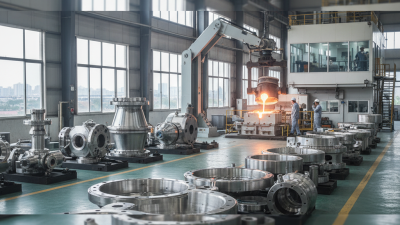
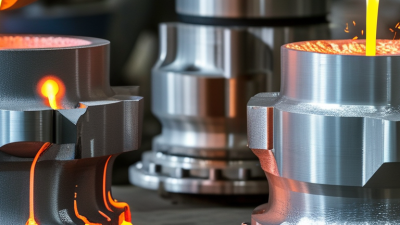
Stainless steel components often look simple after finishing. Their reliability is decided much earlier, inside the mold. In 2026, manufacturers serving demanding industries must control alloy chemistry, shell preparation, pouring temperature, and inspection with equal care. Stainless Steel Investment Casting can produce intricate shapes, thin sections, and repeatable dimensions. Yet the process is not magic. A small change in gating or cooling can leave porosity, distortion, or a rough surface that adds costly rework.
Metallurgist John Campbell has emphasized a central principle: “The quality of a casting is determined by the quality of the liquid metal.” That idea remains useful when comparing suppliers. Buyers should examine material traceability, process documentation, testing capability, and experience with the required stainless grades. Ask how a manufacturer manages critical features, not only its maximum casting size. Request evidence, such as inspection reports and representative part histories.
The shortlist matters. But so does the conversation behind it. A capable supplier should explain trade-offs plainly, including where tolerances may require machining or redesign. This guide to the 2026 Top Stainless Steel Investment Casting Manufacturers highlights companies worth evaluating, while recognizing that no ranking can replace a project-specific audit. Some details are easy to miss. I would look closely at communication and corrective-action records, too; published capabilities alone can make every foundry appear equally dependable.
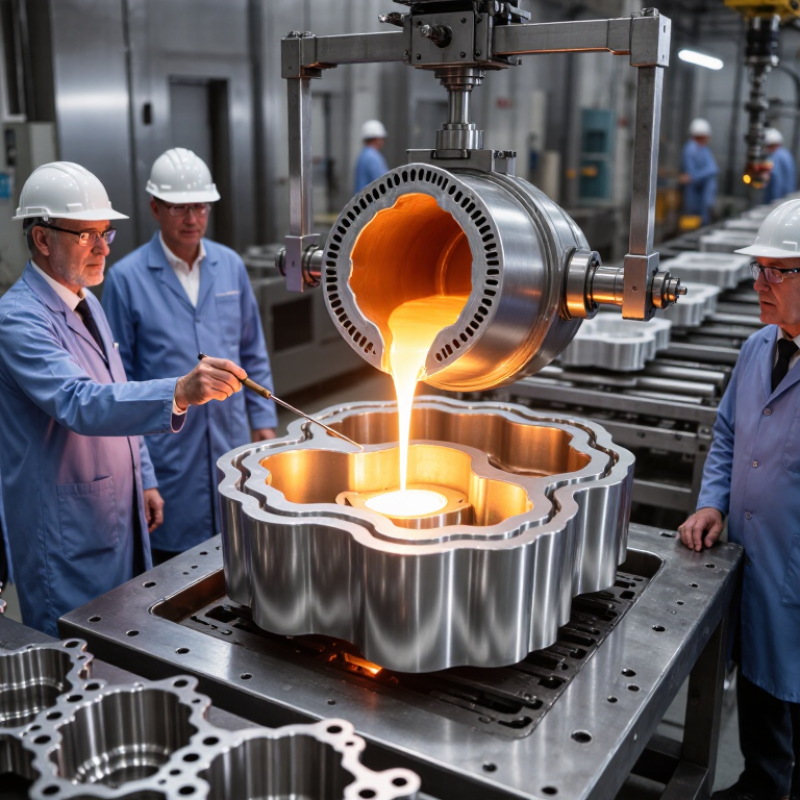
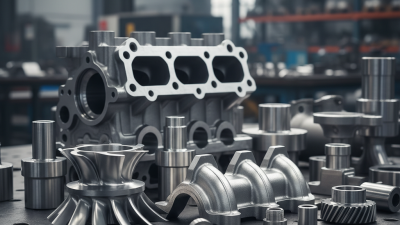
Stainless steel investment casting manufacturers produce near-net-shape metal parts from wax patterns and ceramic molds. Common outputs include pump housings, valve bodies, impellers, marine fittings, food-processing components, and compact turbine parts. These designs can include curved passages, thin ribs, and mounting lugs that would be difficult to machine from solid stock. Small details matter.
Alloy selection depends on the part’s environment and duty. ASTM A743/A743M covers corrosion-resistant iron-chromium and iron-chromium-nickel alloy castings for general applications; ASTM A351 addresses pressure-containing austenitic steel castings. These specifications help define material requirements, but they do not replace project-specific checks for pressure, temperature, corrosion, or weldability. A polished surface alone proves little.
The International Stainless Steel Forum reported 58.4 million tonnes of global stainless steel melt-shop production in 2023, in its 2024 production report. This figure describes the wider stainless steel supply, not investment-cast output specifically. Manufacturers typically deliver castings with inspection records, heat treatment, and optional machining or surface finishing. The final scope varies. A casting may arrive ready to install, or still need critical bores and sealing faces machined to drawing tolerances. That distinction is easy to overlook when comparing quotations.
| Product family | Typical cast components | Common stainless cast alloys | Useful characteristics | Typical finishing and inspection | Common applications |
|---|---|---|---|---|---|
| Fluid-handling components | Pump casings, impellers, valve bodies, valve discs and fittings | CF8 (similar in composition to 304), CF8M (similar to 316), CF3 and CF3M | Corrosion resistance; complex internal passages can be formed using ceramic cores where appropriate | Gate removal, machining of sealing faces, pressure testing and dimensional inspection as specified | Water systems, chemical processing, marine equipment and general industrial service |
| Food, beverage and sanitary hardware | Housings, clamps, connectors, spray components and custom fittings | CF8, CF8M, CF3 and CF3M | Corrosion-resistant surfaces and the ability to produce detailed shapes; alloy choice depends on the operating environment | Machining, polishing or passivation when specified; visual and dimensional checks | Food-processing machinery, beverage equipment and sanitary process lines |
| Marine and corrosion-resistant hardware | Deck fittings, brackets, couplings, impellers and equipment housings | CF8M and, for suitable specifications, duplex grades such as CD3MN | Resistance to many corrosive environments; duplex grades combine austenitic-ferritic structure with higher strength than common austenitic cast grades | Heat treatment where required, machining, material verification and specified nondestructive testing | Marine equipment, offshore systems and corrosive industrial service |
| High-strength and wear-related parts | Levers, shafts, locking components, gears and compact structural parts | 17-4 PH (cast grade commonly designated CB7Cu-1) and selected martensitic grades | Precipitation-hardening grades can achieve high strength after suitable heat treatment; properties depend on the specified condition | Solution treatment and aging as required, machining, hardness testing and dimensional inspection | Industrial machinery, tooling, energy equipment and structural mechanisms |
| Heat- and oxidation-resistant components | Burner parts, furnace fixtures, exhaust components and hot-gas hardware | Heat-resistant stainless cast grades selected for the service temperature and atmosphere | Designed for elevated-temperature service; performance varies with temperature, loading and exposure conditions | Heat treatment when specified, machining and checks against material and dimensional requirements | Furnaces, thermal processing, combustion equipment and industrial heating systems |
| Custom precision-shaped parts | Brackets, connectors, instrument housings and parts with ribs, bosses or curved profiles | Alloy chosen to meet the design’s corrosion, strength, temperature and fabrication requirements | The wax-pattern process can produce intricate near-net shapes and reduce machining for suitable designs | Gate removal, machining of critical features, surface finishing and dimensional verification | Machinery, instrumentation, transportation and custom industrial assemblies |
Note: This table describes common product categories and alloy examples, not a manufacturer ranking or a guarantee of capability. Available sizes, tolerances, surface finish, testing and certification depend on the part design, alloy specification and supplier.