Top 10 Precision Casting Components Buyers Must Consider?
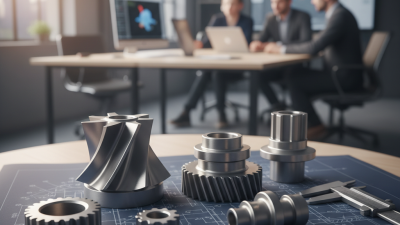
In the world of manufacturing, Precision Casting Components play a crucial role. Industry expert John Smith, a leading figure in casting technologies, emphasizes, "The accuracy of your components directly impacts the performance of your end product." This statement resonates deeply within sectors relying on precision engineering.
Selecting the right components is vital for quality and efficiency. Buyers must consider various factors including material selection, manufacturing techniques, and supplier reliability. Many companies overlook the significance of sourcing quality precision casting components. This oversight can lead to costly errors down the line.
Each component's precision can define the product's overall durability and functionality. It's not just about the casting process; attention to detail during design and application is imperative. The landscape of precision casting components is intricate, and decisions can seem overwhelming. Buyers must be diligent. Evaluating specific needs and potential risks is essential for success in this competitive field.
Essential Factors for Selecting Precision Casting Components
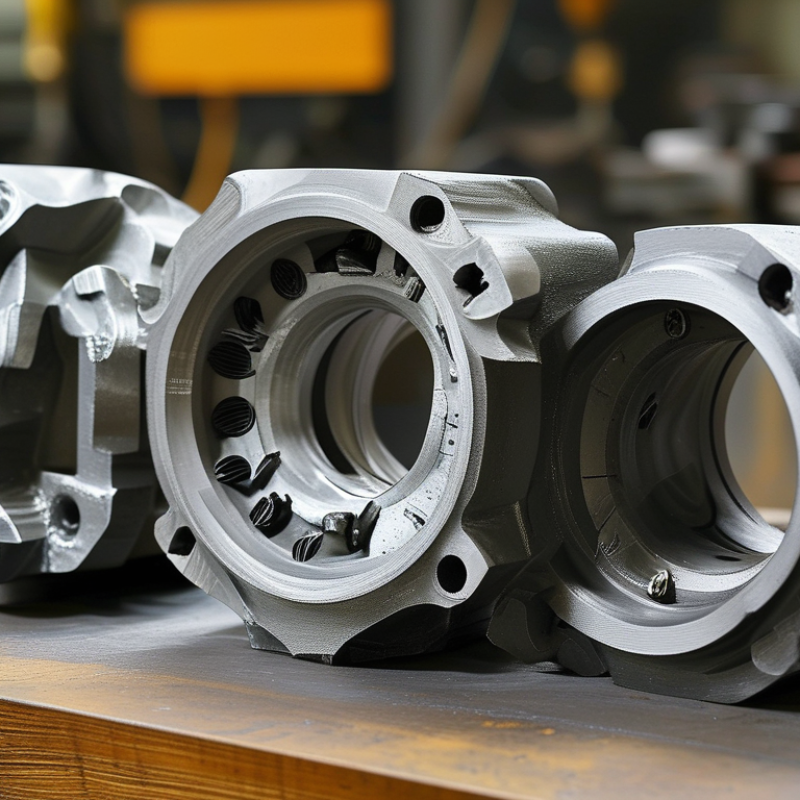
When selecting precision casting components, several essential factors should influence your decision-making process. Material selection is critical. Various metals offer distinct properties. For example, aluminum casts are lightweight yet strong, suitable for automotive parts. Steel, on the other hand, provides durability and is commonly used in industrial applications. A study by the Metal Casting Institute highlights that material choice can impact performance by up to 30%.
Dimensional accuracy is another key factor. Buyers often prefer components with tight tolerances to ensure proper fit. Achieving tolerances of ±0.005 inches is common in high-precision applications. This level of accuracy can significantly reduce assembly time and costs, improving overall efficiency. However, achieving such precision demands skilled labor and advanced manufacturing techniques.
Finally, consider the supplier's reputation. An experienced casting supplier can provide valuable insights into material behavior and production processes. According to a recent report by the American Foundry Society, suppliers with over 10 years of experience have a proven track record of meeting stringent quality standards. This reliability can ultimately lead to better product performance and longevity. Engaging with suppliers who focus on continuous improvement can also enhance your production outcomes.
Understanding Different Types of Precision Casting Processes
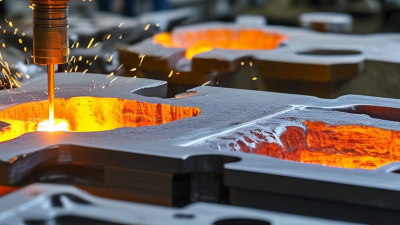
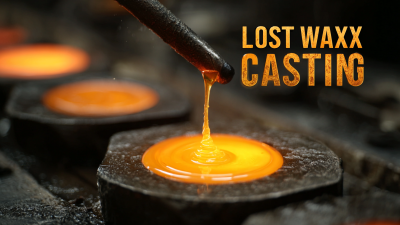
Precision casting processes play a critical role in manufacturing high-quality components. Different methods cater to diverse industry needs. Lost-wax casting is a popular option. It enables intricate designs with smooth finishes. The process involves creating a wax model and encasing it in a ceramic shell. Once heated, the wax melts away, leaving a detailed mold.
Another method is shell molding. It employs sand and resin to create thin-walled molds. This technique is efficient for mass production. However, it may have limitations in producing very complex parts. Gravity die casting is efficient too. It uses gravity to fill molds, ensuring consistent quality. Understanding these processes helps buyers select the right method for their applications.
Buyers often overlook the importance of material selection. Different alloys yield distinct properties. For example, aluminum alloys are lightweight and corrosion-resistant. Yet, they may lack strength compared to steel. Awareness of these traits influences component performance. Accurate specifications are crucial. Components must meet required tolerances. This ensures their reliability in final products, where precision is paramount.
Top 10 Precision Casting Components Buyers Must Consider
| Component Type |
Precision Casting Process |
Material Used |
Typical Applications |
Key Benefits |
| Valve Bodies |
Investment Casting |
Stainless Steel |
Oil and Gas, Water Supply |
High dimensional accuracy and surface finish |
| Engine Blocks |
Sand Casting |
Cast Iron |
Automotive |
Cost-effective and good for large volumes |
| Pump Housings |
Die Casting |
Aluminum |
Industrial Pumps |
High production rates and lightweight |
| Gearboxes |
Centrifugal Casting |
Bronze |
Automotive, Machinery |
Excellent wear resistance and strength |
| Brackets |
Shell Molding |
Carbon Steel |
Transport and Infrastructure |
Good dimensional stability |
| Surgical Instruments |
Investment Casting |
Titanium |
Medical |
Corrosion resistant and biocompatible |
| Close Coupled Flanges |
Sand Casting |
Alloy Steel |
Pipelines |
Robust and durable |
| Automotive Frames |
Die Casting |
Magnesium |
Automotive |
Lightweight and high strength |
| Turbine Components |
Investment Casting |
Nickel Alloy |
Aerospace, Energy |
High temperature resistance and strength |
| Connecting Rods |
Centrifugal Casting |
Steel |
Automotive, Machinery |
High strength-to-weight ratio |
Key Material Considerations for Precision Casting Components
When considering precision casting components, material selection is crucial. The properties of various materials significantly impact the performance and reliability of the final product. Steel, for instance, is known for its strength and durability, making it suitable for high-load applications. Aluminum, on the other hand, is lightweight and offers excellent corrosion resistance, which can be vital for specific environments. Each material's thermal and mechanical behavior should be evaluated, as it directly influences the casting process and the integrity of the components.
One often overlooked aspect is the potential for defects during casting. Inconsistencies in material composition can lead to weaknesses in the final product. Buyers must question the sourcing procedures of their materials, as the quality can vary greatly. This level of scrutiny may seem tedious, yet it is essential to ensure that the components meet performance standards. Moreover, understanding the specific conditions under which a material will perform optimally is fundamental. For example, factors like temperature and humidity can alter the expected behaviors of certain alloys.
Assessing material specifications can sometimes feel overwhelming. However, this step is essential for creating reliable and effective precision casting components. The right choice can minimize maintenance costs and enhance safety. When in doubt, consulting with experts who have a deep understanding of material science can provide valuable insights. These discussions can illuminate nuances that might otherwise go unnoticed, improving the overall outcome of your precision casting needs.
Evaluating Supplier Capabilities and Quality Assurance Practices
When evaluating precision casting components suppliers, quality assurance practices play a critical role. According to industry reports, nearly 30% of manufacturing defects stem from inadequate supplier quality controls. Buyers must look for suppliers who utilize comprehensive inspection processes and certifications such as ISO 9001. These practices ensure components meet specified tolerances and performance standards.
Moreover, transparency in a supplier's manufacturing processes can significantly impact quality outcomes. A recent survey indicated that 76% of industry leaders prioritize suppliers who openly share their quality control metrics. This openness builds trust and allows for informed decisions. Understanding the specifics, such as the frequency of audits and the technology used in inspections, can provide valuable insights into a supplier's reliability.
Buyers also need to reflect on their expectations and communication. Misalignment in quality standards often leads to dissatisfaction. The dynamic nature of precision casting means continuous improvement is essential. Suppliers should demonstrate their commitment to evolving quality practices. Engaging in open dialogue about potential challenges can foster stronger partnerships and better product outcomes.
Cost Analysis: Budgeting for Precision Casting Components
When budgeting for precision casting components, cost analysis plays a crucial role. It involves more than just looking at the price tag. Each component's lifecycle costs should be assessed. This includes manufacturing, maintenance, and potential replacement expenses. Manufacturers often need to juggle quality and expenses. Cutting costs might lead to lower quality, which can impact performance and longevity.
Understanding various factors is essential for accurate budgeting. The material type significantly influences the final price. For instance, some alloys are more expensive but offer better durability. Labor costs also vary based on location and complexity. Evaluating supplier quotes comes next. It's vital to compare not just prices but also craftsmanship and reliability. Sometimes, the lowest bidder may not meet required standards.
Moreover, unforeseen expenses can arise during production. These may include tooling adjustments or redesign requirements. Assuming a straightforward process can be misleading. It's vital to reserve a contingency budget for these unpredictable factors. A comprehensive cost analysis will clarify needs and guide better decision-making in sourcing precision casting components.