What is Precision Casting Components and How to Source Them?
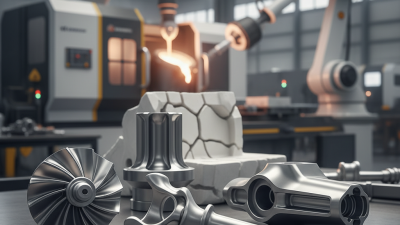
In today's manufacturing landscape, Precision Casting Components play a vital role in various industries. These components are designed to meet exact specifications, ensuring high levels of accuracy and performance. The process involves pouring molten metal into molds to create intricate shapes and designs, making it ideal for complex applications.
Sourcing these components can be challenging. It requires understanding the nuances of the casting process, material selection, and quality control. Each supplier may offer different capabilities, which can affect the final product's performance. This variability can be both a risk and an opportunity. Buyers must evaluate suppliers' experience and expertise to find the right fit.
Moreover, the quest for reliability in Precision Casting Components often encounters obstacles. Not all suppliers maintain the same standards. Therefore, a deep dive into their production techniques and historical performance data is essential. Careful consideration will lead to better choices in sourcing, ultimately enhancing product success.
Definition and Overview of Precision Casting Components
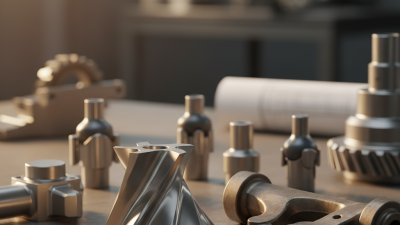
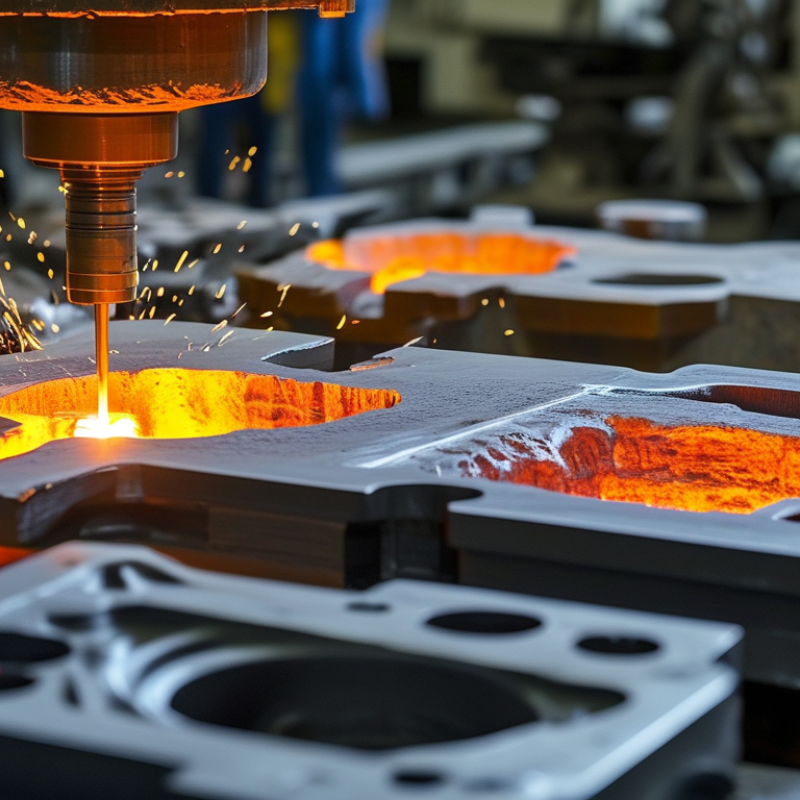
Precision casting components refer to products manufactured using a process that involves creating a mold for metal parts. This method offers high accuracy and intricate detail. It is particularly useful in industries such as automotive and aerospace, where precision is critical. This process can produce complex shapes with excellent surface finishes.
In the realm of precision casting, the materials used are essential. Common metals include aluminum, steel, and bronze. Each metal has unique properties that impact the final product's strength and durability. It's not just about the casting; the post-process finishing is just as important. Techniques like machining and polishing can significantly enhance the final outcome.
When sourcing precision casting components, it's vital to consider the supplier's expertise. Not all manufacturers provide the same quality. Evaluating their production capabilities, experience, and past projects can offer insights into their reliability. Additionally, communication is key in ensuring that the produced components meet specifications. Potential challenges may arise, from unexpected defects to delivery delays, requiring clear dialogue throughout the process.
Applications of Precision Casting in Various Industries
Precision casting plays a vital role in many industries. It offers intricate design capabilities and high dimensional accuracy. Recent reports estimate that the global precision casting market will reach $30 billion by 2025, growing at a CAGR of over 6%. This growth is driven by the automotive, aerospace, and medical sectors.
In the automotive industry, precision casting is crucial for manufacturing engine components. Lightweight materials reduce fuel consumption, aligning with environmental regulations. The aerospace sector utilizes precision casting for components that must withstand extreme conditions. Parts like turbine blades are often made using this technique for their strength and durability.
Tips: When sourcing precision casting components, consider the manufacturer’s track record. Look for industry certifications as indicators of reliability. Engagement with suppliers can provide insights into their capabilities and innovations.
The medical industry also benefits significantly from precision casting. Custom implants and surgical tools require exact specifications. Inadequate sourcing can lead to critical failures, emphasizing the need for careful selection. The precision casting process is not without challenges; variations in metal composition can affect outcomes. Regular testing and quality assurance measures are essential to ensure the efficacy of components.
Key Advantages of Using Precision Casting for Manufacturing
Precision casting is gaining traction in various manufacturing sectors due to its remarkable advantages. According to a recent study published by the Precision Metalforming Association, precision casting can reduce production time by up to 40%. This efficiency stems from its ability to produce complex shapes while maintaining tight tolerances. Components with intricate geometries can be created without extensive machining, which saves both time and costs.
Another key benefit is material conservation. The efficient design allows for minimal waste, which leads to a more sustainable production process. Industry reports indicate that precision casting can achieve up to 90% material utilization. This excellent yield is particularly relevant as industries face increasing pressure to adopt sustainable practices. The precision in the casting process not only enhances product quality but also contributes to environmental responsibility in manufacturing.
Despite these advantages, challenges remain. The initial setup costs for precision casting can be high. Companies must weigh these costs against long-term savings and efficiency gains. Additionally, the complexity of the process demands skilled labor to ensure the quality of output. Some manufacturers may find it difficult to balance precision with cost-effectiveness. These factors highlight the need for careful consideration when sourcing precision casting components.
Methods to Source Precision Casting Components Effectively
When sourcing precision casting components, consider various effective methods. Start by identifying suppliers with a strong track record. Experience matters. A trustworthy supplier knows the industry's nuances. They can deliver high-quality components consistently. This establishes a productive relationship.
Networking within industry circles is invaluable. Attend trade shows and conferences. Engage in discussions with professionals who share their insights. Genuine connections often lead to referrals and recommendations. You can gain direct access to reliable suppliers in this way.
**Tips:** Always request samples before making bulk orders. This ensures the components meet your specifications and quality standards. Do not neglect the importance of certifications. Verify that potential suppliers adhere to industry standards, which enhances reliability. Make informed decisions, but be prepared for challenges. Not all suppliers will meet expectations, so maintain a flexible approach while sourcing.
Precision Casting Components Sourcing Methods
Quality Control and Certification Standards for Precision Casting Products
Precision casting components are essential in various industries, from automotive to aerospace. Ensuring quality in these products requires stringent quality control and adherence to certification standards. Manufacturers should implement thorough inspection processes during production. This includes visual inspections and dimensional checks.
Certification standards play a pivotal role in guaranteeing product reliability. ISO 9001 is a commonly recognized standard in quality management systems. Compliance with such standards reflects a commitment to high-quality production. Additionally, companies often seek certifications specific to their industry, enhancing credibility.
However, achieving these certifications can be challenging. Some manufacturers may struggle with maintaining consistent quality. Changes in production processes or raw materials can result in deviations from quality standards. Continuous monitoring and feedback loops help address these issues. Companies must foster a culture of quality awareness among their teams to improve overall outcomes.
What is Precision Casting Components and How to Source Them? - Quality Control and Certification Standards for Precision Casting Products
| Component Type |
Material |
Weight Range (kg) |
Dimensional Tolerance (mm) |
Surface Finish |
Certification Standards |
| Pump Housing |
Aluminum Alloy |
5 - 20 |
±0.1 |
Smooth |
ISO 9001 |
| Engine Block |
Gray Iron |
15 - 50 |
±0.5 |
Rough |
ISO/TS 16949 |
| Flywheel |
Ductile Iron |
10 - 30 |
±0.3 |
Polished |
ASTM A536 |
| Valve Body |
Stainless Steel |
1 - 10 |
±0.2 |
Electropolished |
ASME B31.3 |
| Motor Housing |
Aluminum |
3 - 12 |
±0.1 |
Anodized |
ISO 14001 |