Top Reasons to Choose Casting With Copper for Your Projects?
In the world of metalworking, "Casting With Copper" stands out as a significant choice. Experts highlight its numerous benefits. According to Dr. Emily Carter, a leading metal casting expert, “Copper brings unparalleled durability and beauty to any project.” These qualities make it a go-to material for many applications.
The versatility of copper alloys allows for intricate designs and sturdy constructions. Artists and engineers alike appreciate its excellent thermal and electrical conductivity. This aspect is critical, especially in industries requiring high-performance materials. Yet, there are challenges to consider. Copper’s cost can be higher than other metals, which is important to factor into budgets.
Despite this, many find that the long-term value of "Casting With Copper" justifies the investment. It regularly outperforms cheaper alternatives in both function and aesthetics. This balance of quality and expense is key in decision-making. Copper casting can elevate a project from ordinary to extraordinary.
Benefits of Copper Casting in Industrial Applications
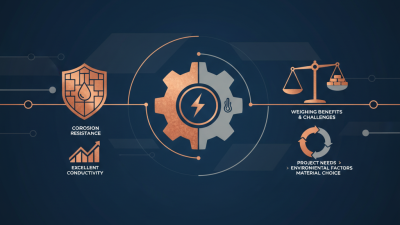
Copper casting has become a preferred method in many industrial applications due to its unique properties. One of the main benefits is its excellent thermal and electrical conductivity. This makes it ideal for components that require efficient heat dissipation or electrical performance. Industries like aerospace, automotive, and electronics consistently demand high performance. They often choose copper for its reliability.
Another advantage of copper casting is its corrosion resistance. Copper naturally forms a protective patina layer when exposed to air. This helps prolong the lifespan of products. Additionally, copper is easy to machine and can be formed into complex shapes. This versatility makes it valuable for customized industrial components.
However, using copper casting does come with challenges. The alloying process can sometimes lead to defects if not monitored closely. There can be inconsistencies in quality, which may impact performance. Moreover, the cost of raw copper can fluctuate, affecting project budgets. Therefore, it’s essential to weigh the benefits against potential drawbacks. Understanding these factors can lead to more informed decisions in material selection.
Comparative Analysis: Copper vs. Other Metals in Casting Processes
Copper is increasingly favored in casting processes due to its excellent properties. Compared to aluminum and steel, copper offers superior thermal and electrical conductivity. This makes it ideal for applications in electronics and automotive industries. The casting process for copper typically results in tighter tolerances, leading to better-fitting components.
However, casting with copper can pose challenges. The temperature required for copper casting is higher than for many other metals. This can increase energy costs and complicate the manufacturing process. Additionally, the risk of oxidation during casting can affect the quality of the final product, requiring careful handling.
When comparing copper with aluminum, one notable aspect is weight. Aluminum is lighter, making it more suitable for applications where weight is critical. Conversely, copper’s durability and resistance to corrosion add to its appeal in harsh environments. It’s essential to evaluate the specific requirements of your projects. Understanding the trade-offs can guide you in making informed decisions on material selection.
Top Reasons to Choose Casting With Copper for Your Projects
The Role of Copper's Thermal Conductivity in Enhanced Product Performance
Copper's thermal conductivity plays a crucial role in product performance. When casting with copper, the ability to transfer heat quickly becomes evident. This quality enhances efficiency in various applications, from cookware to electrical components. For instance, copper cookware heats evenly, reducing hot spots during cooking. This ensures that food is cooked to perfection.
In electronics, copper's thermal properties help dissipate heat effectively. Devices can operate at optimal temperatures, preventing overheating. This reliability is vital for maintaining performance and extending the lifespan of products. However, not all projects may benefit equally. Budget constraints can limit copper's use, which requires careful consideration.
While copper offers numerous advantages, there are challenges too. The cost of raw materials can be significant. Additionally, managing copper's corrosion over time requires diligent planning. Some projects might require alternative materials for specific environments. Each decision should balance performance needs with budget realities.
Top Reasons to Choose Casting With Copper for Your Projects
| Reason |
Description |
Benefits |
| High Thermal Conductivity |
Copper has superior thermal conductivity compared to other metals, making it ideal for applications requiring efficient heat transfer. |
Improved energy efficiency and reduced heating times in various applications. |
| Durability |
Copper is resistant to corrosion and wear, ensuring longevity in demanding environments. |
Lower maintenance costs and longer product life cycles. |
| Malleability |
Copper can be easily cast into complex shapes while maintaining structural integrity. |
Greater design flexibility, allowing for innovative product developments. |
| Recyclability |
Copper is 100% recyclable without loss of quality, making it an environmentally friendly option. |
Supports sustainability efforts and reduces raw material costs. |
| Thermal Expansion |
Copper's thermal expansion properties allow for expansion and contraction without compromising its applications. |
Prevents structural failures due to temperature fluctuations. |
Cost-effectiveness of Copper Casting: Long-Term Economic Advantages
When considering materials for your projects,
copper casting stands out for its cost-effectiveness. The initial investment may be higher than alternatives. However, the long-term economic advantages are significant. Copper has excellent durability and corrosion resistance, leading to reduced maintenance costs. Over time, these savings may outstrip initial expenses.
Tips: Always evaluate the specific needs of your project. Consider factors like environment and expected wear. This can help determine if copper truly fits your budget. Quality copper products can last decades, whereas cheaper options may require replacement sooner than expected.
Moreover, copper's thermal and electrical conductivity makes it the top choice for many applications. This can boost performance, translating to increased efficiency. But keep in mind, fluctuations in copper prices may affect overall costs. It's essential to stay informed about market trends to make the best decisions. Remember, investing in quality materials can lead to greater returns in the future.
Environmental Sustainability: Copper's Recyclability in Casting Projects
Using copper for casting projects presents significant environmental benefits. One of the most compelling reasons for this choice is copper's exceptional recyclability. Copper can be recycled multiple times without losing its quality or performance. This means that projects can contribute to a circular economy, reducing the demand for raw materials and minimizing environmental impact.
When planning your projects, consider sourcing recycled copper. This not only supports sustainability but also reduces costs. The energy required to recycle copper is significantly lower than producing new copper from ore. Such practices lead to reduced carbon emissions and resource depletion.
**Tips:** Always verify the source of your materials. Ensure they come from reputable suppliers. Energy efficiency should be a priority. Lower energy usage directly correlates with minimal environmental harm. Educate your team about copper's benefits. Knowledge fosters better decision-making in your projects.