Why Choose Casting With Copper for Your Industrial Needs?
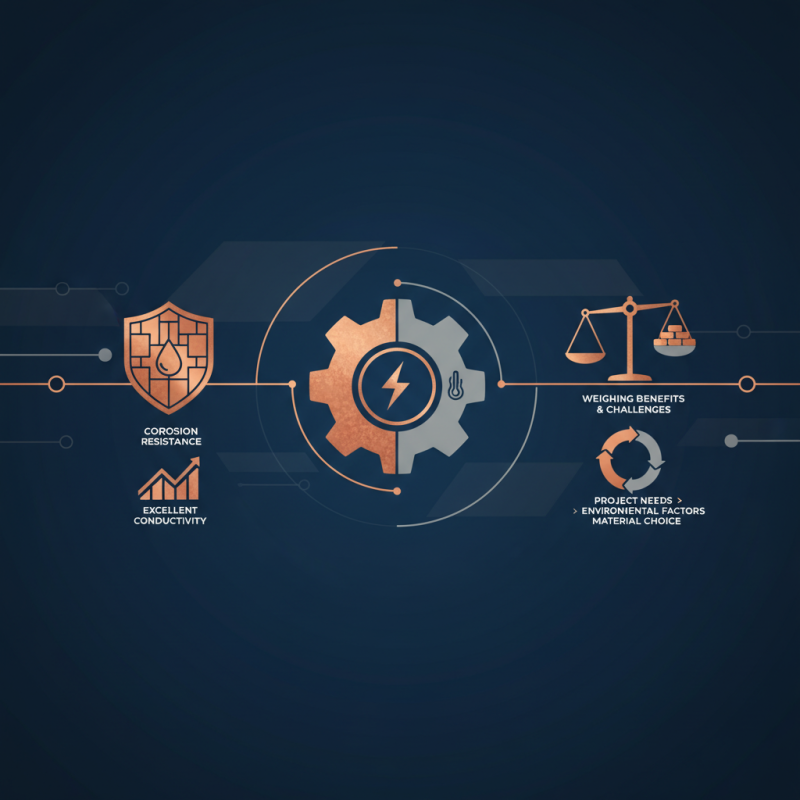
When considering materials for industrial applications, "Casting With Copper" stands out as a compelling choice. This alloy boasts excellent thermal and electrical conductivity, making it essential in various sectors. Its durability and resistance to corrosion are notable advantages, helping to reduce maintenance costs.
However, the decision to use copper requires careful consideration. While it provides exceptional performance, it may not be suitable for all environments. Understanding its limitations is vital for optimizing its use. In certain situations, alternatives may be preferred.
Ultimately, choosing copper for casting should be based on specific project needs and environmental factors. Weighing the benefits against potential challenges is crucial. The decision should reflect both expertise and a comprehensive understanding of available materials.
Benefits of Copper Casting in Industrial Applications
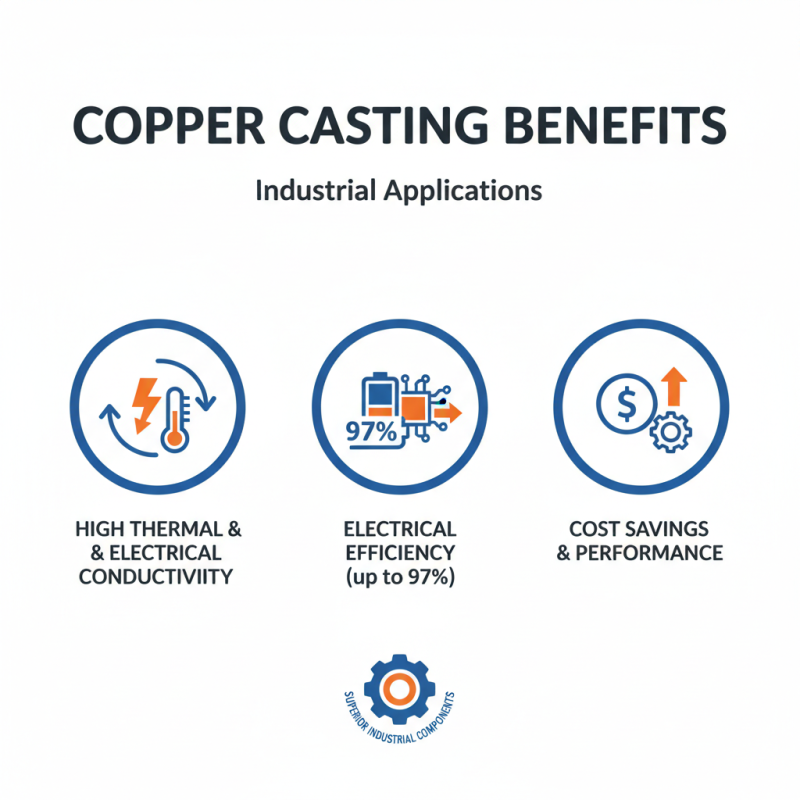
Copper casting stands out in industrial applications due to its exceptional properties. This metal offers high thermal and electrical conductivity, making it ideal for various components. According to industry research, copper's electrical conductivity reaches up to 97%, which is crucial for electrical applications. These properties allow for better energy efficiency in systems, resulting in cost savings for manufacturers.
Additionally, copper provides excellent corrosion resistance. Unlike many metals, it withstands harsh environments without deteriorating. A report from the Copper Development Association highlights that copper can last over 50 years in wet and saline conditions. This durability translates into lower maintenance costs and longer lifespans for industrial products.
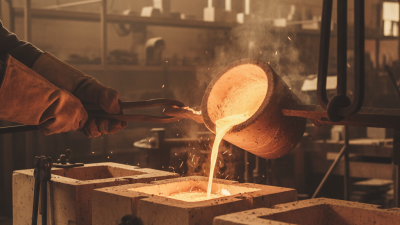
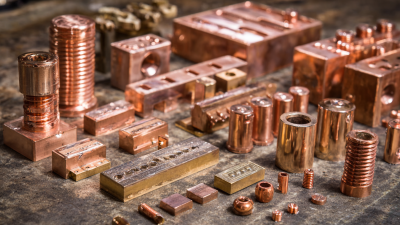
Furthermore, copper's versatility allows it to be easily cast into complex shapes. This capability supports innovative designs for machinery and equipment. However, manufacturers must remain aware of challenges. For instance, the casting process can be temperature-sensitive, affecting the final product's quality. Continuous monitoring and adjustment are essential for achieving the desired results. Utilizing copper casting can significantly enhance product performance and reliability, but it requires expertise to navigate potential pitfalls.
Properties of Copper That Enhance Performance in Casting
Copper is celebrated for its unique properties that significantly enhance performance in industrial casting. Its excellent thermal and electrical conductivity plays a pivotal role in the efficiency of cast components. When melted, copper flows smoothly, enabling the creation of intricate designs. This fluidity allows for a high degree of precision, essential in industries such as aerospace and automotive.
Another remarkable characteristic of copper is its corrosion resistance. Components made from copper maintain their integrity even when exposed to harsh environments. This durability can reduce maintenance costs over time. However, the casting process can sometimes lead to imperfections, requiring careful monitoring. Inexperienced operators may struggle with eliminating air pockets or achieving uniform thickness.
Moreover, copper's strength and malleability contribute to the longevity of cast parts. The metal can withstand significant stress without compromising its shape. Yet, it’s crucial to manage temperatures accurately during casting. Too high or too low can result in fractures or weak spots. Each casting project demands expertise to leverage copper's attributes fully while mitigating potential issues.
Comparison of Copper Casting to Other Materials
When considering materials for industrial casting, copper stands out among alternatives. Its excellent thermal conductivity is a major advantage. This quality improves efficiency in applications like heat exchangers and electrical components. Other metals, such as aluminum or iron, may not offer the same performance. They can lag in terms of heat transfer and corrosion resistance, which are critical in many industries.
Moreover, copper's durability enhances its lifespan. Unlike some alloys, it shows remarkable resistance to wear and tear. This can lower maintenance costs significantly. In contrast, materials like plastics may degrade quickly under stress. They can warp or crack, leading to product failures. The choice of casting material directly impacts the longevity of a part. This requires careful consideration of each option's strengths and weaknesses.
Yet, copper casting is not without its challenges. The initial cost can be high compared to cheaper alternatives. It can deter some manufacturers from choosing copper. However, when considering the total lifecycle cost, the investment may be worthwhile. An upfront expense can lead to fewer replacements and repairs in the long run. Evaluating the trade-offs thoroughly helps to ensure the best choice for industrial needs.
Common Industries Utilizing Copper Casting Techniques
Copper casting has become essential in various industries due to its unique properties. Many sectors benefit from this technology. The automotive industry extensively uses copper components for electrical systems. Data from the International Copper Association highlights that over 20% of a typical vehicle's electrical system uses copper.
Construction and architecture also utilize copper casting. Its durability and corrosion resistance make it ideal for roofing and plumbing systems. A report by the National Association of Home Builders mentions that copper usage in construction has increased by 15% over the last five years.
The aerospace sector benefits from copper's lightweight nature and thermal conductivity. It is used in heat exchangers and wiring. However, challenges exist in sourcing high-quality copper. Some manufacturers struggle to find consistent supply. This inconsistency raises concerns about production timelines. It is crucial to address these issues in the supply chain to maintain quality.
Common Industries Utilizing Copper Casting Techniques
Challenges and Considerations in Copper Casting Industries
In the copper casting industry, several challenges arise that professionals must navigate carefully. One major issue is the quality of raw materials. The purity of copper affects the end product's performance. Impurities can lead to defects and increased production costs. Constant monitoring of material quality is essential, but this can strain resources.
Another consideration is the casting process itself. Temperature control is crucial in maintaining material integrity. Too high a temperature can cause oxidation, while too low may result in incomplete casting. These factors require skilled operators who understand the intricacies of the process. It’s a balancing act that necessitates both expertise and experience.
Environmental regulations add another layer of complexity. Compliance can be costly and time-consuming. Finding sustainable practices while ensuring profitability is a critical challenge for businesses. Companies must adapt their approaches and invest in technologies that reduce emissions without compromising quality. Reflection on these areas can lead to improvements in both production efficiency and environmental responsibility.
Why Choose Casting With Copper for Your Industrial Needs? - Challenges and Considerations in Copper Casting Industries
| Aspect |
Advantages |
Challenges |
Considerations |
| Conductivity |
Excellent electrical and thermal conductivity, ideal for electrical components. |
Requires careful handling to avoid oxidation and corrosion. |
Regular maintenance to ensure longevity and performance. |
| Durability |
Highly durable and resistant to wear and tear. |
High melting point can complicate casting processes. |
Proper temperature control is essential during casting. |
| Malleability |
Can be easily shaped and formed to precise specifications. |
Requires skilled labor for complex shapes. |
Investing in skilled workforce may increase initial costs. |
| Environment |
Recyclable and environmentally friendly compared to other metals. |
Production can generate hazardous waste if not managed properly. |
Implementing an eco-friendly production process is crucial. |
| Cost |
Provides a good balance of performance and cost-effectiveness. |
Material costs can fluctuate based on market demand. |
Budgeting for price changes is essential for manufacturers. |