How to Choose Silicon Brass Precision Casting for Your Project?
Choosing the right material for your project is crucial. Silicon Brass Precision Casting has gained popularity in various industries. Reports from the Precision Cast Parts Association indicate that silicon brass offers superior corrosion resistance and strength. These properties make it an excellent choice for demanding applications such as valves, fittings, and marine components.
Industry expert Dr. Emily Carter highlights the importance of selecting the right casting type: "Silicon Brass Precision Casting ensures durability while maintaining intricate designs." This statement reflects a growing consensus in engineering circles. However, many projects have faced challenges due to improper material choices. Reflecting on past mistakes can provide valuable lessons.
When considering Silicon Brass Precision Casting, it’s essential to weigh both its advantages and limitations. High-temperature applications may pose risks, and the casting process requires precise control. Engaging with professionals and referencing reliable data can guide you in making informed decisions for your project.
Understanding Silicon Brass and Its Unique Properties for Precision Casting
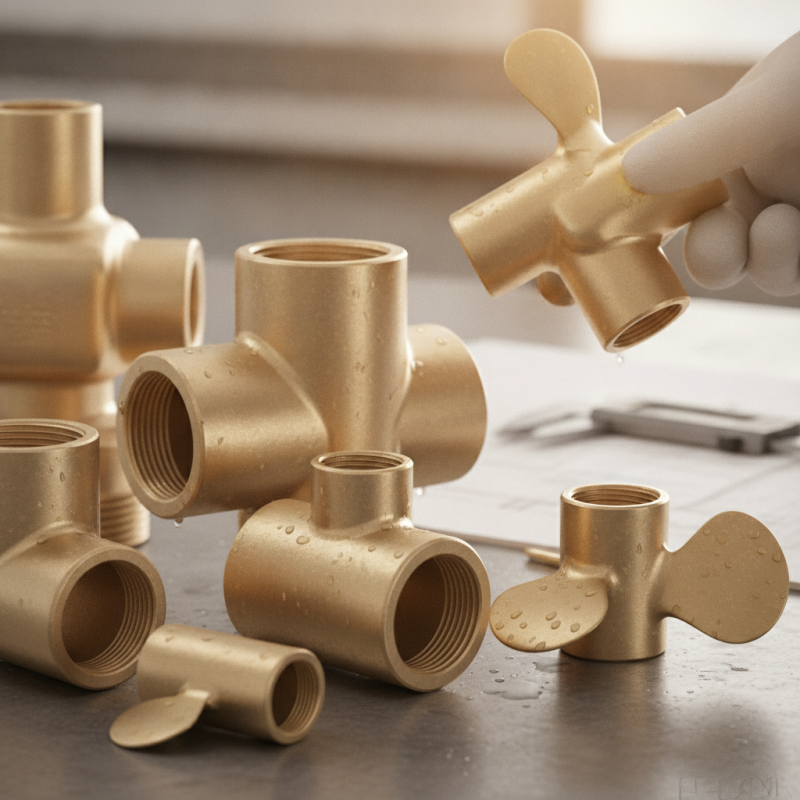
Silicon brass is a unique alloy known for its versatility in precision casting. Comprising copper, zinc, and silicon, it offers excellent strength and corrosion resistance. The presence of silicon improves fluidity during the casting process, allowing intricate designs and details. This makes silicon brass a preferred choice for various applications, including marine components and architectural fixtures.
When selecting silicon brass for your project, consider its mechanical properties. Silicon brass exhibits higher tensile strength than standard brass alloys. This characteristic ensures durability under stress. However, it's important to acknowledge that improper casting techniques can lead to flaws, such as surface defects or internal voids. Carefully evaluate your project requirements to avoid these pitfalls.
Tips: Always test your silicon brass samples before bulk production. This can reveal how the alloy performs in specific conditions. Additionally, collaborating with skilled foundries can enhance the casting quality. Ensure they utilize advanced casting technologies to achieve the desired finish and specifications. Finally, keep in mind that designing for manufacturability can simplify the casting process and reduce costs.
Understanding Silicon Brass Properties for Precision Casting
Key Factors in Selecting Silicon Brass Alloys for Your Project Needs
Choosing the right silicon brass alloy is crucial for the success of your project. Several key factors influence this decision. The first is corrosion resistance. Silicon brass is favored for its ability to withstand harsh environments. Projects in marine settings often require this durability. Key specifications can vary between alloys, so understanding your environment is essential.
Another aspect to consider is the alloy's machinability. Some silicon brass alloys are easier to work with than others. If your project requires intricate designs, select an alloy that allows for precise machining. However, be aware that higher machinability can sometimes compromise strength. Balance is important to ensure the final product meets performance requirements.
Finally, think about the application and aesthetic needs. Some alloys provide a bright finish, while others offer a more subdued look. Aesthetics can be critical for decorative items. An incorrect choice can lead to costly challenges down the line. Take the time to weigh these factors carefully. Conduct thorough research and consult with experts when necessary to optimize your selection process.
How to Choose Silicon Brass Precision Casting for Your Project? - Key Factors in Selecting Silicon Brass Alloys for Your Project Needs
| Key Factors |
Description |
Advantages |
Applications |
| Composition |
Silicon brass typically contains copper, zinc, and silicon which enhance properties. |
Improved corrosion resistance and enhanced strength. |
Automotive parts, marine fittings, and plumbing applications. |
| Casting Process |
The method used (sand casting, investment casting, etc.) can affect the final product quality. |
Precise control over the dimensions and surface finish. |
High-stress components requiring exact specifications. |
| Mechanical Properties |
Consider strength, ductility, and wear resistance. |
Suitable for high-wear applications due to durability. |
Machinery parts and tools where wear resistance is crucial. |
| Cost |
Evaluate the cost per pound and overall production expense. |
Optimizing materials can lower costs while maintaining quality. |
Manufacturing projects with budget constraints. |
| Supplier Reputation |
Researching potential suppliers and their history in precision casting. |
Reliability and trust in product quality and delivery timelines. |
Long-term partnerships in manufacturing and supply chain management. |
Evaluating the Quality Standards and Certifications in Silicon Brass Casting
When evaluating silicon brass precision casting, quality standards and certifications play a crucial role. It's essential to ensure that the casting process aligns with industry benchmarks. Look for certifications such as ISO 9001, which indicate that a manufacturer adheres to strict quality management principles. This reflects their commitment to delivering high-quality products.
Tips: Always verify the supplier's certifications. Engage in conversations about their quality assurance processes. This shows your seriousness about quality and reinforces the relationship.
Moreover, consider the manufacturing techniques employed. Different methods may yield varying results. Techniques like sand casting or investment casting can affect the final product's durability and finish. Researching these methods can help you understand their impact on your project's requirements.
Tips: Ask for samples before making a decision. Observing the quality firsthand can provide insights. Document any discrepancies or weaknesses, as this may inform future projects.
Commitment to quality in silicon brass casting is vital. Stable sourcing, consistent results, and adherence to standards can save unforeseen costs and strengthen the project's foundation. Engage with knowledgeable partners to navigate this complexity. Your project deserves precision casting that meets expectations and performs reliably.
Cost Analysis: Comparing Silicon Brass Precision Casting with Other Materials
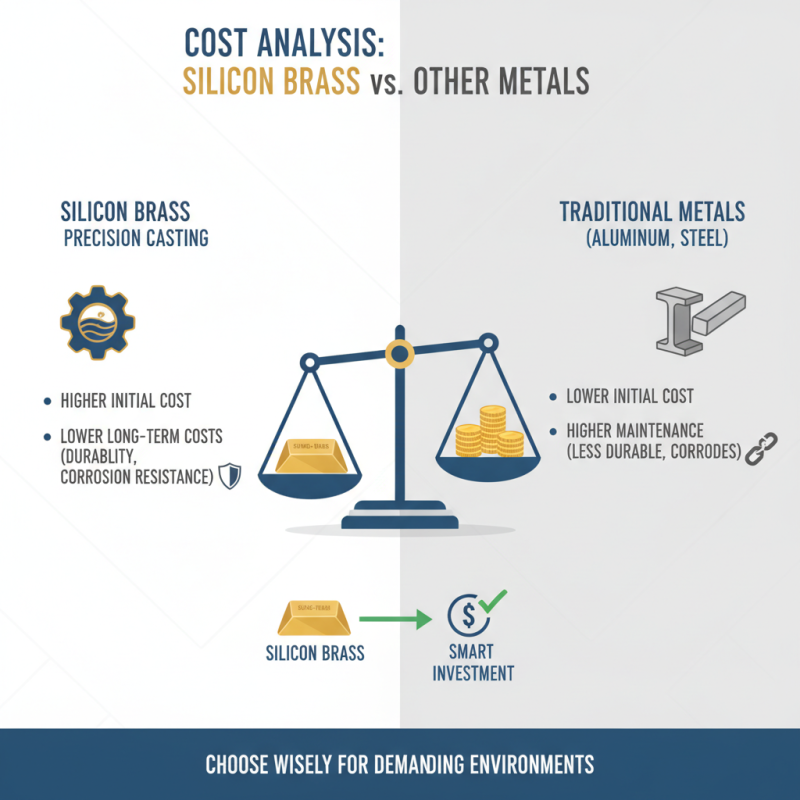
When considering silicon brass precision casting, cost analysis is crucial. Silicon brass is often more expensive than traditional metals like aluminum and steel. However, its unique properties can justify this higher price. It offers excellent corrosion resistance and is more durable in demanding environments. This might lead to lower maintenance costs over time.
Other materials may appear cheaper upfront. But they can require more frequent replacements or repairs. Silicon brass’s longevity can offset its initial cost. Analyzing your project’s specific needs is essential. If your project demands precision and durability, investing in silicon brass may yield better long-term value.
For some projects, alternatives may work fine. But the difference in quality could surprise you. It’s easy to overlook the impact of material choice on project costs. Sometimes, the less expensive option can be a false economy. A careful assessment of the long-term benefits versus initial expenses is vital.
Application Areas of Silicon Brass in Precision Engineering Projects
Silicon brass has become increasingly popular in precision engineering due to its unique properties. It offers excellent corrosion resistance and durability, making it suitable for various applications. Commonly used in marine environments, silicon brass components can withstand harsh conditions. This makes them ideal for naval hardware and underwater equipment.
Additionally, silicon brass is favored in the automotive industry. It is used in components that require a combination of strength and resistance to wear. The alloys provide good thermal conductivity, essential for engine parts and fittings. Its aesthetic appeal also makes it a choice for decorative applications.
However, not every project benefits from silicon brass. There are instances where cost may outweigh the benefits. Ensuring the right application is crucial. Evaluating the environment and performance requirements is necessary. In some cases, alternative materials might be more suitable, sparking the need for careful consideration.