Top 10 Silicon Brass Precision Casting Companies in China?
The demand for Silicon Brass Precision Casting is rapidly growing in various industries, especially in automotive and electronics. Market studies indicate that the global metal casting industry is projected to reach $200 billion by 2026, with precision casting representing a significant segment of this market. China, in particular, has witnessed explosive growth, driving innovation and quality improvements in the sector.
Over the past decade, many companies in China have emerged as leaders in Silicon Brass Precision Casting. They leverage advanced technologies and skilled labor to produce high-quality components. However, challenges remain. Quality consistency and environmental regulations pose potential hurdles that companies must navigate. Consumers are increasingly scrutinizing suppliers for sustainable practices.
Understanding the landscape of Silicon Brass Precision Casting companies in China is essential for businesses seeking reliable partners. Analyzing their strengths and weaknesses can inform better decision-making. It’s crucial to consider factors such as production capabilities and supply chain resilience. The following overview highlights the top 10 companies that exemplify excellence in this field.
Overview of Silicon Brass Precision Casting in China
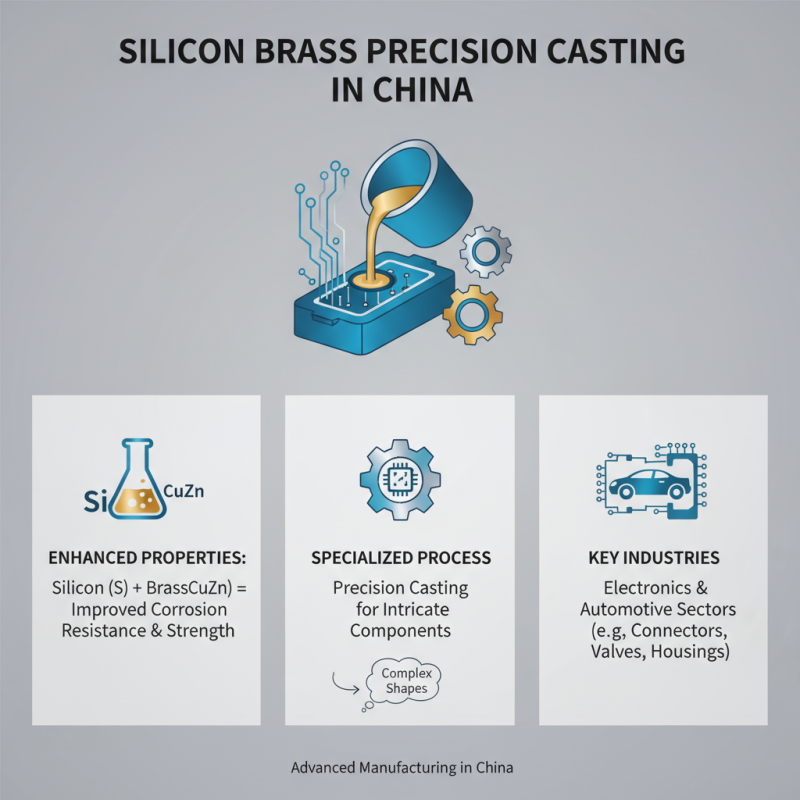
Silicon brass precision casting is a specialized process widely utilized in China’s manufacturing sector. It integrates silicon into brass to enhance properties like corrosion resistance and strength. This process is particularly beneficial for producing intricate components used in various industries, such as electronics and automotive.
According to industry reports, the precision casting market in China is expected to grow significantly, with a CAGR of about 5% from 2021 to 2026. The growing demand for lightweight materials in manufacturing drives this expansion. Over 70% of manufacturers are investing in advanced casting technologies to improve the efficiency and quality of their products. However, challenges remain. Many companies face difficulties in maintaining consistent quality and managing production costs. This leads to a strong competition among casting firms, as they strive for technological advancements while ensuring profitability.
Furthermore, the reliance on traditional casting methods often limits innovation. While some companies advocate for automation, others stick to age-old techniques. This divide raises questions about the future of the sector. Progress in establishing industry standards is essential. Balancing quality assurance with cost-effectiveness will require ongoing effort and reflection among industry players.
Criteria for Evaluating Precision Casting Companies
When evaluating precision casting companies, certain criteria stand out. Experience in silicon brass casting is crucial. Companies should have a proven track record in the industry. A stable production process often reflects quality. Advanced technology in casting techniques can enhance efficiency and output.
Quality control is another critical aspect. A reliable company implements strict testing protocols. Their ability to deliver precise dimensions and finishes is vital. Certifications from recognized quality standards can be a positive sign. Customer reviews and feedback can provide insight into a company’s reputation.
Pricing structures should also be transparent. Potential clients need to understand what they pay for. The cost should align with the quality of the products. Sometimes, lower prices signal compromised quality. Evaluating the turnaround time for orders is important too. Companies should communicate delivery timelines clearly. This transparency builds trust and ensures smooth transactions.
Top 10 Silicon Brass Precision Casting Companies in China
| Company Location |
Annual Production Capacity (Tons) |
Main Products |
Quality Certifications |
Years of Experience |
| Beijing |
1500 |
Brass Fittings |
ISO 9001, ISO 14001 |
15 |
| Shanghai |
2000 |
Valves and Pipes |
ISO 9001, OHSAS 18001 |
20 |
| Guangzhou |
1200 |
Automotive Components |
ISO 9001 |
10 |
| Shenzhen |
1800 |
Electronic Housings |
ISO 9001, RoHS |
12 |
| Nanjing |
1600 |
Plumbing Fixtures |
ISO 9001, CE |
18 |
| Hangzhou |
1400 |
Industrial Valves |
ISO 9001, ASME |
14 |
| Chengdu |
1100 |
Construction Materials |
ISO 9001, GB |
8 |
| Wuhan |
1300 |
Machinery Parts |
ISO 9001, TS16949 |
16 |
| Tianjin |
1700 |
Custom Castings |
ISO 9001, ISO 14001 |
15 |
| Xi'an |
950 |
Military Components |
ISO 9001, GJB9001 |
22 |
Top 10 Silicon Brass Precision Casting Companies: A Detailed Review
China's silicon brass precision casting industry has shown remarkable growth in recent years. According to a report by Market Research Future, the market size was valued at approximately $2.3 billion in 2022 and is projected to grow at a compound annual growth rate (CAGR) of 5.2% from 2023 to 2030. This rapid expansion highlights the effectiveness of Chinese manufacturers in meeting global demands for high-quality components.
They leverage advanced technologies to enhance precision and reduce waste, which is crucial in this competitive space.
However, not all companies maintain the same level of excellence. A significant challenge is the inconsistency in quality control across various manufacturers. For instance, while some companies achieve an impressive defect rate of less than 1%, others struggle with rates exceeding 5%. This disparity can lead to significant supply chain disruptions for clients worldwide. Furthermore, a shortage of skilled labor remains a pressing issue, impacting the overall innovation and efficiency of firms. Companies must address these issues to maintain their competitive edge in the global market.
Key Technologies Used in Silicon Brass Precision Casting
Silicon brass precision casting is an advanced manufacturing technique. It combines the strength of silicon and the malleability of brass. This results in high-quality metal components, ideal for various industries. The process begins with creating a mold. This mold is crafted with precision to ensure accuracy in the final product.
One of the key technologies involved is the lost wax method. This method allows for detailed designs and a smooth surface finish. The wax pattern is covered in a ceramic shell. Once heated, the wax melts away, leaving a hollow cavity. This cavity is then filled with molten silicon brass. It’s a process that requires skill and patience.
Another important technology is computer-aided design (CAD). CAD software helps in designing accurate models. It reduces errors in the prototyping phase. Companies invest in training for their employees to enhance skills. However, the challenge lies in maintaining consistency in production quality. Striking a balance between cost efficiency and product accuracy is crucial for ongoing success.
Top 10 Silicon Brass Precision Casting Companies in China
Future Trends in Silicon Brass Precision Casting Industry in China
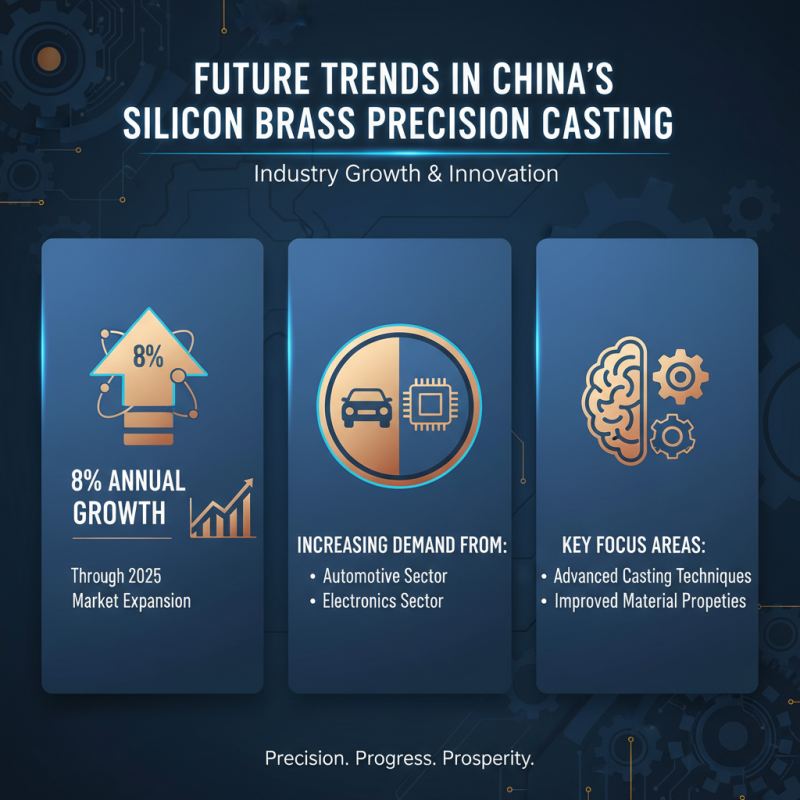
The silicon brass precision casting industry in China is poised for significant growth. With increasing demand in sectors like automotive and electronics, experts predict that this market will expand by 8% annually through 2025. This trend highlights the importance of advanced casting techniques and improved material properties.
China's focus on technological innovation plays a pivotal role in this industry. Companies are investing heavily in advanced manufacturing techniques, including 3D printing and automation. These innovations not only enhance efficiency but also reduce production costs. According to a recent industry report, precision casting can improve yield rates by up to 15%. However, maintaining quality will remain a challenge as the industry evolves.
Tips: Companies should embrace ongoing training for their workforce to adapt to new technologies. Monitoring market trends is crucial for staying competitive. Collaborating with research institutions can foster innovative solutions to current challenges.
The future also demands a focus on sustainability. As environmental regulations tighten, the industry must explore eco-friendly materials and processes. Yet, balancing sustainability with production demands is a complex issue. Companies may struggle to find the right materials without compromising quality.