Top Stainless Steel Precision Casting Trends in 2026 What to Know?
Stainless Steel Precision Casting has gained significant traction in various industries. As we approach 2026, it's essential to understand the emerging trends shaping this field. The advancements in technology, materials, and processes are transforming how stainless steel components are produced. This evolution not only enhances quality but also drives efficiency.
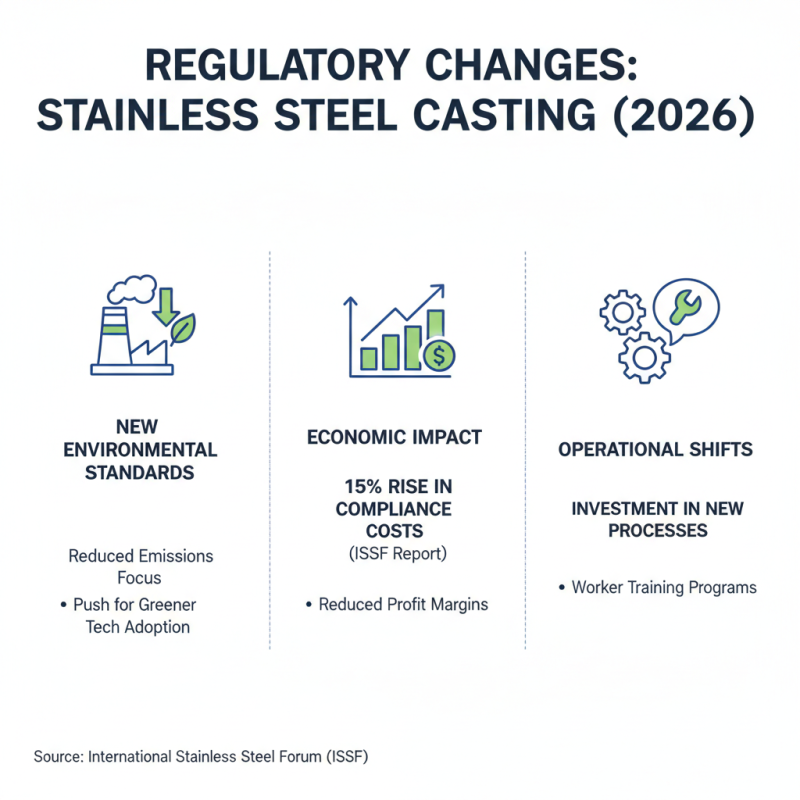
One major trend is the push for sustainable practices. Industry leaders are increasingly looking for eco-friendly materials and methods. While this shift appears promising, it poses challenges. Not all manufacturers are prepared to adapt. The pressure for innovation can lead to hasty decisions, potentially compromising quality.
Another trend involves the integration of automation in casting processes. Automated systems can improve precision and reduce human error. However, reliance on technology may also create vulnerabilities. If systems fail, the repercussions can be significant. Companies must weigh the benefits against the risks. Understanding these nuances will be crucial for anyone involved in the stainless steel precision casting sector.
Emerging Technologies in Stainless Steel Precision Casting for 2026
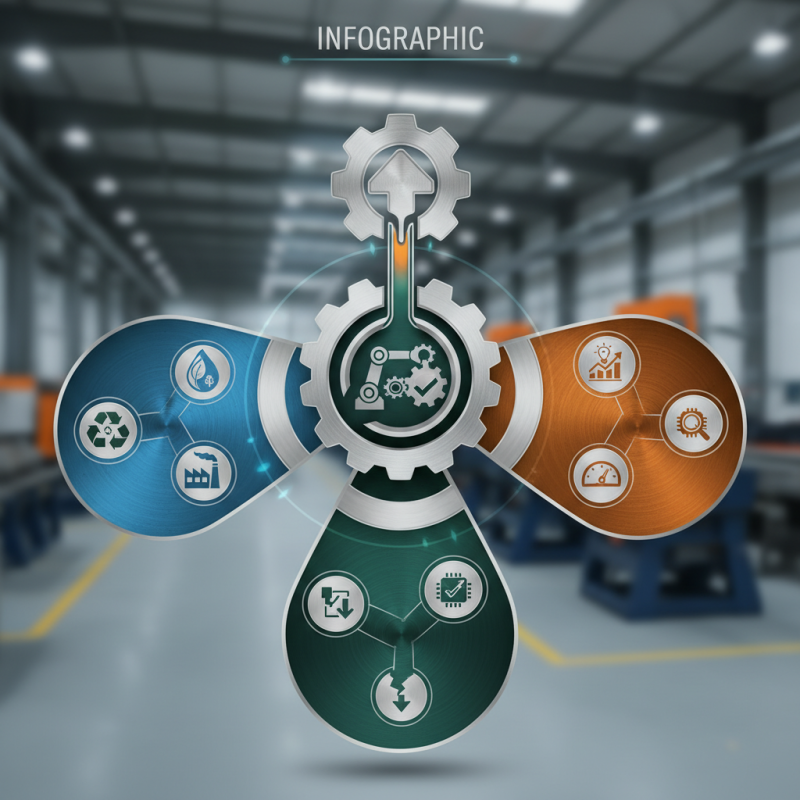
As we look ahead to 2026, stainless steel precision casting is set to undergo significant transformations. Emerging technologies are reshaping this industry. Automation is becoming more prevalent, enhancing production efficiency. Advanced robotics can execute tasks that require high precision. These innovations reduce human error, resulting in higher quality products.
The incorporation of artificial intelligence in casting processes is another exciting trend. AI systems analyze data to optimize manufacturing parameters. This helps in predicting potential failures and minimizes waste. However, reliance on technology brings challenges. Ensuring the reliability of AI in quality control is crucial.
Sustainability also plays a key role in shaping the future of this industry. Eco-friendly practices are gaining traction and reshaping casting methods. There is a growing demand for recycled materials in the production process. Companies need to adapt to these expectations, but the transition can be daunting. Balancing innovation and sustainability remains a critical point of discussion.
Sustainability Practices Impacting Stainless Steel Casting Trends
The stainless steel precision casting industry faces significant shifts as sustainability practices shape its trajectory. A report by MarketsandMarkets suggests that sustainable manufacturing processes can enhance productivity by 30%. Companies are now implementing strategies to recycle scrap steel and reduce energy consumption. This commitment to sustainability reflects growing consumer demand for eco-friendly practices.
Manufacturers are adopting cleaner technologies to minimize waste. For instance, investment in electric arc furnaces reduces carbon emissions significantly. A study from the International Energy Agency highlights that transitioning to such technologies could cut global steel production emissions by up to 30% by 2030. However, the implementation of these technologies may come with challenges. Not all facilities can afford the capital required for this transition.
The drive towards sustainability is not without its complications. While some companies make strides, others lag behind due to costs and regulations. The competition in steel casting demands not just adherence to sustainability but also innovation in production methods. Continuous improvement in practices is essential. Monitoring progress and outcomes can help identify what works and what needs adjustment. The journey towards sustainability in stainless steel casting is ongoing and requires collective efforts and reflection.
Top Stainless Steel Precision Casting Trends in 2026
Market Demand Fluctuations and Their Influence on Casting Techniques
Market demand for stainless steel castings is becoming increasingly dynamic. In 2026, the landscape is expected to shift considerably. Economic factors and consumer preferences are directly influencing casting techniques. Manufacturers must adapt quickly to these changes. Increased demand for lightweight materials drives innovation. This trend affects the types of alloys and methods used in production.
Sustainability pressures are reshaping the market as well. Eco-friendly casting techniques are gaining popularity. Companies are investing in cleaner technologies and processes. This raises questions about traditional methods. Can they meet the new standards? Balancing quality and environmental impact presents challenges for many manufacturers. It’s a delicate equation.
As businesses navigate these fluctuations, they must stay informed. The need for precision and quality remains high. Emerging trends demand a reevaluation of current practices. Keeping abreast of market shifts is crucial. Educating teams on these changes will enhance resilience. Collaboration among industry experts can lead to innovative solutions. Engaging in discussions about challenges can spark new ideas.
Innovations in Design and Manufacturing Processes for Precision Casting
The landscape of stainless steel precision casting is evolving rapidly. Innovations in design are central to this transformation. Engineers and designers are increasingly focusing on creating complex geometries that were previously difficult to achieve. Advanced computer-aided design (CAD) tools are propelling this trend forward. These tools allow for intricate designs and detailed simulations before the casting process begins.
Manufacturing processes are seeing significant advancements too. 3D printing plays a vital role in producing molds quickly and efficiently. This method reduces lead times and costs associated with traditional mold-making techniques. However, the integration of new technologies can introduce challenges. Companies must retrain staff and adapt to changing workflows, which may not always go smoothly.
Tips for navigating these changes include investing in employee training programs. Continuous learning can help teams better manage new technologies. Additionally, regularly assessing your processes can identify areas for improvement. Embracing innovation is essential, but it's equally important to recognize when things don't work as planned. Engaging in thoughtful retrospection can guide future design and manufacturing decisions.