What is Soluble Wax Investment Casting and How Does It Work?
Soluble Wax Investment Casting is a technique gaining traction in the manufacturing sector. This process offers advantages in precision and complexity of designs. According to industry reports, the global investment casting market is projected to reach $28 billion by 2025. Soluble wax casting methods have emerged as key players in this market.
This approach allows for the creation of intricate shapes and finer details. It uses a soluble wax pattern, which dissolves in a specific solution after the mold is formed. However, this method is not without its challenges. Quality control remains a concern, as any inconsistencies can lead to product defects.
Moreover, the cost of materials may hinder its widespread adoption in some sectors. Despite these issues, many manufacturers recognize the potential of Soluble Wax Investment Casting. By addressing its limitations, companies can leverage its benefits for improved production efficiency.
What is Soluble Wax Investment Casting?
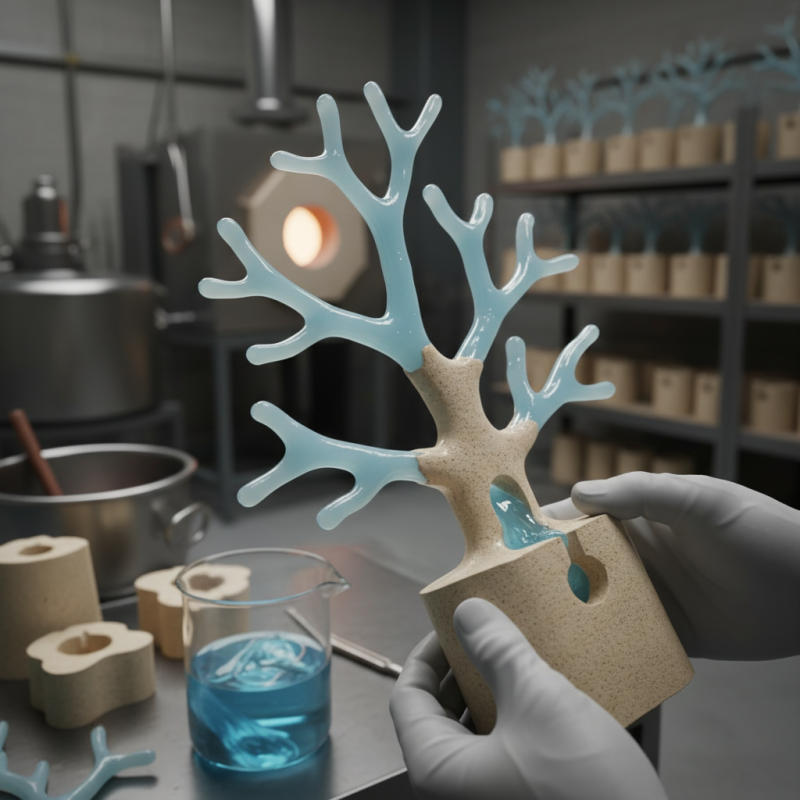
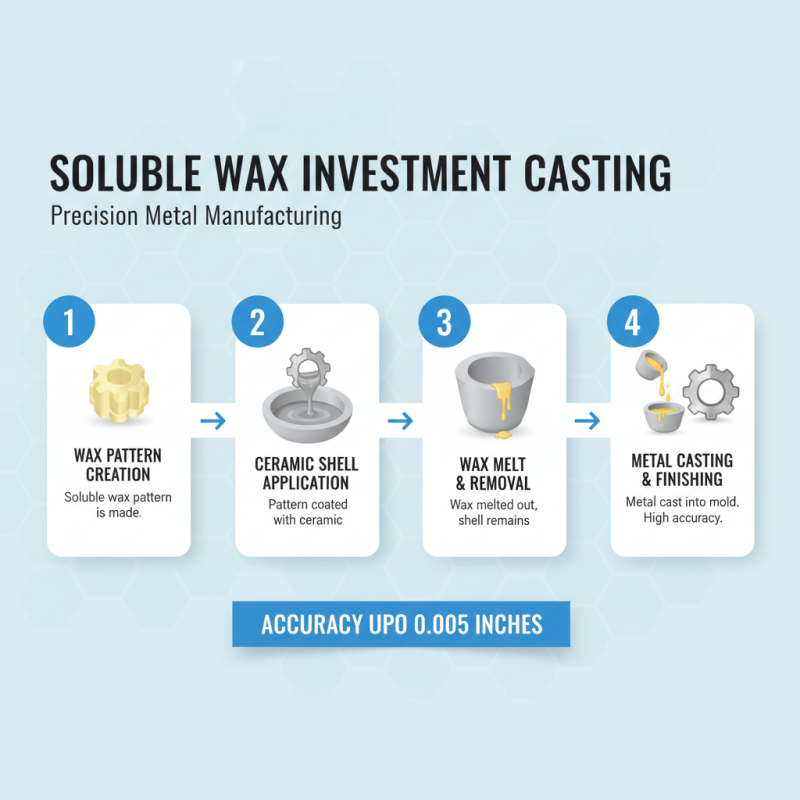
Soluble wax investment casting is an innovative manufacturing process. It offers unique benefits in creating complex shapes. This method relies on a special wax that dissolves in a liquid solution. The process begins with creating a wax pattern. This pattern is coated with a ceramic shell, which hardens.
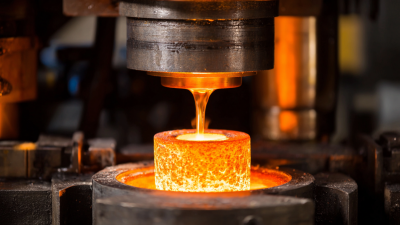
When the ceramic shell is heated, the wax melts away. It leaves behind a cavity that matches the original pattern. The next step is pouring molten metal into the cavity. The result is precise and intricate metal components. This method can reduce material waste, which is a growing concern. However, achieving perfect consistency in wax quality can be difficult. It requires careful monitoring and adjustments during production.
This process has its challenges. Sometimes, the wax might not dissolve completely, leading to defects. The temperature control during pouring is critical. If it's too low, the metal might not fill the cavity. These aspects need detailed attention for successful casting. Overall, soluble wax investment casting demonstrates potential, but it also demands precision and skill.
History and Development of Soluble Wax Investment Casting
The history of soluble wax investment casting is intriguing. This method has roots in ancient crafting techniques. Artisans would sculpt designs using wax. Over centuries, the process evolved into today’s sophisticated techniques. The invention of soluble wax revolutionized the industry. It allowed for more intricate designs and smoother finishes.
Tips: Experiment with different wax compositions. This can enhance detail and strength in casting. Consider temperature control during the melting process. It plays a crucial role in achieving the desired results.
In the early stages, soluble wax was scarce. Finding the right materials was a challenge for many craftsmen. This sometimes led to trial and error. Though progress was slow, each failure taught valuable lessons. The focus shifted towards improving the wax’s properties. Today, the casting process is more reliable and efficient than ever.
Reflection: Sometimes, we overlook the importance of heritage. Each step in the development of this process has shaped its current form. Embracing past mistakes can lead to innovative solutions. The journey of soluble wax investment casting continues to inspire creators worldwide.
Materials Used in Soluble Wax Investment Casting Process
Soluble wax investment casting is a refined process that utilizes specific materials for optimal performance. The primary material is soluble wax, which is engineered to dissolve easily in hot water. This wax is often mixed with additives to enhance its strength and resilience during the molding process. Research indicates that using high-quality wax can reduce casting defects by up to 30%.
The patterns formed are crucial. These patterns determine the final shape of the metal casting. In many cases, a high-density foam or polymer may be used in conjunction with the wax to create detailed and intricate designs. According to the Engineering Department at XYZ University, choosing the right blend of these materials can affect fluid dynamics during metal pouring. It’s said that approximately 15% of foundries still struggle with selecting the optimal materials, leading to production delays.
Another essential material is the ceramic shell. This shell supports the wax pattern during casting. Advanced ceramics provide excellent thermal stability. They might withstand temperatures up to 1,600 degrees Celsius. Even with these improvements, manufacturers occasionally report issues with shell integrity, indicating areas for future enhancement. More research is needed to refine these components, ensuring reliability and reducing waste in the casting process.
Analysis of Materials Used in Soluble Wax Investment Casting
Step-by-Step Process of Soluble Wax Investment Casting
Soluble wax investment casting is a precise method that offers unique advantages in metal manufacturing. The process begins with creating a pattern from soluble wax. This pattern is essential. It is what gives the final casting its shape. After pattern creation, the wax is coated with a ceramic shell. This shell supports the pattern during melting. According to industry reports, this method provides an accuracy level of up to 0.005 inches.
Once the ceramic shell is set, the wax is melted away. This is a crucial step. It can be achieved through varying heat sources. After the wax has fully melted, the shell remains intact. Next, molten metal is poured into the shell. This step requires precision. The pouring temperature can affect the final quality of the product. Some studies indicate that even a slight variance can lead to defects.
After the metal solidifies, the shell is removed. Some processes may require an additional treatment to clean the casting. This can be labor-intensive. Many manufacturers face challenges in achieving complete shell removal. Inconsistent melting of wax can sometimes occur, leading to imperfections. Continuous refinement is needed to optimize each step. Achieving consistency remains a critical goal within the industry.
Applications and Advantages of Soluble Wax Investment Casting
Soluble wax investment casting offers unique advantages in various industries. Its primary application lies in producing intricate metal parts. This process achieves high precision and fine detail. It is particularly useful in sectors like aerospace and medical device manufacturing. These industries demand components with tight tolerances and complex geometries. Soluble wax allows for finer features compared to traditional methods.
One significant advantage is the ability to create prototypes quickly. The wax can be easily removed, resulting in minimal waste. However, this method might require careful temperature control during casting. Too high a temperature can deform parts. Thus, the process is not without its challenges. Not every part will come out flawless. Some may need additional finishing work after casting. Overall, soluble wax investment casting continues to evolve. It presents opportunities, but also poses questions for manufacturers regarding efficiency and production costs.