What is Precision Casting and Why is it Important in 2026?
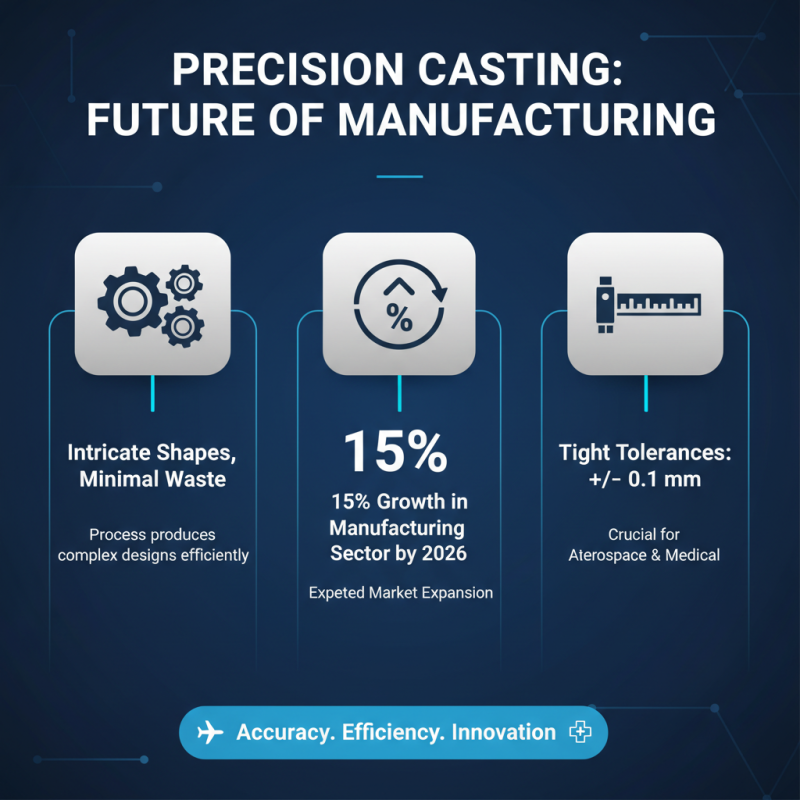
Precision Casting is set to play a crucial role in 2026. This advanced manufacturing technique allows for intricate designs and detailed components. Industries such as aerospace, automotive, and healthcare greatly rely on Precision Casting.
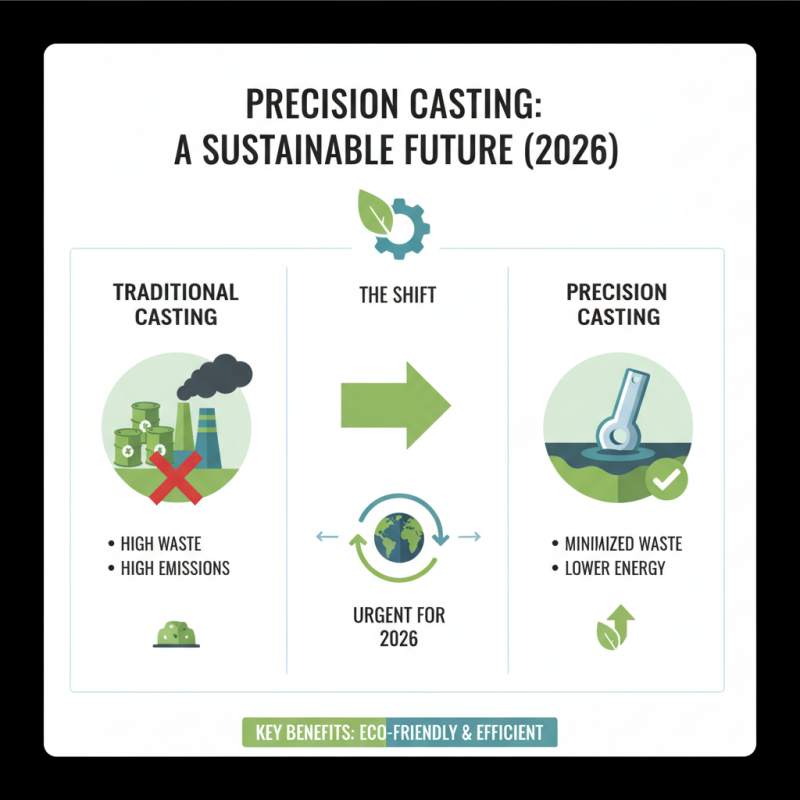
In 2026, the demand for high-quality, precise parts will surge. Manufacturers are recognizing the efficiency of Precision Casting. This method minimizes material waste and reduces production costs. Yet, challenges remain. Achieving perfect consistency is difficult. Variations can lead to defects.
Despite its imperfections, Precision Casting remains essential. The need for strong, lightweight materials drives innovation. As technology evolves, so will the techniques used in casting. Embracing these changes is vital for success. The future of Precision Casting looks promising, but reflection on its limitations is necessary.
What is Precision Casting? An Overview of the Process
Precision casting is a highly refined process that produces precise metal parts. It involves creating a detailed mold, often made from ceramic or metal, to achieve intricate designs. A pattern of the object is prepared first. This pattern is then coated with a refractory material. Once the coating hardens, the pattern is removed, leaving a mold cavity.
The liquid metal is then poured into the mold. This technique allows for complex shapes that traditional methods cannot achieve. The cooling process needs careful monitoring to avoid defects. Variations in temperature can lead to imperfections, such as warping or cracking. Achieving the right balance is challenging, and mistakes can be costly.
One of the significant advantages of precision casting is its material efficiency. Unlike machining, it creates less waste. However, the initial setup is time-consuming and requires precise calculations. Every step must be examined closely. Even small errors can affect the final product. In 2026, as industries push for higher standards, the importance of precision casting will only grow. It remains a process worth refining and studying for future advancements.
Importance of Precision Casting in 2026
Applications of Precision Casting Across Various Industries in 2026
Precision casting has become a critical component in various industries by 2026. The aerospace sector employs precision casting to produce lightweight components. These parts must withstand extreme temperatures and pressures. In 2023, the global market for aerospace precision castings was valued at approximately $4.5 billion. Analysts expect it to grow by over 5.1% annually.
In the automotive industry, precision casting is used for making engine components. This method enhances durability while minimizing weight. Data show that precision cast parts reduce vehicle emissions by up to 10%. This plays a pivotal role in meeting stricter environmental regulations. However, challenges persist, such as the high cost of precision casting technology. Many manufacturers struggle with the initial investment required for advanced equipment.
The medical devices industry also benefits from precision casting. Components produced using this method allow for greater customization and precision. Reports indicate that the medical device market will reach $600 billion by 2026. This growth enhances the demand for effective casting techniques. Nevertheless, the need for thorough quality control remains a significant concern. Consistency and precision are crucial in this high-stakes field.
Technological Advances Shaping the Future of Precision Casting
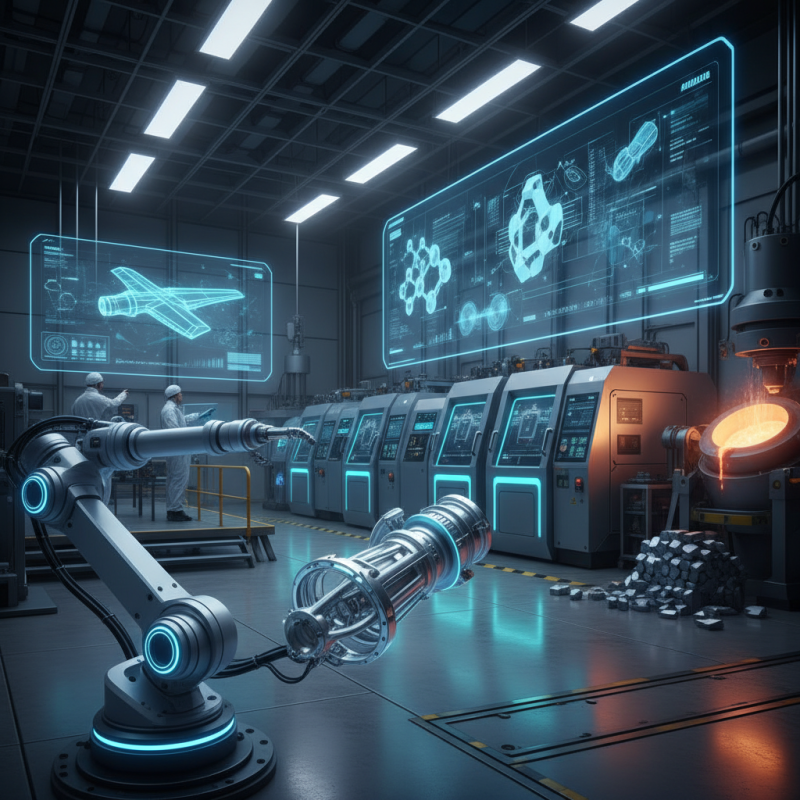
Precision casting has evolved significantly, thanks to recent technological advances. In 2026, the precision casting industry is projected to reach $32 billion, driven by increased demand for high-quality components. Innovations in 3D printing technology have transformed traditional practices. This allows for intricate designs that were previously impossible. Moreover, the use of advanced materials enhances the durability and performance of cast products.
Tips: Invest in training for your team. Understanding these new technologies is crucial. Embracing change can lead to better results.
Automation is another key development. Automated systems reduce human error and increase repeatability. According to a recent report, companies using automation have seen a 20% increase in efficiency. However, challenges remain. Many businesses struggle to integrate these technologies fully. They must assess their systems continuously to enhance performance and discover new opportunities.
Tips: Regularly review your current processes. Reflection can reveal gaps that need addressing. Prioritize updates to stay competitive in the evolving market.