What Are Precision Casting Components and Their Applications?
Precision casting components have gained significant attention in various industries due to their accuracy and versatility. These components are manufactured using a method that allows for intricate designs and tight tolerances. Many sectors benefit from precision casting, including automotive, aerospace, and medical devices. The ability to produce complex geometries with minimal waste makes this technique invaluable.
In industries where reliability is crucial, precision casting components play a vital role. They provide high wear resistance, making them ideal for machinery parts. Their applications extend beyond standard components, as companies seek innovative solutions for specific challenges. However, the precision casting process is not without its challenges. Achieving consistent quality can be difficult. Advances in technology aim to address these issues, but ongoing refinement is still necessary.
Moreover, various materials can be used in precision casting, including metals and alloys. Each choice impacts the final product’s performance and durability. Despite its advantages, companies must carefully evaluate their needs before selecting this method. As industries continue to evolve, the demand for precision casting components will likely grow, requiring further exploration into its potential.
Definition of Precision Casting Components
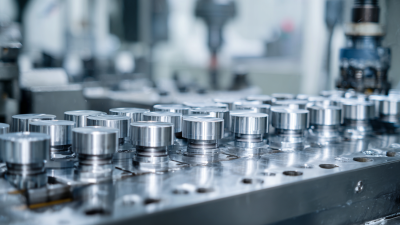
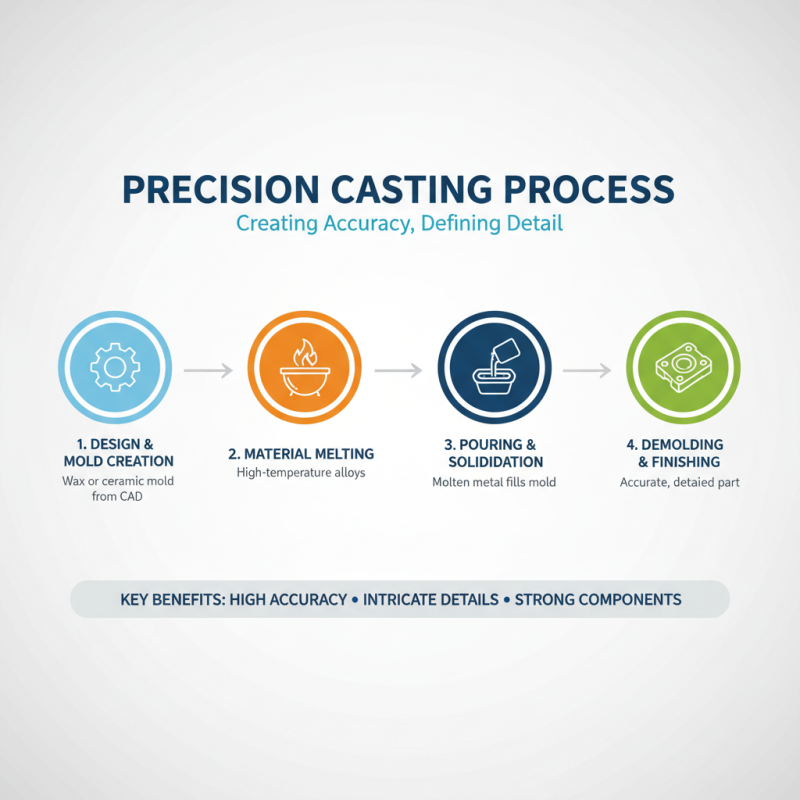
Precision casting components are specialized parts created through a meticulous process. This manufacturing technique is known for its accuracy and detail. The method involves pouring molten metal into a mold. This mold is designed to create exact shapes, often with intricate details. The result is a component that meets stringent specifications.
Tips: When considering precision casting, focus on the type of metal used. Different metals respond differently in the casting process. Some take heat well, while others may warp. Always consult with experts if unsure.
Precision casting components have diverse applications. They are widely used in industries like aerospace, automotive, and medical devices. In aerospace, they create lightweight yet strong parts. In the automotive sector, they produce engine components with high precision. Medical devices require precision for safety and efficacy. However, not all designs are feasible for casting. Some might lead to structural weaknesses.
Tips: Think about the design complexity before starting a project. Simpler designs often yield better results. Overly complex components might lead to production issues. Always review designs thoroughly for potential pitfalls.
Applications of Precision Casting Components
Key Materials Used in Precision Casting
Precision casting plays a crucial role in various industries, leveraging specific materials for optimal results. Commonly used materials include stainless steel, aluminum, and bronze. These materials are chosen for their unique properties. Stainless steel offers high corrosion resistance, while aluminum is lightweight and has excellent thermal conductivity.
Bronze, known for its durability, is often preferred in marine applications. Each material undergoes rigorous testing to ensure quality. However, sourcing these materials can be challenging, and fluctuations in availability may lead to increased costs. Careful choice of materials is essential for achieving desired performance.
While precision casting components can improve product quality, mistakes can happen. Variations in material composition can affect strength. This can lead to failures in applications where reliability is key. Manufacturers must continuously evaluate their processes to minimize these risks. Investing in better quality assurance can sometimes seem burdensome. Still, it is vital for long-term success in precision casting.
Manufacturing Process of Precision Casting
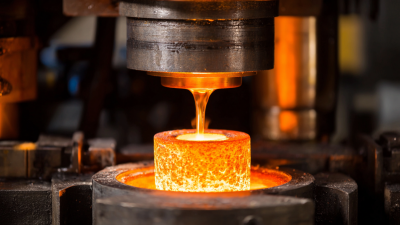
Precision casting is a highly specialized manufacturing process. This method creates components with great accuracy and intricate details. The process begins with the creation of a mold based on a specific design. This mold is often made from materials that can withstand high temperatures.
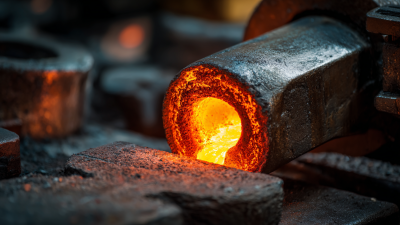
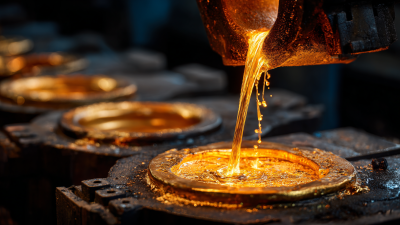
Once the mold is prepared, a heat-resistant metal is poured into it. This step requires precision to avoid any defects. After cooling, the mold is removed, and the final component is inspected. Some imperfections might appear despite careful planning. Addressing these flaws is vital for quality assurance.
The applications of precision casting are broad. Industries such as aerospace and automotive rely on these components. Each piece must meet strict specifications. The challenge lies in maintaining consistency while optimizing the production process. Proper management and attention to detail can lead to better outcomes. However, mistakes can still occur, resulting in wasted materials and time.
Common Applications of Precision Casting Components
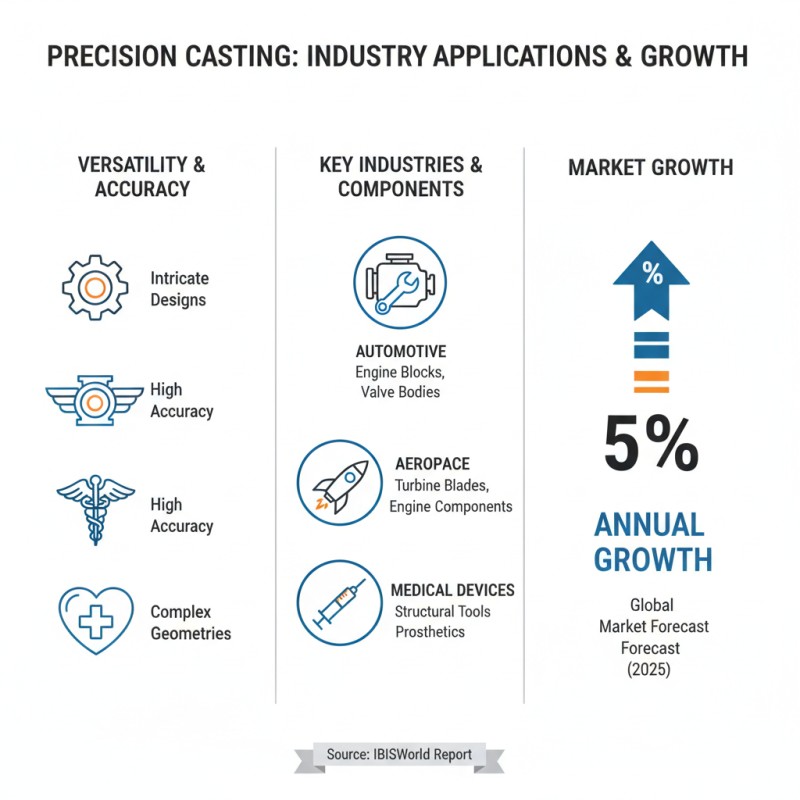
Precision casting components are widely used in various industries due to their ability to create intricate designs with high accuracy. Common applications include automotive parts, aerospace components, and medical devices. In the automotive industry, for instance, precision castings facilitate the manufacturing of engine blocks, gears, and valve bodies. According to a report from IBISWorld, the global market for precision casting is expected to grow by 5% annually through 2025.
In aerospace, precision castings are critical for producing turbine blades and structural components. These parts must endure extreme conditions, requiring exact specifications. The American Society for Metals reports that precision castings can reduce material waste by up to 20%. This efficiency is vital, especially when considering environmental impacts and the costs of raw materials.
Tips: When selecting precision casting components, evaluate the material properties and tolerances needed for your project. Also, work closely with manufacturers to understand their capabilities and limitations. This collaboration can foster innovation but may reveal issues in the design phase that need addressing. Don't overlook the importance of testing prototypes, as it can lead to refinements that enhance performance.
Advantages of Using Precision Casting in Industries
Precision casting has gained significant attention for its efficiency in various industries. One key advantage of using precision casting is its ability to create complex shapes. Manufacturers can produce intricate designs with high precision. This reduces the need for additional machining processes. As a result, time and costs may be lowered.
Another benefit is material conservation. Precision casting minimizes waste, allowing for more sustainable practices. Using advanced techniques, it can create lighter components without sacrificing strength. This quality is crucial in industries like aerospace and automotive. However, some may overlook the initial investment required for precision casting equipment. It's essential to weigh the long-term gains against upfront costs.
Quality control is vital in the casting process. Issues may arise from inconsistent temperatures or material flaws. Companies must remain vigilant in monitoring each stage. While precision casting offers many advantages, constant assessment is needed to address potential pitfalls. Balancing efficiency with quality often requires ongoing reflection and adjustment.
What Are Precision Casting Components and Their Applications? - Advantages of Using Precision Casting in Industries
| Component Type |
Material |
Application |
Advantages |
| Gear components |
Aluminum alloy |
Automotive |
High precision, lightweight |
| Pump housings |
Stainless steel |
Oil and gas |
Corrosion resistance, durability |
| Medical instruments |
Titanium |
Healthcare |
Biocompatibility, precision fit |
| Heat exchangers |
Copper alloy |
HVAC |
Thermal efficiency, precision |
| Aerospace brackets |
Nickel alloy |
Aerospace |
High strength-to-weight ratio, precision |