What is Lost Wax Steel Casting and How Does it Work?
Lost Wax Steel Casting is an ancient method that has evolved into a critical process in modern manufacturing. This technique allows for the creation of highly detailed and precise metal objects. According to a report by Industry Research, the global market for investment casting is projected to grow significantly, with the automotive sector being a key contributor. Companies are increasingly turning to Lost Wax Steel Casting for its ability to produce intricate designs with minimal waste.
The effectiveness of Lost Wax Steel Casting lies in its detailed mold-making process. First, a wax model is created and coated with a ceramic shell. Once the shell is hardened, the wax is melted away, leaving a cavity for molten steel. Recent advancements have enhanced the accuracy of this technique, resulting in improved product quality. However, challenges remain in achieving the perfect balance between detail and structural integrity.
As industries demand better performance and complex geometries, the relevance of Lost Wax Steel Casting is undeniable. While it offers high precision, some manufacturers still struggle with the initial setup costs and production time. Continuous research is essential to address these challenges, ensuring the process remains competitive. As we explore this fascinating technique, we must reflect on both its innovations and limitations.
Introduction to Lost Wax Steel Casting
Lost Wax Steel Casting, also known as investment casting, is a highly refined method used to shape metals. It involves creating a wax model coated in a ceramic shell. Once the shell is hardened, the wax melts away. This leaves a precise mold for steel casting. This technique ensures extremely accurate dimensions, which is crucial in engineering and aerospace industries.
According to a recent market report, the global investment casting market is expected to reach USD 21.5 billion by 2027, growing at a CAGR of 5.5%. It highlights the increasing demand for high-precision components, especially in sectors like automotive and medical. The process not only offers high dimensional accuracy but also allows for intricate designs that traditional methods struggle to achieve.
Tips: Ensure your wax patterns are free of defects. This can significantly affect the final product's quality. Regularly evaluate the equipment used in the investment casting process. Small inconsistencies can lead to larger production issues. Understanding the limitations of lost wax casting is essential. Overly complex designs may complicate the manufacturing process, leading to potential rework and delays.
Historical Background of Lost Wax Casting Techniques
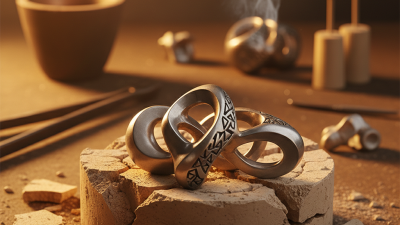
Lost wax casting, an ancient method for creating metal objects, has a rich history. This technique dates back over 5,000 years. Origins can be traced to ancient civilizations in Mesopotamia and Egypt. Artisans used beeswax models, covered in clay, to form molds. Once heated, the wax melted and drained away, leaving a cavity for molten metal. This process allowed for highly detailed designs and complex shapes.
Modern applications of lost wax casting demonstrate the technique’s adaptability. Artists and manufacturers continue to use it for intricate pieces. The precision it offers is often unmatched by other methods. Each piece is unique, reflecting traditional craftsmanship and innovation.
Tip: When exploring lost wax casting, consider the type of metal you want to use. Different metals can affect the final appearance and durability of the piece.
Evidence shows that artisans can replicate ancient methods. However, some techniques may not have been perfectly documented. This creates room for interpretation, which can lead to both unique and flawed results. Each casting reveals the artist’s touch, but variations in temperature and materials can introduce imperfections.
Tip: Keep a detailed record of your casting process. This helps in understanding what works and what needs improvement. It’s a journey filled with learning and discovery, rich with both success and challenges.
The Step-by-Step Process of Lost Wax Steel Casting
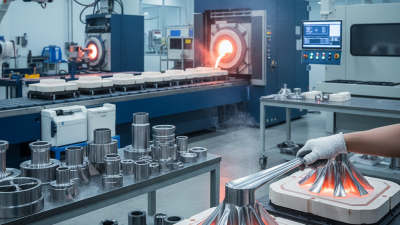
Lost wax steel casting is a unique process that offers precision and versatility. The journey begins with creating a wax model of the desired item. This model is carefully crafted to detail. Once complete, it's coated in a ceramic shell, which is then heated. This heating removes the wax, leaving a cavity in the shape of the model.
Next, molten steel is poured into the cavity. This must be done with great care to avoid imperfections. Once the steel cools, the ceramic shell is broken away, revealing the cast piece. The detailing captured during the wax phase is often remarkable. However, the process requires strict attention to detail. Any flaws in the wax model can lead to defects in the final product.
Tips: Always inspect your wax model thoroughly. Small errors can escalate quickly. Regularly maintain your tools to ensure they perform at their best. Remember, precision is key in every step. Be prepared for some trial and error to achieve the perfect casting. Achieving consistency may take time, but it's worth the effort for high-quality results.
Advantages and Applications of Lost Wax Steel Casting
Lost wax steel casting, also known as investment casting, is a remarkable manufacturing process. It allows for the creation of intricate shapes and designs. This method has gained traction in various industries, including aerospace, automotive, and medical equipment. A report by MarketsandMarkets indicates that the global investment casting market is projected to reach $26.7 billion by 2026, highlighting its growing importance.
One of the significant advantages of lost wax casting is the ability to produce highly complex parts with fine details. This process results in minimal waste, which is beneficial for both cost efficiency and environmental sustainability. According to a study by the American Foundry Society, the repeatability of this method ensures that parts meet strict tolerance requirements. However, the long lead times for mold creation can be a limitation. This trade-off demands careful planning to meet production schedules.
Applications of lost wax steel casting are vast. The aerospace industry often utilizes this method for turbine blades and engine components. In the medical field, precision parts like prosthetic devices are crafted using this technique. Despite its advantages, the high initial setup cost can be a barrier for small manufacturers. Thus, companies must weigh the long-term benefits against upfront investments carefully. The versatility of lost wax casting continues to make it a preferred choice in specialized sectors.
What is Lost Wax Steel Casting and How Does it Work? - Advantages and Applications of Lost Wax Steel Casting
| Aspect |
Details |
| Process Description |
Lost wax casting involves creating a wax model, covering it in a ceramic shell, melting the wax to create a mold, and then pouring molten steel into the mold. |
| Materials Used |
Wax, ceramic materials, steel alloys. |
| Advantages |
High precision, excellent surface finish, complex geometries, and minimal waste. |
| Applications |
Aerospace components, medical devices, automotive parts, art sculptures, jewelry. |
| Environmental Impact |
Lower waste compared to traditional casting methods, though the process involves energy-intensive steps and the use of chemicals in shell production. |
| Process Steps |
1. Create a wax model
2. Apply ceramic shell
3. Melt and remove wax
4. Pour molten steel
5. Remove ceramic shell and finish part. |
| Cost Considerations |
Typically higher initial setup costs, but cost-effective for small and medium production runs. |
Common Materials Used in Lost Wax Steel Casting
Lost wax steel casting is a fascinating process, and the materials used play a crucial role in shaping the final product. Generally, steel alloys are commonly used due to their durability and ability to maintain intricate details. Common steel types include low-carbon steel, which is easier to manipulate, and stainless steel, known for its corrosion resistance. These materials can withstand the high temperatures required during casting while producing fine details in the molds.
The wax pattern is another key component. Typically, paraffin wax is preferred for its melting characteristics. When heated, it flows easily and allows for precise replication of the design. Alternatives like thermoplastic wax can enhance mold fidelity too. The choice of these materials affects the final product's performance and appearance. Some materials may not bond well or might create unwanted flaws.
In addition to the primary materials, additives may enhance the steel's properties during casting. Elements like chromium can improve strength, while nickel and molybdenum can offer better toughness. However, balancing these additives can be tricky. Too much can compromise quality, while too little may not yield the desired results. Attention to detail in material selection is essential, despite the potential for imperfections. Understanding the properties of each material ensures better outcomes in the casting process.