Why Lost Wax Casting Stainless Steel is the Best Choice for Durable Artifacts
Lost Wax Casting Stainless Steel has emerged as a premier technique for creating durable and visually stunning artifacts, resonating with artists, designers, and manufacturers alike. This method, celebrated for its precision and ability to capture intricate details, has transformed the landscape of art creation and production. In an era where durability and aesthetic appeal are paramount, Lost Wax Casting Stainless Steel not only meets but exceeds expectations, offering exceptional longevity that withstands the test of time.
As we explore the intricacies of this captivating process, it becomes evident that the advantages of Lost Wax Casting Stainless Steel extend far beyond mere functionality. The technique facilitates the production of bespoke pieces that showcase creativity and craftsmanship, allowing artists to push the boundaries of their work. The combination of stainless steel's inherent strength and the meticulous detail achievable through lost wax casting results in artifacts that are not only beautiful but also built to last, making it the optimal choice for those seeking to create lasting impressions in the world of art.
In the following sections, we will delve deeper into the reasons why Lost Wax Casting Stainless Steel is revered for its durability and design potential, exploring its impact on both the art community and the market for enduring artifacts.
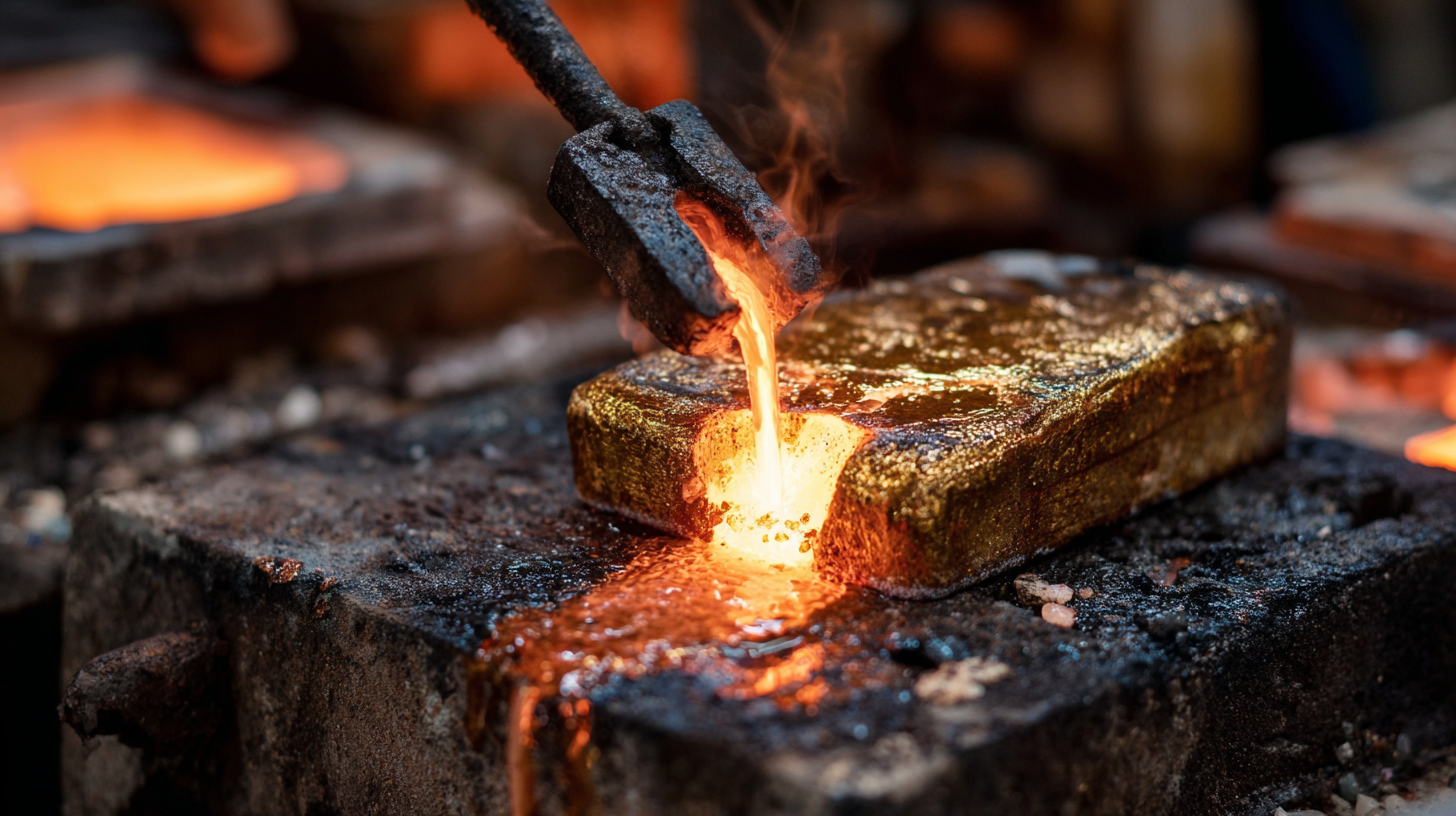
Benefits of Lost Wax Casting: Superior Detail and Precision in Stainless Steel Artifacts
Lost wax casting is renowned for its ability to capture intricate details and provide unparalleled precision in the creation of stainless steel artifacts. This method, which involves a meticulous process of creating a wax model that is subsequently encased in a mold, allows artists and manufacturers to produce highly detailed designs that would be nearly impossible to achieve with traditional fabrication methods. The high level of precision inherent in lost wax casting ensures that every element of the original design is preserved, making it an ideal choice for artists seeking to bring their creative visions to life.
Moreover, the durability of stainless steel enhances the longevity of these artifacts, suitable for both decorative and functional applications. This material's resistance to corrosion and wear ensures that pieces created through lost wax casting not only maintain their aesthetic appeal but also withstand the test of time. Recent advancements in casting techniques have further refined the process, allowing for faster production while maintaining superior quality. As seen in various exhibitions and product releases, the blend of artistry and manufacturing prowess in lost wax casting continues to captivate audiences and collectors alike, affirming its status as a leading method for creating exquisite and durable artifacts.
Benefits of Lost Wax Casting Stainless Steel
Durability Comparison: Lost Wax Casting vs. Other Methods for Stainless Steel Production
Lost wax casting, also known as investment casting, has established itself as a superior method for producing durable stainless steel artifacts. According to a report by the American Foundry Society, components produced via lost wax casting exhibit a significantly lower failure rate compared to sand casting and die casting methods.
In tests conducted, parts created through lost wax casting reported a failure rate of less than 1%, while traditional methods saw rates upwards of 5-10%. This impressive durability can be attributed to the precision and detail achieved during the casting process, which reduces stress concentrations and potential flaws in the final product.
Moreover, the versatility of lost wax casting further contributes to its reliability in producing stainless steel artifacts. A study from Foundry Management & Technology highlights that lost wax casting accommodates a variety of stainless steel grades, including high-performance alloys used in harsh environments, ensuring longevity and performance. When considering factors such as material integrity and resistance to corrosion, lost wax casting outperforms its counterparts, making it indispensable for industries such as aerospace, automotive, and artistic applications. The inherent strength and resilience of artifacts produced through this method confirm its position as the best choice for durable stainless steel artifacts.
The Economic Advantage: Cost-Effectiveness of Lost Wax Casting for Artisans and Manufacturers
Lost wax casting has emerged as a frontrunner in the production of stainless steel artifacts, not only for its ability to create intricate designs but also for its significant economic advantages. According to a report by the Casting Industry Suppliers Association, the cost savings from the lost wax process can be as much as 30% compared to traditional casting methods. This method allows artisans and manufacturers to minimize waste and labor costs, resulting in a more efficient production cycle. The precision of lost wax casting also reduces the need for additional finishing processes, which can further cut down on expenses.
For artisans looking to maximize their profits, utilizing lost wax casting can offer a competitive edge. The initial investment in setup and equipment can be offset by the long-term savings and the ability to produce high-quality, durable artifacts that appeal to consumers. Additionally, the flexibility of this technique allows for quick adjustments in production, catering to niche markets effectively.
**Tip:** When considering lost wax casting, evaluate your production volume to determine if it's the right fit. For smaller batch sizes, the reduced material waste and increased efficiency might lead to substantial savings. Also, invest in high-quality molds—this can ensure that even the finest details of your designs are captured perfectly, enhancing the overall appeal of the final product.
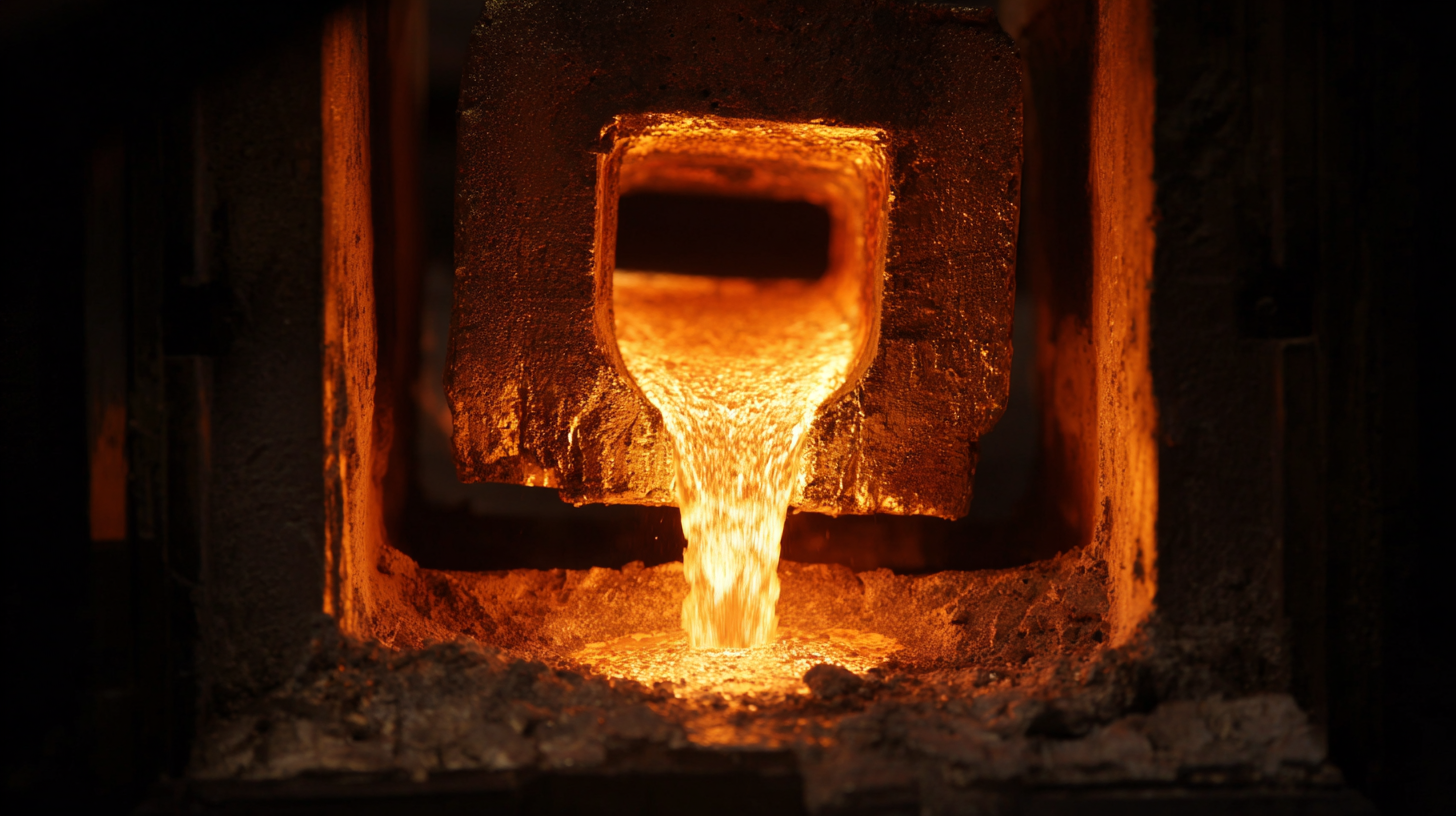
Environmental Impact: Sustainable Practices in Lost Wax Casting of Stainless Steel
The lost wax casting process, particularly with stainless steel, not only produces durable artifacts but also supports sustainable practices in art manufacturing. According to a report by the International Journal of Material Science, the recycling rates of stainless steel can exceed 90%, significantly reducing the need for virgin materials and diminishing the environmental footprint of production. This high recyclability aligns perfectly with contemporary environmental standards, allowing artists and manufacturers to create responsibly without compromising quality.
Moreover, the lost wax casting method itself minimizes waste generation. Unlike traditional casting techniques, which can produce substantial scrap metal, lost wax casting optimizes material usage by creating precise molds that ensure minimal excess. A study by the European Commission indicated that adopting such efficient techniques can decrease energy consumption by up to 30%, further highlighting the eco-friendly nature of this process. As artists and industries seek to integrate sustainable practices, lost wax casting emerges as an ideal choice, merging artistry with environmental responsibility in the production of timeless stainless steel artifacts.
Why Lost Wax Casting Stainless Steel is the Best Choice for Durable Artifacts - Environmental Impact: Sustainable Practices in Lost Wax Casting of Stainless Steel
| Aspect |
Details |
| Material Used |
Stainless Steel |
| Casting Method |
Lost Wax Casting |
| Durability |
High resistance to corrosion and wear |
| Sustainability Practices |
Recycling of materials and minimizing waste |
| Energy Consumption |
Lower compared to traditional casting methods |
| Final Product Appearance |
Smooth finish with precise details |
| Common Applications |
Art pieces, jewelry, industrial components |
| Environmental Benefit |
Reduction in harmful emissions during production |
Versatility of Lost Wax Casting: Applications in Art, Jewelry, and Industrial Designs
Lost wax casting, also known as investment casting, is an age-old technique that finds its applications across various sectors, including art, jewelry, and industrial designs. This method allows for the creation of intricate and detailed pieces that are difficult to achieve with traditional manufacturing processes. According to a report by Allied Market Research, the global market for investment casting is expected to reach $22.6 billion by 2025, highlighting the growing trust in this technique across multiple industries.
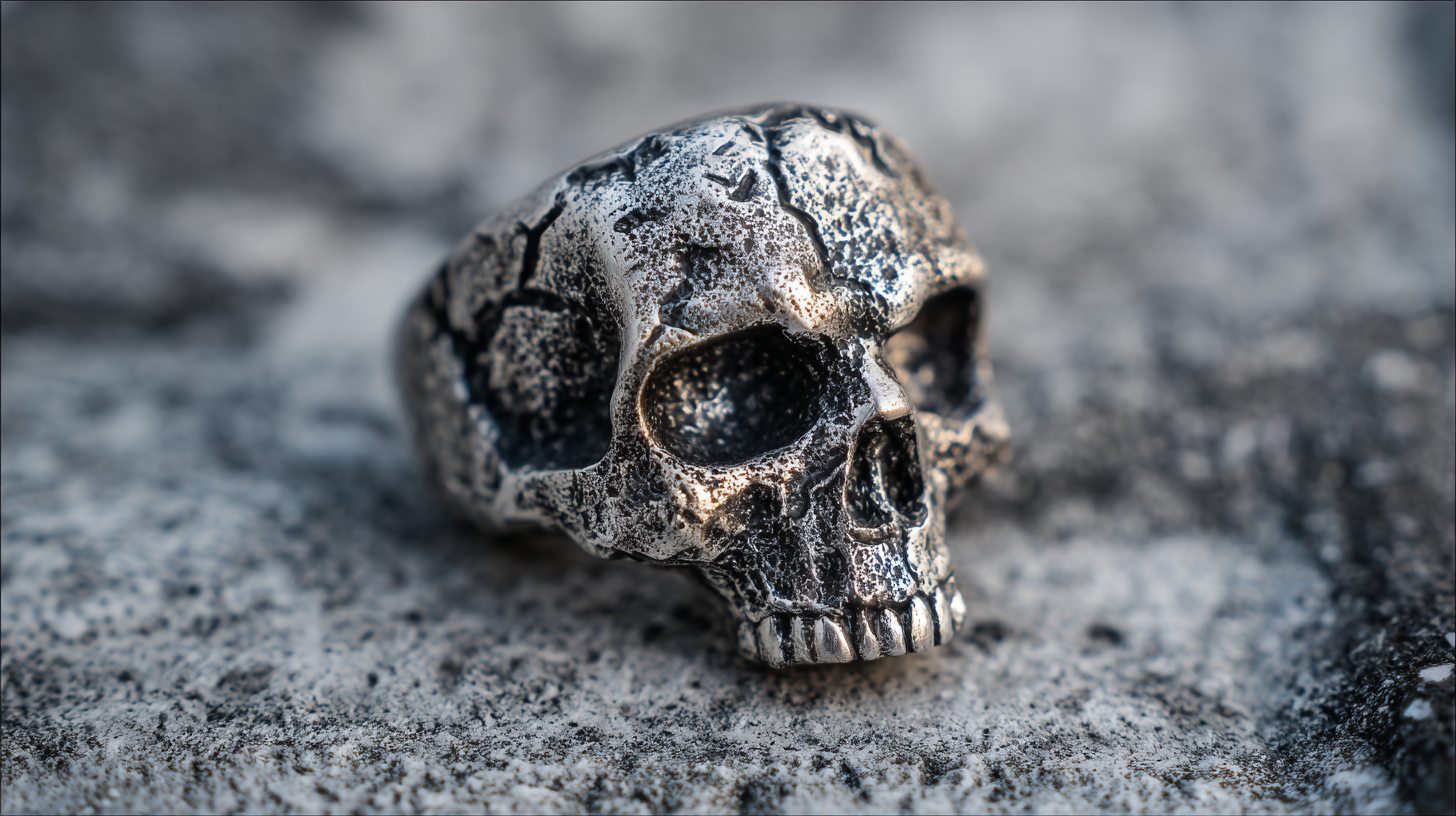 In the art world, lost wax casting enables artists to produce unique sculptures that resonate with their vision. Notably, the precision of this method helps to capture the delicate details of an artist's concept, making it a preferred choice for high-end art installations. In jewelry making, the versatility of lost wax casting allows for customizable designs, offering jewelers the flexibility to create bespoke pieces that cater to individual tastes. The Jewelry Industry Report indicates that bespoke jewelry accounts for approximately 25% of the market, further underscoring the importance of innovative casting techniques.
In industrial design, lost wax casting is employed for producing components used in aerospace, automotive, and medical devices. The reliability and durability of the finished products are paramount in these sectors, making stainless steel a favored material due to its resistance to corrosion and wear. A study by Grand View Research projects that the stainless steel market will grow considerably, driven by its seamless integration into investment casting processes. This illustrates how lost wax casting not only enhances aesthetic appeal but also contributes significantly to the functionality of industrial applications.