How to Create Stunning Lost Wax Casting Stainless Steel Masterpieces?
Lost Wax Casting Stainless Steel is a captivating art form that combines precision with creativity. This ancient method allows artists to bring intricate designs to life through a meticulous process. Each step in the lost wax casting process requires attention to detail and skill. The journey begins with crafting a model, often made of wax, that embodies the artist's vision.
The transition from wax to stainless steel is remarkable. A mold is created from the model, capturing every curve and line. This part can be challenging. Mistakes in molding can lead to flaws in the final piece. Artists must learn from these experiences to improve their techniques.
Once the mold is prepared, molten stainless steel fills the void left by the wax. This transformation results in stunning sculptures that showcase both strength and elegance. However, achieving perfection isn't always possible. Sometimes, unexpected outcomes can teach valuable lessons. Embracing these imperfections can lead to unique masterpieces. Harnessing the potential of Lost Wax Casting Stainless Steel means embracing creativity while refining skills continuously.
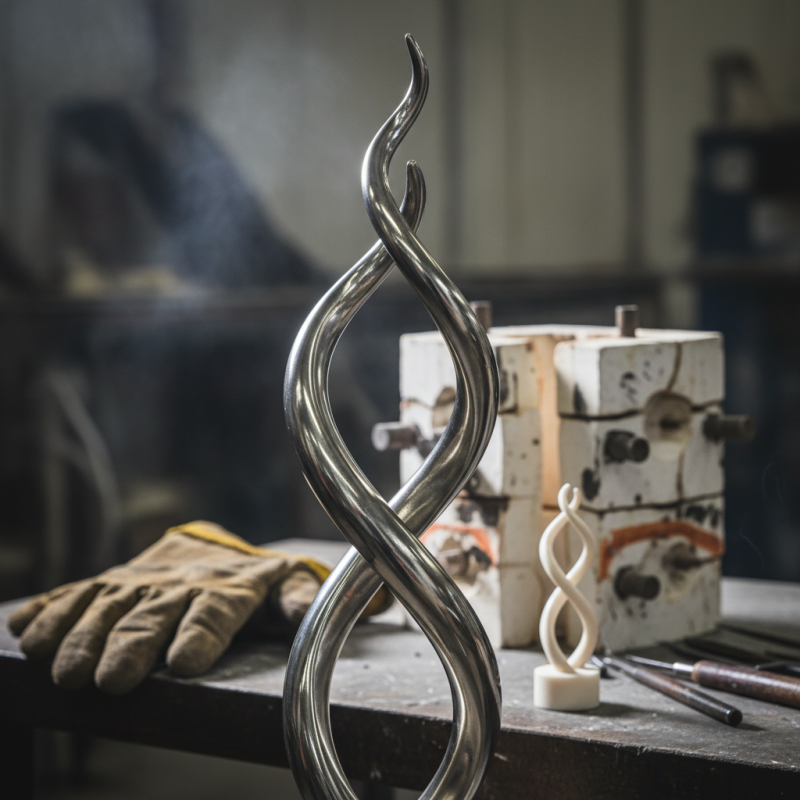
Understanding the Lost Wax Casting Process for Stainless Steel
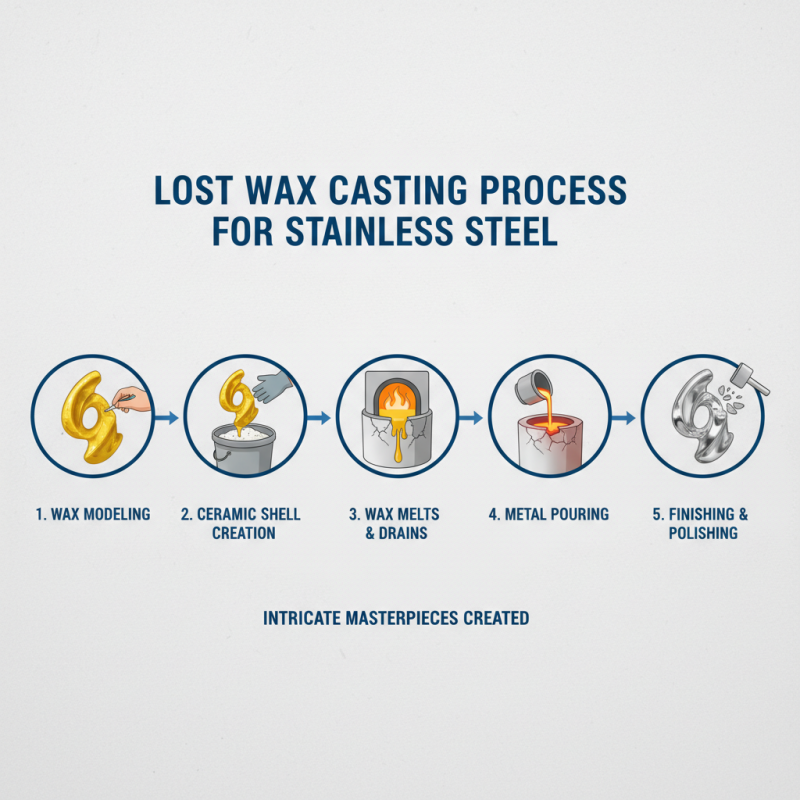
Lost wax casting is an ancient technique used to create intricate stainless steel masterpieces. This process begins with a model, often made from wax, which is meticulously crafted to the desired design. Once the model is complete, it is coated in a ceramic shell. The heat from this shell melts the wax, allowing it to drain away. This step is crucial, as it determines the final shape of the metal piece.
After the wax is removed, the empty shell can withstand high temperatures. The stainless steel is then poured into the mold. Careful attention is required, as the steel must be precisely heated to achieve the right consistency. Controlling the temperature ensures that the steel fills every detail of the mold. The cooling process can also present challenges; uneven cooling may cause cracks or imperfections in the final piece.
Finishing touches are necessary in this process. After the steel has cooled and solidified, the ceramic shell is broken away. This reveals the beautiful stainless steel form. Polishing and surface treatment enhance its shine and durability. The journey from wax to steel is complex and requires both skill and patience, ultimately resulting in stunning artwork that reflects the intricacies of the lost wax method.
Materials Required for Lost Wax Casting of Stainless Steel
Lost wax casting is an ancient technique still revered today, especially for stainless steel masterpieces. It requires specific materials to achieve the desired results. One crucial element is the wax itself. This wax, often paraffin-based, must have a low melting point. Typically, commercial-grade wax with a melting range of 60-70 degrees Celsius works well.
In addition to wax, a high-quality investment material is essential. A mixture of silica and plaster creates the mold. Industry standards suggest a 50:50 ratio for optimal strength and stability. Proper mixing is vital; if air is trapped, it can compromise the mold’s integrity.
Moreover, the choice of stainless steel also plays a significant role. Stainless steel grades like 304 and 316 are most commonly used due to their excellent corrosion resistance and strength. Recent studies indicate that over 70% of artisans prefer these grades for lost wax casting. They provide a perfect finish but require careful temperature control during pouring. A frequent oversight is ignoring cooling times. Rushing this step leads to flaws in the final piece. Experienced artisans recommend cooling time adjustments based on mold size and complexity to mitigate this issue.
How to Create Stunning Lost Wax Casting Stainless Steel Masterpieces?
| Material |
Description |
Quantity Needed |
| Wax |
Used to create the original model for casting. |
500 grams |
| Stainless Steel |
The metal material used for the final casting. |
1 kg |
| Investment Plaster |
Used to create the mold around the wax model. |
2 kg |
| Burnout Furnace |
Equipment for melting out the wax and curing the mold. |
1 unit |
| Casting Flask |
Container for holding the investment mold during metal pouring. |
1 unit |
| Foundry Tools |
Tools for handling molten metal, such as tongs and ladles. |
1 set |
| Safety Gear |
Safety equipment, including gloves, goggles, and aprons. |
1 set |
Step-by-Step Guide to Creating a Wax Model for Casting
Creating a wax model for lost wax casting requires precision and creativity. Start with
quality wax. Choose a type suitable for your project.
Soft wax allows for intricate details, while harder wax provides more durability during modeling.
The right choice can make a significant difference.
Begin shaping your wax. Use simple tools like knives, brushes, and a heat source. These tools help achieve the
desired details. Pay attention to texture and form. It's easy to overlook
small imperfections. These flaws can affect the final cast.
Take your time to refine every aspect of your model.
After the shaping is complete, ensure the surface is smooth. Any rough edges can create problems
during the casting process. Rethink areas that seem too thick or uneven. A balanced approach leads
to a better outcome. Remember, the journey of creating is just as important as the end result.
Mistakes can provide valuable lessons and spark new ideas for improvement.
Techniques for Investment and Casting of Stainless Steel
The investment casting process for stainless steel is both intricate and rewarding. This technique has been widely recognized for its precision and ability to create intricate designs. According to a report by the ASTM, stainless steel castings can achieve dimensional tolerances of ±0.005 inches. This level of accuracy is appealing for artists and manufacturers alike. However, achieving such precision requires meticulous preparation.
Investing in the right materials is crucial. High-quality ceramic molds are often used for the investment process. These molds withstand high temperatures and can capture fine details. However, the initial setup can be challenging. The investment material must be mixed correctly, and any inconsistencies can lead to defects in the final casting. Even experienced artisans occasionally face failures in this stage, prompting them to refine their techniques continuously.
Once the casting is complete, post-processing remains essential. This step often involves sandblasting or grinding to achieve the desired finish. A report from the Metal Casting Industry shows that proper finishing processes can enhance corrosion resistance and surface quality significantly. Still, these methods require a keen eye and a steady hand, as mistakes can mar the final masterpiece. The journey of creating excellent stainless steel castings is filled with challenges, reminding artists of the importance of patience and continual learning.
Finishing and Polishing Your Stainless Steel Masterpiece After Casting
Finishing and polishing your stainless steel masterpiece after casting is a crucial step in the lost wax casting process. This stage enhances the piece's visual appeal and increases its durability. Start by inspecting your cast thoroughly. Look for any imperfections like rough edges or surface blemishes. You may need to use a file or sandpaper to smooth these areas. It requires patience and attention to detail.
Next, focus on polishing techniques. Employ a variety of grits when sanding, starting with a coarser grit and gradually moving to finer ones. This gradual approach allows for a smoother finish. After sanding, a metal polish can help bring out the shine in your stainless steel piece. However, be cautious; excessive polishing can sometimes lead to unwanted scratches. Use a soft cloth during this process to maintain the quality of the surface.
After achieving your desired finish, it’s essential to clean your piece properly. Any remaining polishing residue can dull the shine over time. Regular maintenance can also be an area for reflection. Consider how often you’ll need to polish your work. Each piece may behave differently, requiring a unique approach. The balance between achieving perfection and allowing the work to breathe is key to creating stunning masterpieces.
Stainless Steel Polishing Techniques and Time Required