How to Choose Precision Casting Components for Your Projects?
In the realm of manufacturing, choosing the right Precision Casting Components is vital for project success. According to a report by Smith & Associates, the precision casting market is expected to reach $25 billion by 2025, growing at a CAGR of 5.2%. This growth underscores the importance of informed decisions in selecting components. Industry expert Dr. Emily Chen states, "Precision Casting Components play a critical role in determining the performance and reliability of finished products."
It's not merely about choosing any component. Each decision impacts overall efficiency and cost-effectiveness. Factors like material properties, manufacturing techniques, and tolerances require careful consideration. Poor choices can lead to flawed designs and unexpected project delays. The intricacies involved often challenge even seasoned professionals. As the industry evolves, so do the standards for these components. Updated knowledge and adaptive strategies are essential for success.
Attention to detail in selecting Precision Casting Components can elevate project outcomes. However, mistakes are common. They often stem from overlooked specifications or inadequate supplier evaluations. Reflecting on these missteps can guide future decisions. Prioritizing meticulous research will ultimately lead to better project results.

Understanding Precision Casting and Its Applications
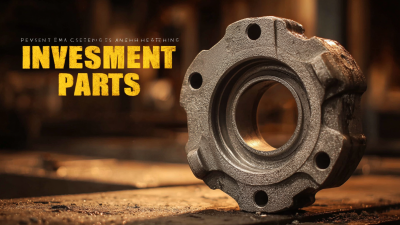
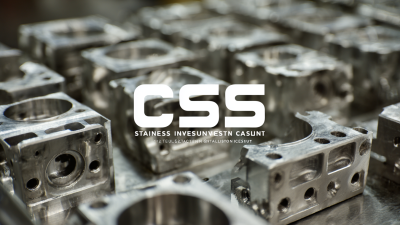
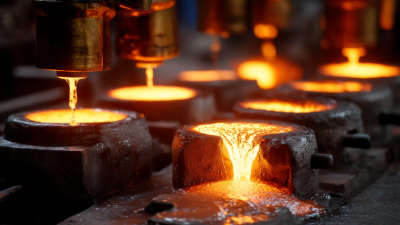
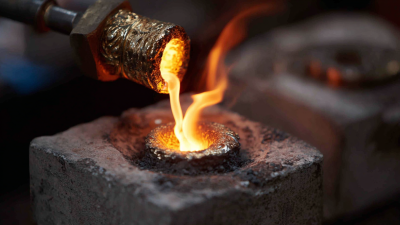
Precision casting is a manufacturing process that creates detailed components for various industries. It involves pouring molten metal into a mold to achieve intricate shapes. This technique is vital for producing items like turbine blades, automotive parts, and medical devices. The precision of this process ensures that even the smallest details are captured, which is critical in many applications.
Understanding precision casting can help you make informed decisions for your projects. For instance, you need to consider the type of metal, the complexity of the design, and the intended use of the component. Experimenting with different materials can yield varying results. Sometimes, the best results come from unexpected choices. Flaws can arise if the design isn't specified correctly. Draft angles and tolerances must be carefully considered to avoid issues during production. Each project offers a learning opportunity, inviting you to refine your approach for better outcomes.
Precision Casting Components Usage in Various Industries
Evaluating Material Options for Precision Casting Projects
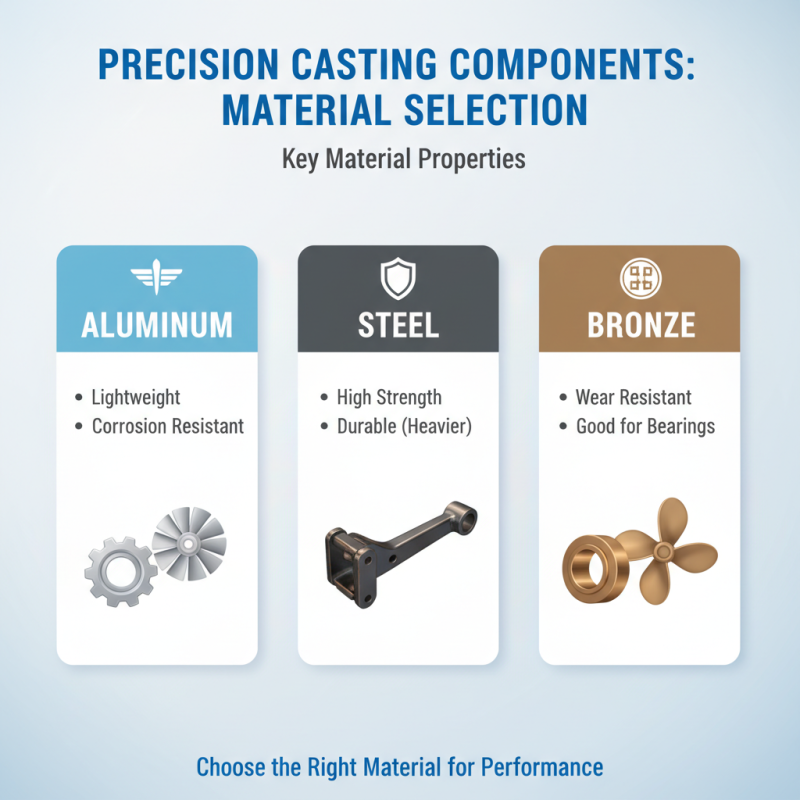
When it comes to precision casting projects, selecting the right materials is critical. Various options are available, each offering unique properties. For example, aluminum alloys are lightweight and corrosion-resistant, while steel provides high strength. Research indicates that over 40% of casting failures arise from material mismatches. Understanding the specific requirements of your project is vital.
Tip: Always consider the environmental conditions where the component will be used. This can significantly affect performance and durability. For instance, components in high-temperature environments may need special alloys to prevent deformation or failure.
Additionally, know the trade-offs. Higher-quality materials often come with increased costs. However, they can lead to reduced production failures, saving resources in the long run. A report found that improper material selection can inflate project costs by 25%. Examine the specifications carefully and think about your project's end goals.
Tip: Engage with material suppliers early in the process. Their insights can guide you toward informed decisions. Leverage their expertise to navigate challenges and improve outcomes. Precision casting can yield excellent results when the right materials are chosen. Careful evaluation is the key to a successful project.
Assessing Tolerances and Specifications in Casting Components
When selecting precision casting components, assessing tolerances and specifications can be challenging. Precision casting often demands strict adherence to measures. According to the American Society for Quality, maintaining tolerances can impact product performance by as much as 20%. Identifying the right tolerances is crucial for functionality and durability.
Different industries have varying tolerance requirements. For instance, the automotive sector may require tighter tolerances than consumer goods manufacturing. A report from the National Institute of Standards and Technology highlights that almost 30% of defects in cast components stem from improper tolerance specifications. Engaging with experienced engineers is essential, but relying solely on their expertise can lead to oversight.
Some projects might not provide clear specifications upfront. This ambiguity can lead to miscommunication between teams. It’s critical to have detailed documentation to convey expectations clearly. Without proper documentation, misunderstandings arise. Many engineers find themselves revisiting tolerance levels mid-project, adding stress and potential delays. Fine-tuning these aspects while maintaining quality can be a journey of discovery, sometimes more trial and error than straightforward execution.
Cost-Effectiveness and Supplier Selection for Precision Casting
When selecting precision casting components, cost-effectiveness is crucial. The right supplier can significantly impact your project's budget. A lower-priced component may save money initially, but hidden costs can arise. Be cautious. Analyze materials, manufacturing processes, and post-treatment options. All these factors can affect overall costs.
Supplier selection is equally important. Look for experienced suppliers who understand your industry. Ask for samples or prototypes. Evaluating quality can prevent costly mistakes later. Trust is essential. However, relying solely on relationship and pricing can be misleading. Sometimes, long-term partners may not deliver the best value.
Don’t ignore communication. A supplier who listens to your needs can make a difference. Discuss timelines and flexibility openly. Unexpected issues can arise. Reflecting on past experiences with suppliers can help you make better choices in the future. Choosing wisely can lead to successful outcomes, but it requires careful thought.
How to Choose Precision Casting Components for Your Projects? - Cost-Effectiveness and Supplier Selection for Precision Casting
| Component Type |
Material |
Application |
Cost per Unit ($) |
Supplier Lead Time (weeks) |
Quality Rating (out of 5) |
| Steel Casting |
Carbon Steel |
Automotive Parts |
50 |
4 |
4.5 |
| Aluminum Casting |
Aluminum Alloy |
Electronics Enclosures |
75 |
3 |
4.7 |
| Iron Casting |
Ductile Iron |
Plumbing Fittings |
30 |
5 |
4.2 |
| Bronze Casting |
Bronze Alloy |
Marine Hardware |
100 |
6 |
4.8 |
| Zinc Casting |
Zinc Alloy |
Decorative Items |
40 |
2 |
4.3 |