Why Choose a Prefab Container House for Your Next Home?
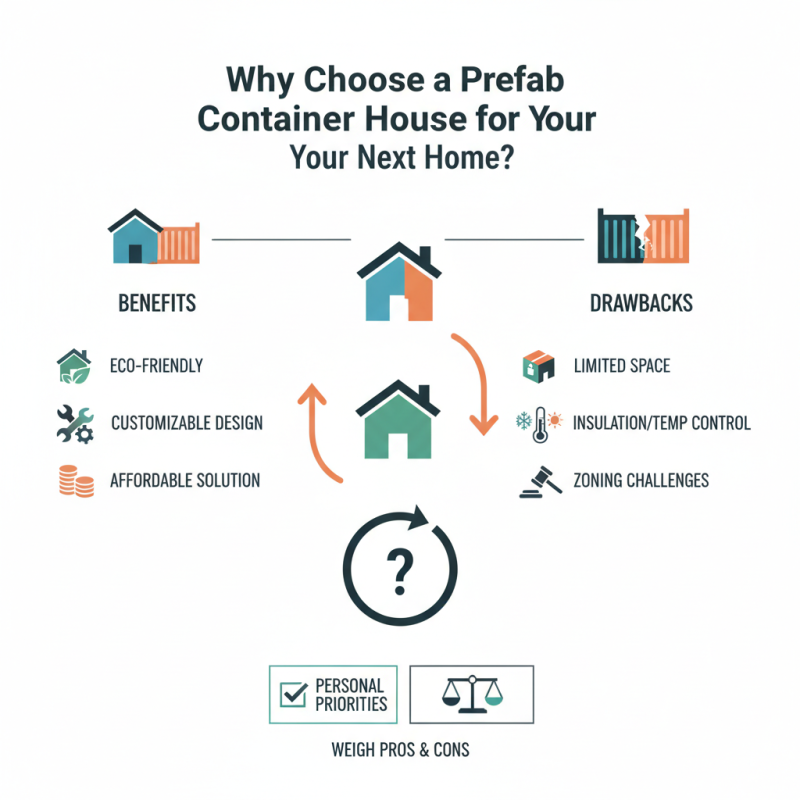
In recent years, the Prefab Container House has gained popularity as a modern housing option. This innovative design combines functionality and versatility, making it appealing to diverse lifestyles. A Prefab Container House can be customized to fit personal taste and needs.
Many appreciate its eco-friendly aspects. Reusing shipping containers reduces waste and promotes sustainability. However, it's essential to remember that not every design suits everyone's lifestyle. Some may find the limited space constricting or feel concerned about insulation and temperature control.
Choosing a Prefab Container House requires reflection on personal priorities. While it offers an affordable solution, potential homeowners should weigh downsides too. Space constraints and local zoning laws might pose challenges. In the end, understanding both benefits and drawbacks is vital in making a well-informed decision.
Advantages of Prefab Container Houses Compared to Traditional Homes
Prefab container houses offer unique benefits that make them appealing compared to traditional homes. One significant advantage is affordability. These homes generally cost less to produce. Many people can build their dream home without going into debt. The efficiency of construction also plays a vital role. Prefab houses can be assembled much faster than conventional homes. This speed means people can move in sooner.
The environmental impact of prefab container homes is another strong point. They often use recycled materials, minimizing waste. Additionally, they can be designed to be energy-efficient. This can lead to lower utility bills over time. Some designs even incorporate solar panels. However, it’s essential to consider the space. Living in a smaller area can feel cramped for some. Thoughtful design is necessary to maximize comfort.
Customization is also a double-edged sword. While many options exist, it can be overwhelming. People may struggle to choose among various layouts and finishes. The process can take longer than expected. Yet, the possibility of creating a unique living space can be very rewarding. Balancing practicality with personal style is key.
Design Flexibility and Customization Options for Container Homes
Prefab container homes are gaining popularity for their unique design flexibility. Homeowners can opt for various floor plans. Customization is key in creating a space that truly reflects personal tastes. Reports indicate that nearly 70% of buyers prioritize customization when choosing their living environments. This growing trend shows that modern homeowners want more than just a basic structure.
Container homes can be transformed into artistic masterpieces. Features like large windows and open-concept designs are becoming common. Adding green roofs or solar panels is also on the rise. These options reduce environmental impacts while enhancing aesthetics. However, achieving the desired look may require more investment and time than initially planned.
Tips: Consider what features matter most to you. Make a list of must-have elements before starting the design process. Be prepared for adjustments along the way. Some dreams may be harder to realize than expected, but exploring alternatives can lead to unexpected results. Balancing creativity with practicality is essential. Embrace the possibilities, but stay realistic about your budget and time.
Sustainability and Environmental Benefits of Using Shipping Containers
Choosing a prefab container house is not just about cost efficiency, but also about sustainability. Shipping containers are repurposed materials. They reduce the need for new building materials. This process leads to fewer resources consumed. According to the World Economic Forum, construction accounts for 39% of global carbon emissions. By using containers, we can decrease this impact.
When constructing a container home, the potential for waste reduction is significant. Each container reused saves approximately 3,000 kg of steel from production. This not only helps the environment but often translates to lower construction costs. By choosing recycled materials, homeowners can contribute to a circular economy while crafting unique living spaces.
Tip: Think about insulation. Proper insulation is crucial for energy efficiency in container homes. Poor insulation leads to higher energy bills. Another tip: consider local climate when designing. Tailoring your container home to its environment maximizes comfort and sustainability. Using eco-friendly energy sources can further enhance your home's efficiency. However, sourcing these options may require research and adjustments.
Environmental Benefits of Prefab Container Houses
Cost-Effectiveness: Budgeting for a Prefab Container Home
Building a prefab container house can be a smart financial decision. According to recent industry reports, the average cost of a traditional home has skyrocketed to over $300,000. In contrast, a prefab container home costs between $10,000 and $50,000. This significant cost-saving opportunity makes container homes appealing for budget-conscious individuals.
While the initial savings are clear, homeowners should also budget for additional expenses. Site preparation, insulation, and plumbing can add up. On average, these costs can range from $5,000 to $20,000. Understanding these hidden costs is crucial. Some homeowners overlook permits and utility connections, which can lead to unexpected bills.
**Tip:** Always review local zoning laws. Not every area permits prefab construction, which could halt your project.
Confusion often arises when deciding between custom designs and pre-made options. While custom models reflect individual taste, they generally come at a higher price point. Some clients regret not conducting thorough research on modular designs. Mistakes in choice can lead to a home that doesn't fully meet their lifestyle needs.
**Tip:** Consider attending local home shows to explore different options and connect with builders. It’s a practical way to assess what fits within your vision and budget.
Quick Assembly and Relocation Benefits of Container Living Solutions
Prefab container houses have gained popularity for their quick assembly benefits. Constructing a home from shipping containers can take days rather than months. Builders can easily stack or arrange them as needed. This flexibility allows for creative designs that fit various lifestyles. Some may find the aesthetics limited, but it often fosters unique and modern looks.
Relocation is another appealing aspect of container living. If life changes, moving a prefab home is relatively simple. Just a truck and some planning can shift your home to a new location. However, this process can be tricky and might require professional help. Not everyone finds this method cost-efficient. Thus, reflecting on individual needs is essential. Consider factors like land access and local zoning laws. Container living offers intriguing aspects, but it’s important to weigh both benefits and challenges.