Leave Your Message

China Top 10 Steel Investment Casting Suppliers

Choosing the right supplier requires more than comparing website claims. China’s steel foundry sector includes experienced manufacturers, specialized workshops, and rapidly developing exporters. This guide examines China Top 10 Steel Investment Casting Suppliers through practical evidence, not reputation alone. It considers alloy capability, casting size, surface finish, machining support, export experience, and quality controls.

A dependable supplier should explain its process clearly. Look for wax pattern production, ceramic shell building, dewaxing, pouring, heat treatment, and final inspection. Factory details matter. A clean shell room, labeled material batches, calibrated gauges, and documented inspection records reveal daily discipline. Certifications can support credibility, but they do not replace technical conversations or sample evaluation. Ask for chemical analysis, mechanical test results, dimensional reports, and traceability from raw steel to shipped components.

This overview also considers industries using Steel Investment Casting, including pumps, valves, energy equipment, food machinery, and industrial automation. Each supplier may fit a different project. One may offer strong engineering support, while another may provide better pricing for repeated orders. No list is perfect. Rankings can change with capacity, management, equipment, and customer service. Some information may require direct confirmation from the supplier. Readers should verify current certifications, lead times, minimum order quantities, and production locations before making a decision. The goal is practical comparison, not blind promotion. A promising sample still needs testing. That matters.
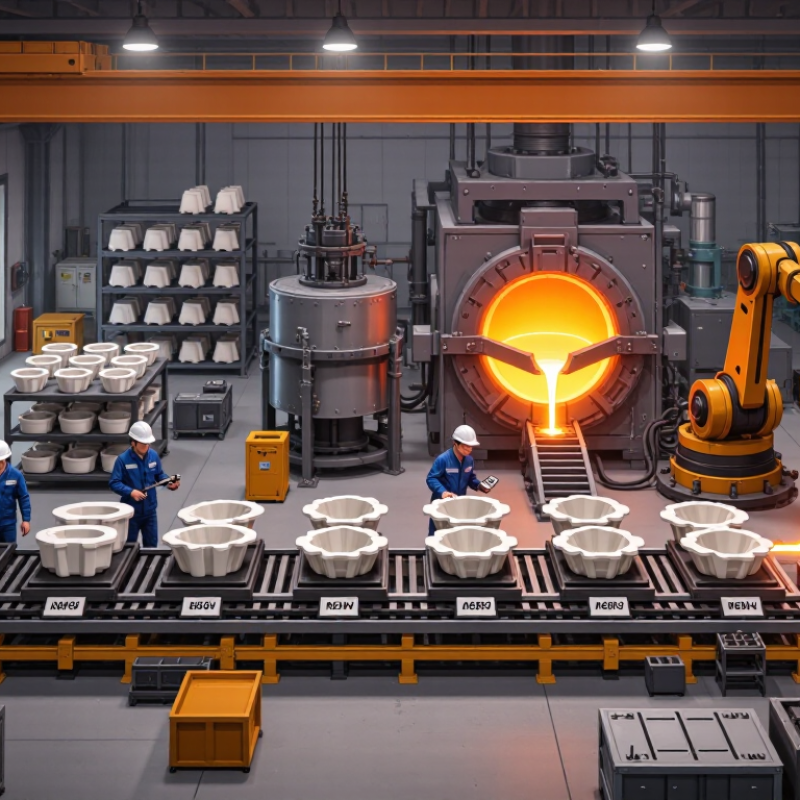
China Top 10 Steel Investment Casting Suppliers

What Is Steel Investment Casting?

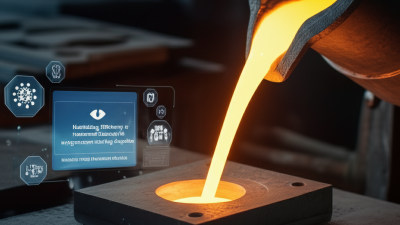
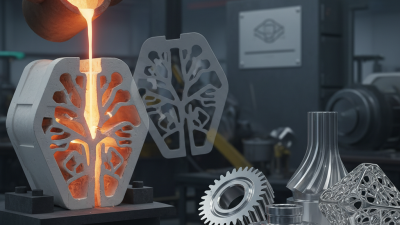
Steel investment casting is a manufacturing process that creates precise steel components from disposable wax patterns. A ceramic shell forms around each pattern. The wax melts away, leaving a detailed cavity for molten steel.

This method can produce complex shapes, thin walls, sharp profiles, and curved passages with fewer assembly parts. Carbon steel, alloy steel, and stainless steel are common material choices. Experienced foundry teams control wax temperature, shell thickness, pouring temperature, and cooling speed. Small errors can cause cracks, shrinkage, or surface defects. Quality checks may include dimensional inspection, hardness testing, and non-destructive examination.

Investment casting suits valves, pump parts, industrial tools, and engineered machinery components. It can reduce machining waste, but it is not a magic shortcut. Tooling costs and longer preparation times may concern buyers needing simple, large parts. Designers should allow for steel shrinkage and consider wall thickness before production. A technically attractive drawing can still be difficult to cast.

When comparing steel investment casting suppliers, review process capability, material traceability, inspection records, and sample quality. Ask how they manage ceramic shell defects and casting tolerances. Clear communication matters. A low quoted price may hide extra machining, repair work, or delayed testing. Supplier claims should be supported by measurable evidence, not polished promises.
Steel Investment Casting: Typical Mechanical Properties of Common Cast Steel Grades

Steel investment casting can produce complex, near-net-shape components for valves, pumps, machinery, and industrial equipment. The chart compares minimum tensile strength and yield strength values commonly specified for selected ASTM cast steel grades. Actual properties depend on heat treatment, section size, and applicable standard requirements.

Reference basis: typical minimum mechanical requirements associated with ASTM A216, ASTM A217, ASTM A351, and ASTM A352 cast steel specifications. Values are shown in MPa.

How China’s Steel Investment Casting Industry Is Organized

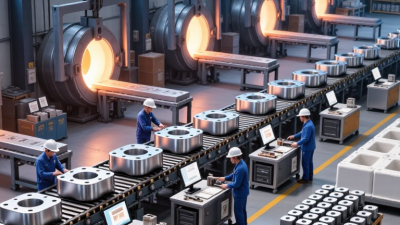
China’s steel investment casting industry is organized as a layered manufacturing network, not a single supplier group. Large foundries often combine pattern making, wax injection, ceramic shell production, heat treatment, machining, and inspection. Smaller workshops usually specialize in one or two stages. They may depend on nearby partners for X-ray testing, forging, or precision machining.

The scale is significant. The World Steel Association reported China produced about 1.005 billion tonnes of crude steel in 2024. This supports a broad material ecosystem for alloy steel, stainless steel, and heat-resistant grades. The China Foundry Association reported roughly 51.9 million tonnes of total casting output in 2023. However, this figure includes many casting methods, not investment casting alone. That distinction matters. Supplier directories often mix prototypes, mass production, and trading companies. A careful buyer should verify furnace capacity, certification scope, and actual inspection records.

Tips: Ask for a process flow, not only a product catalog. Check wax dimensions, shell layers, heat-treatment charts, and recent dimensional reports. During a plant visit, inspect storage conditions and traceability labels. Small gaps reveal large risks. Public data is useful, but incomplete. Even experienced buyers can misjudge a supplier when capacity figures are self-reported. Supplier selection should therefore compare evidence, process control, and response quality, rather than relying on price or website claims.

China Top 10 Steel Investment Casting Suppliers - How China’s Steel Investment Casting Industry Is Organized

Anonymous comparison of representative supplier profiles, production clusters, materials, applications, and quality systems in China’s steel investment casting industry.

No. Supplier Profile Main Industrial Cluster Typical Steel Materials Core Manufacturing Capability Typical Customer Industries Common Quality Standards Industry Positioning
1 Profile A: Large export-oriented precision foundry Jiangsu and the Yangtze River Delta 304/316 stainless steel 17-4 PH Carbon steel Wax injection, ceramic shell investment casting, CNC machining, heat treatment, dimensional inspection, and export packing Industrial valves, pumps, food-processing equipment, marine equipment, and general engineering ISO 9001; ASTM, AISI, EN, and GB material specifications according to customer requirements High-volume production with established overseas supply-chain capability
2 Profile B: Stainless steel valve and pump component specialist Zhejiang coastal manufacturing belt CF8M CF8 WCB Duplex stainless steel Investment casting for pressure-containing parts, solution treatment, pressure testing, machining, and surface finishing Valve manufacturing, water treatment, chemical processing, power generation, and oilfield equipment ISO 9001; pressure-test procedures; ASTM A351, A216, and related specifications where applicable Strong specialization in flow-control components and repeat production
3 Profile C: Automotive and transportation precision foundry Anhui and the central-eastern automotive supply chain Low-alloy steel Martensitic stainless steel 17-4 PH Automated or semi-automated wax production, casting simulation, heat treatment, CNC machining, and batch traceability Automotive systems, commercial vehicles, rail equipment, braking systems, and transmission components ISO 9001; IATF 16949 is common among suppliers serving automotive programs Process consistency, repeatability, and cost control for medium-to-large batches
4 Profile D: Small-batch complex geometry producer Shanghai, Jiangsu, and Zhejiang engineering corridor 304/316L Heat-resistant steel Tool and alloy steel Rapid tooling, complex thin-wall castings, 3D inspection, short-run production, and prototype-to-production support Robotics, laboratory equipment, industrial automation, medical equipment, and custom machinery ISO 9001; customer-specific inspection plans; CMM and spectrometer verification Flexible engineering support and low-to-medium volume customization
5 Profile E: Heavy-duty engineering component supplier Shandong and northern China machinery clusters Carbon steel Low-alloy steel Wear-resistant steel Investment casting combined with sand casting, heat treatment, machining, welding, and assembly services Construction machinery, mining equipment, agricultural machinery, lifting systems, and material handling ISO 9001; chemical analysis, tensile testing, hardness testing, and non-destructive testing Integrated sourcing for durable industrial parts and machinery assemblies
6 Profile F: Aerospace and high-integrity alloy casting specialist Shaanxi and other aerospace-oriented manufacturing centers 17-4 PH Nickel-based alloys Heat-resistant stainless steel Controlled melting, precision shell building, vacuum or protective-atmosphere processing, heat treatment, and advanced NDT Aerospace support equipment, aviation components, energy systems, and high-performance machinery ISO 9001; AS9100 may be required for qualified aerospace supply chains; Nadcap-related processes may apply High-integrity, low-volume production with strict documentation requirements
7 Profile G: Corrosion-resistant chemical and marine component foundry Fujian, Guangdong, and southeastern coastal regions 316/316L Duplex stainless steel Super duplex steel Corrosion-resistant investment casting, passivation, pickling, PMI testing, pressure testing, and machining Marine equipment, desalination, chemical processing, offshore systems, and wastewater treatment ISO 9001; ASTM A351, A995, and customer-specific corrosion and pressure requirements Material-performance focus for corrosive and high-pressure environments
8 Profile H: Medical, food, and sanitary equipment supplier Guangdong and Pearl River Delta manufacturing region 316L stainless steel 304 stainless steel Cobalt alloys where specified Fine surface control, controlled cleaning, precision machining, passivation, polishing, and traceable inspection Food-processing equipment, pharmaceutical machinery, laboratory systems, sanitary pumps, and medical devices ISO 9001; ISO 13485 may apply to medical-device supply chains; hygienic design requirements vary by project Cleanability, corrosion resistance, and consistent surface quality
9 Profile I: Tooling and rapid-response regional foundry Chongqing, Sichuan, and southwest manufacturing centers Carbon steel 304/316 stainless steel Alloy steel In-house tooling, 3D modeling, wax pattern production, investment casting, machining, and prototype support Industrial equipment, pumps, valves, transportation components, and machinery repair markets ISO 9001; dimensional inspection, chemical analysis, hardness testing, and visual inspection Short lead times, engineering responsiveness, and regional customer support
10 Profile J: Cost-competitive general engineering supplier Liaoning, Hebei, and other northern industrial bases Carbon steel Low-alloy steel Stainless steel Standard investment casting, heat treatment, machining through partner networks, and container-scale export shipments Hardware, pumps, valves, agricultural equipment, construction machinery, and general industrial products ISO 9001; customer drawings, inspection plans, and applicable ASTM, EN, or GB requirements Competitive pricing for standardized parts and medium-volume orders
Industry organization: China’s steel investment casting sector is distributed across coastal export clusters, automotive and machinery bases, and specialized aerospace, marine, medical, and chemical-equipment regions. Supplier capabilities commonly combine wax-pattern production, ceramic-shell casting, heat treatment, machining, surface finishing, and third-party inspection. The profiles above are anonymized industry categories rather than disclosed company names or audited market rankings.

Top 10 Steel Investment Casting Suppliers in China

China’s steel investment casting sector supports demanding applications, from pump bodies to aerospace brackets. The World Steel Association reported 1,019.1 million tonnes of crude steel production in China in 2023. This scale strengthens local access to alloys, machining, heat treatment, and testing services. However, steel volume does not prove casting quality.

For buyers searching “Top 10 Steel Investment Casting Suppliers in China,” supplier evaluation should go beyond price. Check experience with 304, 316, 17-4PH, and carbon steel grades. Review wax tooling control, shell strength, heat-treatment records, and non-destructive testing. ISO 9001 certification helps, but it cannot replace recent inspection evidence. Ask for dimensional reports, chemical analysis, and sample castings. A capable supplier should explain shrinkage allowances and difficult sections clearly. Some rankings look impressive, yet their evidence may be thin.

Tips: Request a small pilot order first. Confirm CTQ dimensions, surface finish, and acceptance standards in writing. Compare rejected parts, not only finished samples. The best shortlist may change after testing. That is a useful weakness in any fixed top-ten list.

How to Compare Chinese Steel Investment Casting Suppliers

Comparing Chinese steel investment casting suppliers requires more than checking hourly prices. In practice, the casting route shapes cost, consistency, and delivery risk. Ask which steel grades they pour regularly. Request recent heat certificates, chemical analysis, and mechanical test results. A credible factory can explain wax injection, ceramic shell building, pouring temperature, heat treatment, and finishing controls. Vague answers deserve attention.

Inspect the quality system, not only its certificate. Check how heat numbers follow parts from melting to shipment. Review dimensional reports, surface inspection records, and non-destructive testing procedures. For pressure-bearing or safety-critical components, confirm applicable specifications and independent laboratory arrangements. Ask for sample castings with similar geometry. Thin ribs, deep pockets, and heavy sections reveal practical capability. Photos help, but cut-up samples and measured reports provide stronger evidence.

Commercial comparison needs equal assumptions. Send the same drawings, tolerances, annual volume, packaging requirements, and delivery destination. Compare tooling charges separately from piece prices. Clarify rework rules, mold ownership, payment stages, and response times. A low quote may exclude machining or inspection. That is not always dishonest, but it can distort the decision. I would also assess communication during a trial order. Missed questions often become production errors. No supplier is perfect. A small pilot batch, witnessed inspection, and documented corrective action can expose weaknesses before scale-up.

How to Choose the Right Supplier for Your Project

Choosing among China’s top steel investment casting suppliers requires more than comparing quoted prices. Match each supplier’s process experience with your part’s material, geometry, and service conditions. Ask for sample parts with similar wall thickness, internal passages, and dimensional tolerances. A supplier experienced with 316L may still struggle with heat-resistant alloys.

Request clear process records. These should cover wax injection, ceramic shell building, melting temperature, heat treatment, and final inspection. Review material certificates, chemical analysis, hardness results, and dimensional reports. For critical components, ask whether the supplier can provide radiographic testing, dye penetrant inspection, or coordinate measuring machine data. Small details matter.

Visit the facility when possible. Watch how workers control furnace batches and protect castings from mix-ups. Check whether inspection tools are calibrated and whether nonconforming parts receive documented corrective action. A capable supplier should explain risks without hiding them. That honesty is valuable.

Evaluate communication as carefully as equipment. Technical drawings should receive marked feedback, not a quick approval. Confirm tooling ownership, prototype timing, production capacity, packaging, and traceability before signing. Ask for references from comparable applications, while verifying the evidence independently. Some suppliers promise tight tolerances but outsource key operations. This can create delays and unclear responsibility.

Cost still matters, but an unusually low quote may exclude testing, tooling changes, or realistic scrap rates. I have found that early samples often reveal assumptions nobody discussed. Allow time for adjustment. A supplier that documents problems and improves the process may be safer than one offering perfect promises.