Leave Your Message

China Top Investment Casting Parts Supplier?

Choosing a China Top Investment Casting Parts Supplier requires more than comparing prices or polished factory photos. It requires evidence. A reliable supplier should show controlled wax injection, ceramic shell preparation, vacuum melting, heat treatment, and final inspection. Each stage leaves clues. Look for stable wall thickness, clean gate removal, accurate dimensions, and traceable material certificates.

Professor John Campbell, a respected casting researcher and author, stated, “The quality of a casting is determined by the quality of the liquid metal.” This principle remains highly relevant to Investment Casting Parts. A supplier may have modern furnaces, but process discipline matters more than impressive equipment. Ask how chemical composition is verified, how inclusions are controlled, and whether inspection records follow every batch. Good answers should be specific.

Experience also appears in small details. Does the engineering team review your drawings before quoting? Can it explain shrinkage allowances, ceramic shell risks, and difficult internal passages? Can it provide samples before mass production? These questions reveal practical knowledge.

No supplier is perfect. Even a capable factory may struggle with a complex alloy or unusually thin section. That weakness should be discussed openly, not hidden behind marketing language. A dependable partner reports nonconformities, investigates root causes, and improves the process.

This guide examines how to evaluate China-based manufacturers of Investment Casting Parts through capabilities, certifications, inspection methods, communication, and delivery performance. The real goal is not finding the cheapest quote. It is finding consistent quality you can verify.
China Top Investment Casting Parts Supplier?

What Is Investment Casting and Why Is It Used?

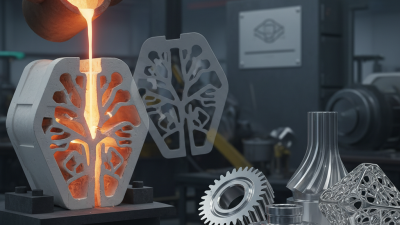
Investment casting, often called lost-wax casting, creates metal parts from a disposable wax pattern. The wax is coated with ceramic layers, dried, and melted away. Molten alloy then fills the ceramic shell, capturing fine ribs, holes, and curved surfaces.

This method is useful when machining alone would waste material or miss complex geometry. It supports stainless steel, nickel alloys, aluminum, and other engineering metals. According to a 2024 industry market report, the global investment casting market was valued at about 16.4 billion US dollars in 2023. It is projected to reach 22.7 billion dollars by 2028, representing a 6.7% compound annual growth rate. That growth reflects demand from aerospace, energy, medical equipment, and industrial machinery.

Precision is the main attraction. Depending on alloy and process control, parts can commonly achieve ISO 8062 casting grades around CT4 to CT7. Typical as-cast surface roughness may reach roughly Ra 1.6 to 3.2 micrometers. These figures are useful, but they are not promises. A poorly designed gate, uneven shell drying, or careless wax handling can cause porosity and distortion. I would not call investment casting flawless. Experienced suppliers inspect wax dimensions, shell strength, pouring temperature, and final geometry. Buyers should request inspection records, material certificates, and sample data before approving production. Small details matter.
Key Materials and Parts Made by Chinese Investment Casting Suppliers

China Top Investment Casting Parts Supplier?

Chinese investment casting suppliers now serve demanding markets with stainless steel, carbon steel, aluminum, titanium, and nickel-based alloys. The World Foundry Organization’s 2023 Census reported that China produced about half of global castings in 2022. This scale supports competitive tooling, fast material sourcing, and broad machining capacity.

Common investment cast parts include valve bodies, pump impellers, turbine components, pipe fittings, surgical instruments, and compact brackets. Stainless steel suits corrosion-prone equipment. Nickel alloys handle high heat. Aluminum reduces weight, but it may need stronger process controls.

A supplier should provide heat-lot records, chemical analysis, dimensional reports, and non-destructive testing results. ISO 9001 certification helps, but it does not replace a factory audit. This is where many sourcing plans remain too optimistic.

Tips: Request a sample before approving mass production. Check wax patterns, gate marks, wall thickness, and machining allowance. Review the supplier’s inspection method, not only the final inspection sheet. The Investment Casting Institute highlights process control as essential for repeatable accuracy. Still, reported tolerances can vary by geometry, alloy, and section thickness. Expect some adjustment after the first trial. That is normal, and worth documenting.

How to Evaluate a Top Investment Casting Parts Supplier in China

China Top Investment Casting Parts Supplier?

How to Evaluate a Top Investment Casting Parts Supplier in China

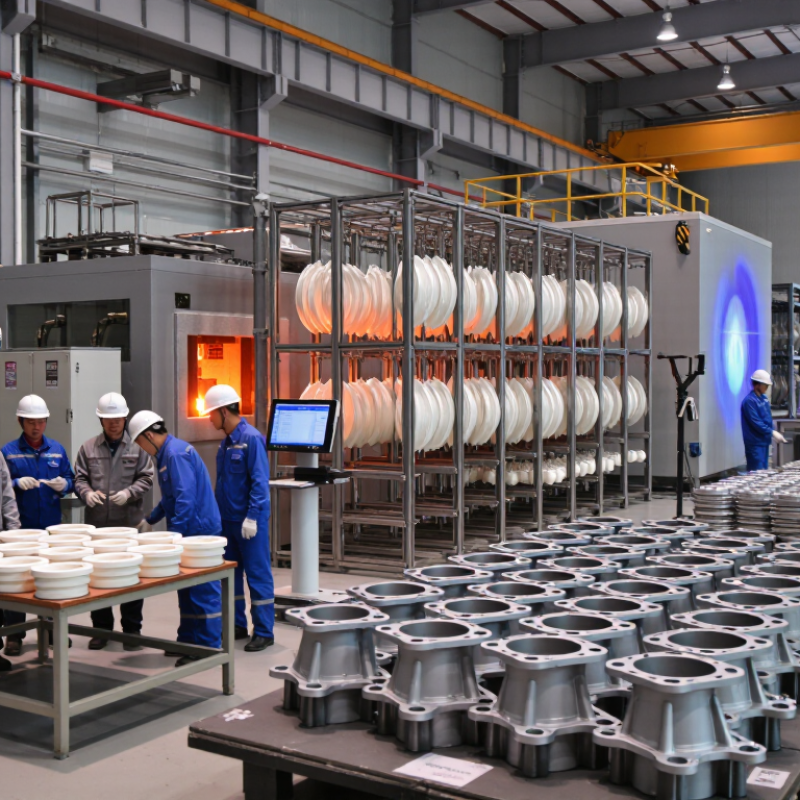
Evaluating an investment casting supplier requires more than checking price lists. Visit the facility when possible. Watch wax injection, ceramic shell building, heat treatment, and final inspection. A clean workshop matters, but process discipline matters more. Ask for equipment records, operator qualifications, and calibration certificates. The answers should be specific, not rehearsed.

Request sample parts made from the same alloy and process as your project. Review dimensional reports, surface finish results, chemical analysis, and mechanical test data. Check how the supplier controls shell thickness, casting temperature, and machining allowance. Traceability should connect each part to a material heat, production date, and inspection record. Small details reveal serious capability.

Do not trust impressive brochures alone. A polished audit folder proves little without production evidence. Speak with the quality engineer, not only the sales representative. Ask how they handle porosity, cracks, pattern distortion, and late delivery. Their response should include root-cause analysis and corrective action. I would also inspect rejected parts, although many buyers avoid this uncomfortable step. No supplier is perfect. A reliable one admits weaknesses and shows measurable improvement. Before approval, run a small pilot order and compare actual results with agreed drawings, tolerances, packaging, and delivery dates.

China Top Investment Casting Parts Supplier? - How to Evaluate a Top Investment Casting Parts Supplier in China

Evaluation Dimension Recommended Evidence or Benchmark Why It Matters Suggested Weight Assessment
Quality Management System Verify a current ISO 9001 certificate, documented inspection procedures, calibration records, internal audits, and corrective-action reports. A controlled quality system helps maintain consistent process performance and traceable corrective actions. 15% Essential
Casting Process Capability Review experience with wax pattern production, ceramic shell building, dewaxing, melting, pouring, heat treatment, finishing, and process documentation. Investment casting quality depends on control of the complete process chain, not only on the final inspection. 15% Essential
Material Control and Traceability Require heat-lot identification, incoming material records, chemical composition reports, and traceability from raw material to finished parts. Traceability supports material verification, failure analysis, and compliance with engineering specifications. 12% High Priority
Dimensional Inspection Check for calibrated coordinate measuring machines, gauges, optical equipment, inspection plans, and first-article inspection reports. Reliable dimensional inspection confirms that critical features meet drawing tolerances and functional requirements. 12% High Priority
Non-Destructive Testing Confirm access to appropriate methods such as visual testing, liquid penetrant testing, magnetic particle testing, radiographic testing, or ultrasonic testing. NDT can identify surface-breaking and internal discontinuities that may not be visible during ordinary dimensional inspection. 12% High Priority
Engineering and Tooling Support Evaluate mold-flow review, manufacturability feedback, shrinkage compensation, tooling control, design-for-casting recommendations, and drawing review. Early engineering involvement can reduce defects, tooling changes, production delays, and avoidable machining costs. 10% Important
Production Capacity and Lead Time Request a capacity plan covering tooling, sample approval, production quantities, heat treatment, finishing, inspection, and shipment schedules. A realistic capacity plan reduces the risk of bottlenecks and missed delivery commitments. 10% Important
Surface Finish and Secondary Operations Review capabilities for shot blasting, grinding, machining, polishing, passivation, coating, heat treatment, and final cleaning according to the specification. Post-casting operations directly influence fit, corrosion resistance, appearance, and final part performance. 8% Important
Sample Approval and Production Validation Use approved samples, a control plan, inspection results, process records, and clearly defined acceptance criteria before mass production. Formal validation creates a measurable reference for repeat production and change control. 8% Important
Commercial Transparency and Logistics Compare tooling charges, piece price, minimum order quantity, packaging, shipping terms, payment terms, warranty conditions, and response time. Transparent commercial terms make the total cost and supply risk easier to compare accurately. 5% Supporting
Environmental and Workplace Controls Review waste handling, emissions controls, worker safety procedures, energy management, and relevant environmental documentation. Responsible controls help reduce operational, regulatory, and supply-chain risks. 3% Supporting
Recommended Evaluation Framework Total 100% Score

Practical recommendation: request documentation, review representative samples, conduct a process audit when possible, and approve production only after the supplier meets the drawing, material, inspection, and delivery requirements.

China’s Investment Casting Process, Quality Control, and Certifications

China Top Investment Casting Parts Supplier?

For buyers comparing China’s investment casting parts suppliers, process discipline matters more than polished promises. Investment casting begins with a precise wax pattern, followed by ceramic shell building, dewaxing, pouring, and finishing. Tooling records and process parameters reveal practical experience. Engineers should monitor wax injection pressure, shell drying time, and alloy temperature. These details affect surface finish and dimensional stability. Defects still happen.

Quality control should follow each part through every production stage. Incoming alloy checks may include heat numbers and chemical composition. Operators can inspect shell condition and pouring records during production. After casting, visual inspection, dimensional checks, hardness testing, and tensile tests help confirm performance. Critical components may require radiographic, penetrant, or ultrasonic testing. A coordinate measuring machine verifies complex features. Measurement alone is not enough. Sampling plans must match risk, volume, and customer drawings.

Reliable documentation supports consistent supply. Buyers should review ISO 9001 certification, its current scope, calibration records, material certificates, and inspection reports. Full batch traceability is essential. Additional certifications should fit the industry and destination market, rather than decorate a quotation. Ask how nonconforming castings are isolated and corrected. Ask for corrective-action evidence. No foundry is flawless. Transparent investigation and root-cause control matter more than perfect claims. Before production approval, review sample parts, control plans, and realistic lead times.

China Investment Casting Process, Quality Control, and Certifications

The chart presents typical temperature windows used during key investment casting stages. Actual settings vary by wax formulation, alloy, shell system, part geometry, and applicable specifications. Quality systems commonly reference ISO 9001, while environmental, occupational safety, and automotive programs may reference ISO 14001, ISO 45001, and IATF 16949.

How to Request, Compare, and Manage a Custom Casting Order

China Top Investment Casting Parts Supplier?

Requesting a custom investment casting order starts with a complete technical brief. Send a 3D model, 2D drawing, alloy grade, annual quantity, and required tolerances. Include surface finish, heat treatment, inspection standards, and packaging details. Photos of the working environment can clarify difficult features. Your first drawing may not be perfect. That is normal. Ask the supplier to identify risks before production begins.

Compare quotations beyond the unit price. Check tooling charges, sample fees, machining costs, inspection fees, and delivery terms separately. A reliable supplier should explain casting allowances, dimensional limits, and rejection procedures clearly. Request material certificates, dimensional reports, and sample approval records. If possible, review similar production evidence without exposing confidential customer information. Cheap quotes can hide extra operations or weak process control. I have seen buyers focus on price and later discover that finishing changed the final dimensions.

Tips: Use one comparison sheet for every quotation. Confirm alloy chemistry before approving samples. Define who pays for rework. Set approval points for tooling, first articles, and final inspection. Keep written records of every change.

Manage the order with dated milestones. Track design review, wax tooling, first sample, heat treatment, machining, inspection, and shipment. Require progress photos for hidden stages when practical. Small changes should receive written approval. Even experienced teams miss details under pressure. Allow realistic time for sample corrections, especially with complex internal passages. A clear inspection plan protects both sides and makes future orders easier to repeat.