Best Stainless Steel Castings for Global Buyers in 2026?
In 2026, the global landscape of stainless steel castings is poised for significant evolution. Industry expert Dr. Emily Chen, a leading figure in materials engineering, believes that "the future of stainless steel castings lies in sustainable practices and innovative designs." This perspective highlights the growing demand for quality and environmental responsibility among buyers worldwide.
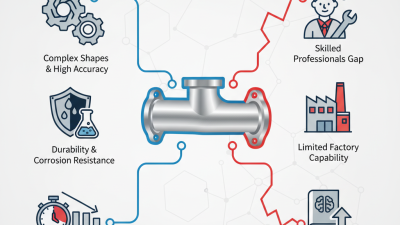
Stainless steel castings serve various industries, from automotive to aerospace. Their durability and corrosion resistance make them essential components. However, the market also faces challenges. Fluctuating raw material prices and environmental regulations may impact production costs and availability.
As we look forward, it is crucial for manufacturers to adapt to these changes. Embracing advanced technologies and sustainable processes will be vital. Yet, the industry must reflect on past practices to improve. Balancing quality and environmental stewardship will determine the success of stainless steel castings in the years ahead.
Emerging Trends in Stainless Steel Casting Industry for 2026
The stainless steel casting industry is expected to evolve significantly by 2026. Emerging trends indicate a growing demand for high-quality materials and innovative production techniques. A recent report by MarketWatch highlights that the global market for stainless steel castings is projected to reach USD 20 billion by 2026, with a CAGR of 5.2% from 2021 to 2026. This growth is largely driven by the rising need for durable and corrosion-resistant components in industries such as aerospace, automotive, and construction.
As we look ahead, sustainability will play a crucial role in shaping the industry. Manufacturers are increasingly adopting eco-friendly practices to reduce environmental impact. According to a study by Allied Market Research, around 30% of stainless steel production in 2026 will come from recycled materials, emphasizing resource efficiency. However, challenges remain, such as balancing cost efficiency with sustainable practices. Companies may need to rethink their sourcing and production strategies to meet both market demands and regulatory pressures.
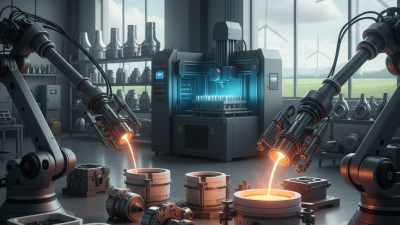
Technological advancements are pushing the boundaries of stainless steel casting. Automation and advanced manufacturing techniques are becoming essential. However, many firms still struggle to integrate these new technologies effectively. The learning curve can be steep. Embracing digital transformation will be critical for those looking to stay competitive. Adaptation to these changes requires investment and time, which can be daunting for smaller players. Addressing these challenges will determine the industry's future as it gears up for 2026.
Emerging Trends in Stainless Steel Casting Industry for 2026
Top Manufacturers of Stainless Steel Castings Around the Globe
The market for stainless steel castings is evolving rapidly in 2026. Various manufacturers are adapting to changing demands worldwide. These castings serve numerous industries, from automotive to aerospace. Understanding the key players in this sector is crucial for buyers seeking reliability and quality.
Several top manufacturers have established a strong reputation. Their expertise ranges from precision casting to mass production. Experience in these processes leads to superior products that meet stringent industry standards. However, not all manufacturers can maintain this level of quality consistently. Some may falter under pressure, leading to defects or delays. Buyers must research and identify those suppliers who prioritize quality and reliability over rushed production.
Selecting the right manufacturer can be challenging. You need to evaluate their capabilities, past projects, and customer feedback. This can be time-consuming but pays off in the long run. Being informed about market players and their practices will lead to better purchasing decisions. The stainless steel casting industry will continue to grow, making knowledgeable choices even more vital.
Best Stainless Steel Castings for Global Buyers in 2026
| Manufacturer Location |
Annual Production (Tons) |
Market Share (%) |
Standard Compliance |
Export Regions |
| North America |
15000 |
25 |
ISO 9001 |
Europe, Asia |
| Europe |
12000 |
20 |
ASME |
North America, Asia |
| Asia |
25000 |
40 |
ISO 14001 |
Global |
| South America |
8000 |
15 |
ISO 9001 |
North America, Europe |
| Africa |
5000 |
5 |
ISO 45001 |
Asia, Europe |
Key Specifications and Standards for Quality Stainless Steel Castings
In 2026, the demand for quality stainless steel castings will continue to rise. Companies must adhere to key specifications to ensure quality. Common standards include ASTM A 351, which outlines the chemical and physical properties necessary for ductile iron. According to recent industry reports, over 70% of buyers prioritize compliance with these standards.
Quality control is vital. Conducting regular inspections can prevent defects that lead to decreased performance. A shift towards automated testing methods is gaining traction. These methods improve accuracy and efficiency, ensuring that parts meet strict requirements.
Tips: Always check for compliance with established standards. Look for certifications as proof. Regular training for staff on quality standards can enhance production reliability. Remember, even minor flaws can cause significant issues down the line. Addressing potential weaknesses in processes is crucial for maintaining high standards in manufacturing practices.
Applications of Stainless Steel Castings in Various Industries
Stainless steel castings are vital in multiple industries due to their strength and resistance to corrosion. According to the U.S. Geological Survey, the demand for stainless steel products is expected to rise significantly by 2026, especially in aerospace and automotive sectors. These industries require materials that can withstand extreme conditions. Cast stainless steel components, like engine parts and structural supports, are increasingly favored for their durability.
In construction, stainless steel castings are used in infrastructure projects, offering both aesthetic appeal and functionality. The market for stainless steel castings is projected to grow by 5.7% annually, as reported by industry analysts. However, challenges remain in recycling and sustainability. Many castings are not easily recyclable, which adds environmental strain.
Moreover, the healthcare sector relies heavily on stainless steel for medical equipment and implants. Its hygienic qualities make it a preferred choice. Despite these advantages, the high costs and complex manufacturing processes can limit access for smaller operators. The need for innovation in production methods is critical for wider adoption.
Sustainable Practices in Stainless Steel Casting Production for 2026
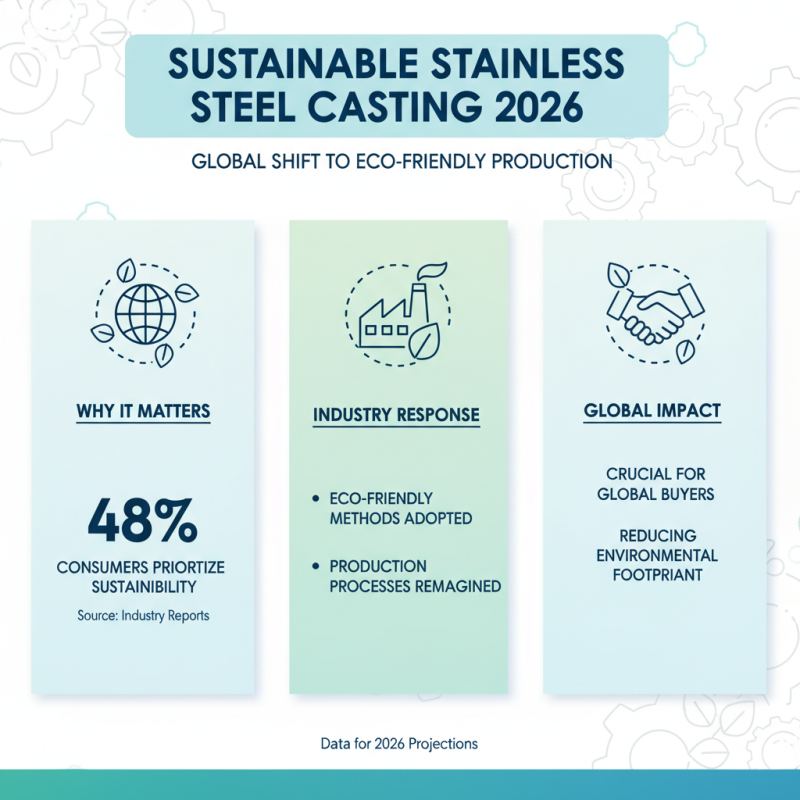
Sustainable practices in stainless steel casting are crucial for global buyers in 2026. The industry's shift toward eco-friendly methods reflects growing environmental concerns. Reports indicate that around 48% of consumers prioritize sustainability when choosing products. This trend compels manufacturers to rethink production processes.
The use of recycled stainless steel in casting can reduce the carbon footprint significantly. Research shows that using recycled materials can cut energy consumption by up to 30%. However, challenges remain in sourcing high-quality recycled steel. Not all scrap metal meets stringent quality standards. Hence, industry players must focus on improving collection and recycling systems.
Tips for buyers include evaluating suppliers' sustainability practices. Look for certifications that indicate responsible sourcing and production. It’s wise to ask for transparency in the supply chain. Consider supporting innovations, like carbon capture technologies, which enhance eco-efficiency. Keep in mind, not every solution will work universally. Continuous improvement and adaptation are required as the landscape evolves.