2026 Best Investment Casting Techniques for Global Buyers?
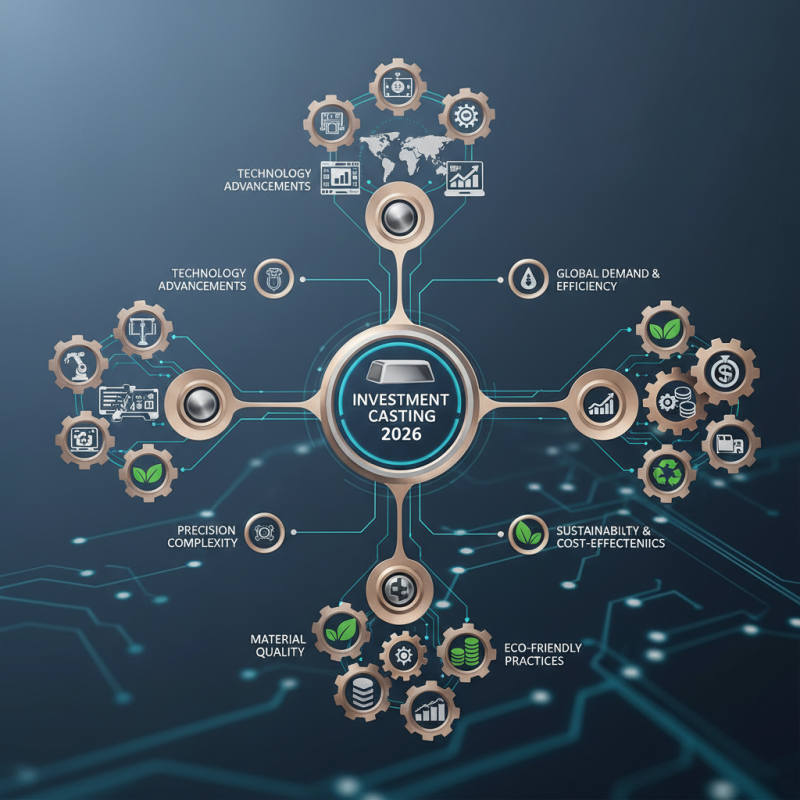
Investment casting has become a critical process in modern manufacturing. It offers precision and flexibility for creating complex metal parts. As global demand increases, understanding the best techniques for investment casting is essential for buyers.
The year 2026 presents unique opportunities and challenges. Advances in technology enhance casting efficiency. However, issues like material quality and cost-effectiveness remain. Buyers must navigate these factors carefully to make informed decisions.
Moreover, sustainability is becoming a priority. The need for eco-friendly practices in investment casting cannot be overlooked. Buyers should consider environmentally responsible methods to stay competitive. This combination of innovation and responsibility will define the best investment casting techniques in the years to come.
Understanding Investment Casting: A Comprehensive Overview
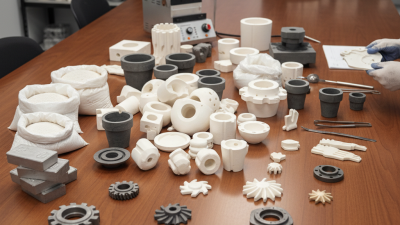
Investment casting is a precise manufacturing process. It involves creating intricate metal parts. A wax pattern is covered with a refractory material. Once it hardens, heat removes the wax. This leaves a mold for molten metal.
Understanding investment casting requires expertise. The process demands attention to detail. Temperature control is vital. A slight variation can lead to defects. Some castings may show imperfections. These can affect the final product.
Global buyers must consider quality and reliability. Not all investment casting techniques yield the same results. Researching suppliers is essential for success. Familiarity with the process helps avoid costly mistakes. It's worth noting that not every supplier meets high standards. Engage with knowledgeable professionals for guidance. This effort pays off in high-quality outcomes.
Global Market Analysis: Demand for Investment Casting Techniques
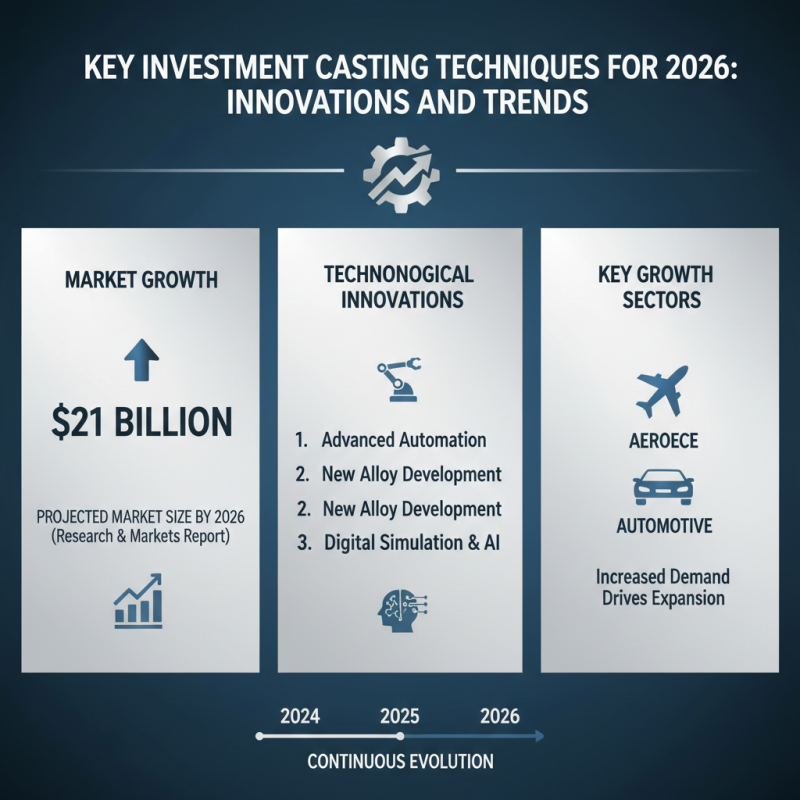
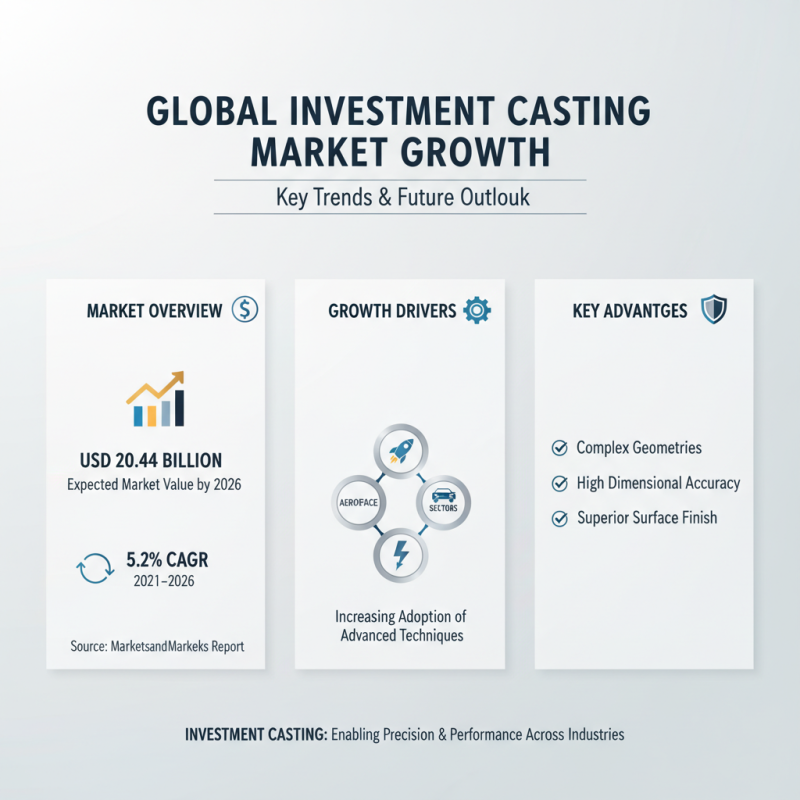
The investment casting market is witnessing significant growth, driven by various industries' demands. According to a recent MarketsandMarkets report, the investment casting market is expected to reach USD 20.44 billion by 2026, with a compound annual growth rate (CAGR) of 5.2%. This growth reflects the increasing adoption of investment casting techniques in aerospace, automotive, and energy sectors.
As manufacturers seek precision and efficiency, the demand for advanced casting techniques rises. A study by Grand View Research highlights that the aerospace sector alone will account for over 35% of the investment casting market by 2026. This sector values high durability and strength, making investment casting methods appealing. These processes enable the production of complex geometries that meet stringent specifications, ensuring reliability and performance.
However, the industry faces challenges. Technological limitations and high material costs can hinder investment casting adoption. Additionally, fluctuating raw material prices create uncertainty. As companies navigate these obstacles, ongoing research and development efforts must address these issues. Continuous innovation is vital to enhance process efficiency and reduce costs, fostering broader industry acceptance.
Selecting the Right Investment Casting Method for Your Needs
When choosing the right investment casting method, understanding your specific needs is crucial. Different techniques offer various advantages. Some methods excel in precision, while others are more cost-effective. Assessing your project requirements can narrow down options significantly.
For example, if intricate designs are essential, you'll want a process that can capture fine details. Techniques like ceramic shell casting may serve this purpose well. However, they can be expensive and time-consuming. On the other hand, some methods prioritize speed and efficiency, which might be beneficial for larger production runs. It's important to weigh these factors.
Don’t overlook the potential drawbacks. Certain methods may not yield the desired surface finish. If aesthetics matter for your product, consider this carefully. Take time to gather feedback from industry experts, as their experience can guide your decision. This reflective process is important for achieving the best outcome.
2026 Best Investment Casting Techniques for Global Buyers
This chart represents the popularity ratings of various investment casting techniques among global buyers in 2026. Investment casting stands out with the highest rating, indicating its preferred status in the industry.
Sustainability in Investment Casting: Best Practices for Global Buyers
Sustainability is becoming a crucial factor in investment casting. Many global buyers seek eco-friendly practices. By adopting sustainable techniques, companies can reduce waste. This has become a priority in manufacturing. Utilizing recycled materials is a strong step forward. It not only lowers costs but also minimizes environmental impact.
Tips: Consider sourcing materials locally. This can significantly cut transportation emissions. Also, assess energy usage in the casting process. Renewable energy options can greatly enhance sustainability.
Continuous improvement is vital in this domain. Many companies struggle with implementing eco-friendly practices. Some rely too heavily on traditional methods. This can hinder progress toward sustainability. It’s essential to set clear goals and monitor progress regularly. Engaging with suppliers on sustainable initiatives can also provide fresh insights.