Top 5 Benefits of Tin Bronze Precision Casting for Global Buyers?
In today’s competitive manufacturing landscape, the choice of materials and methods can greatly influence product quality. Tin Bronze Precision Casting stands out as a preferred technique for many industries. It combines the advantages of tin bronze’s durability and strength with the precision of casting methods. This synergy results in parts that are resilient and well-defined, making it an ideal choice for global buyers.
Selecting Tin Bronze Precision Casting offers substantial benefits. First, the casting process allows for complex shapes that traditional machining might not achieve. Additionally, the corrosion resistance of tin bronze enhances the longevity of the cast parts. Quality control plays a vital role. Reliable suppliers ensure that each piece meets stringent standards, providing peace of mind to buyers.
While the benefits are clear, challenges exist. Not all manufacturers are equipped with the same expertise in Tin Bronze Precision Casting. This can lead to variability in product quality. Buyers must conduct thorough research to find experienced and reputable suppliers. Investing time in understanding these intricacies can lead to better decision-making and superior products in the long run.
Overview of Tin Bronze Precision Casting
Tin bronze precision casting has emerged as a vital manufacturing process for various industries worldwide. This method combines tin with copper, creating a corrosion-resistant alloy that offers excellent strength and durability. According to a 2022 market analysis, the tin bronze market is projected to grow by 5.2% annually, particularly driven by the demand in marine applications. This growth is partly due to the material's resistance to seawater and its non-magnetic properties.
Moreover, precision casting allows for intricate designs and high tolerances. This capability is crucial in sectors such as automotive and aerospace, where precision is non-negotiable. A 2021 report from an industry expert noted that 80% of manufacturers believe that precision casting enhances the overall material yield and reduces waste. However, achieving the utmost precision often requires advanced technology and skilled labor, which can result in higher initial costs.
Additionally, the lifecycle impact of tin bronze should be considered. While the material is praised for its longevity, the mining and processing of copper and tin can pose environmental challenges. Prospective buyers must weigh these factors against the benefits of using tin bronze in their projects. Decisions made today can influence sustainability goals for future generations, adding another layer of responsibility to sourcing materials correctly.
Key Advantages for Global Buyers
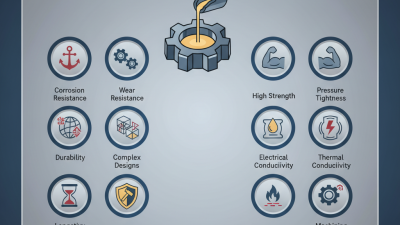
Tin bronze precision casting offers several key advantages for global buyers. This material is renowned for its mechanical strength and corrosion resistance. Components made from tin bronze are ideal for harsh environments. Industries such as marine and aerospace rely on these properties. The casting process allows for intricate designs that traditional methods might struggle to achieve.
Cost efficiency is another significant benefit. Tin bronze can reduce the need for extensive machining due to its precise casting capabilities. This not only saves time but also minimizes material waste. Buyers appreciate the value of lower production costs while maintaining high quality. The durability of tin bronze products means less frequent replacements. Long-term investments in these components show promising returns.
Despite the advantages, buyers must evaluate their specific needs. The availability of tin bronze can fluctuate, impacting supply chains. Understanding market trends is crucial for making informed decisions. Balancing cost and quality may require careful thought. Every buyer's experience can vary, highlighting the importance of thorough research and reliable suppliers.
Cost-Effectiveness in Manufacturing
Tin bronze precision casting offers significant cost-effectiveness for manufacturers. This method efficiently uses materials, reducing waste and ensuring high yields. With its unique properties, tin bronze can withstand corrosion and temperature variations, making it suitable for various applications. Manufacturers can save on production costs and maintenance expenses.
The production process is highly streamlined. Automated casting techniques enhance precision and consistency. The quick turnaround times mean buyers receive their products faster. However, the initial setup costs can be higher than traditional casting. This might discourage some manufacturers, but the long-term savings are worth considering.
Investing in tin bronze casting reflects a commitment to quality and durability. While many might overlook it, the lower lifecycle costs deserve attention. Regular evaluations of casting methods can reveal areas for improvement, ensuring optimal performance and cost savings. Embracing this innovation could reshape manufacturing practices for better efficiency.
Durability and Corrosion Resistance of Tin Bronze
Tin bronze is widely recognized for its exceptional durability and corrosion resistance. These properties make it a popular choice in precision casting for various applications, particularly in marine and industrial environments. The alloy’s unique composition provides a robust barrier against the elements, ensuring long-lasting performance even in harsh conditions. Users often find that tin bronze parts maintain their structural integrity over time, leading to reduced maintenance costs.
Corrosion resistance is another significant advantage. Tin bronze naturally resists oxidation, which protects it from rust and other corrosive factors. This characteristic is crucial for components exposed to water or extreme humidity. Buyers appreciate that they can rely on tin bronze castings to perform without frequent replacements. However, it is essential to evaluate the specific application requirements. Sometimes, the initial investment in high-quality materials may seem daunting, but the long-term benefits often outweigh the initial costs.
Although tin bronze is highly regarded, it’s not always perfect. Some users have noted issues with machinability compared to other alloys. This can lead to increased production times. Nonetheless, the benefits of durability and resistance to wear often compensate for these challenges. With careful consideration and expert guidance, many organizations find success in using tin bronze for their precision casting needs.
Applications Across Various Industries
Tin bronze precision casting serves as a vital resource across various industries. Its strength and durability make it ideal for applications in marine environments. Components like propellers and shafts benefit from its resistance to corrosion and stress. This ensures longevity and reliability in harsh conditions.
In the automotive sector, tin bronze is valued for its wear resistance. It is commonly used for engine parts and bearings. These components require materials that can endure high pressure and heat. Tin bronze's unique properties meet these demands effectively. However, the casting process can be complex and may require careful monitoring to ensure quality.
Other applications extend into electronics and telecommunications. Connectors and terminals made from tin bronze provide excellent conductivity. This is crucial for the efficient performance of electronic devices. Yet, the balance between conductivity and mechanical strength can sometimes present challenges. Producers must remain vigilant to ensure product integrity while optimizing these qualities for different applications.