What are the Benefits of Stainless Steel Precision Casting?
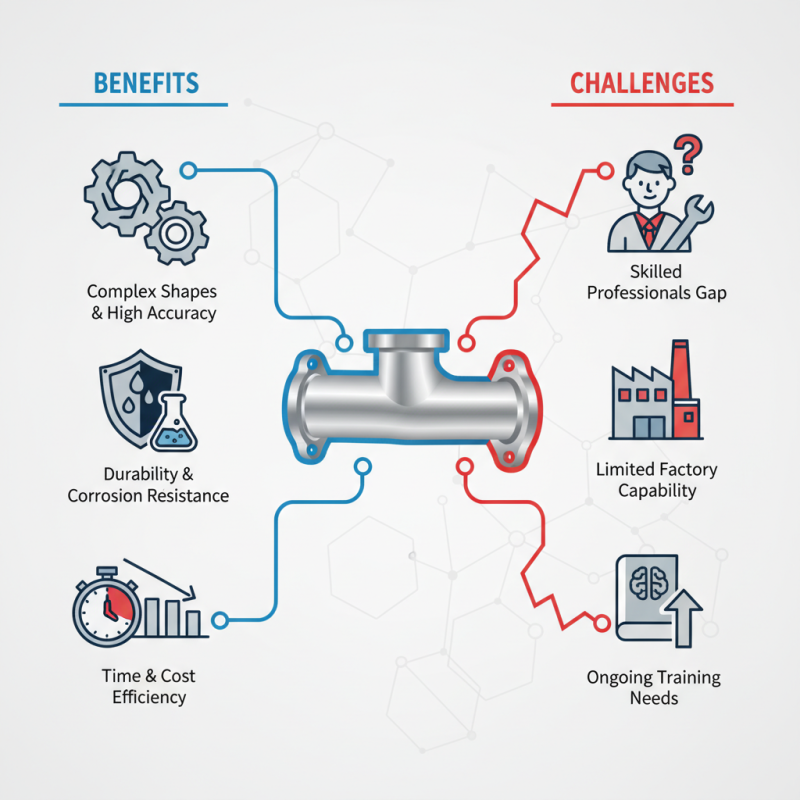
Stainless Steel Precision Casting is a remarkable process. It allows for the creation of complex shapes with high accuracy. This method stands out in the manufacturing sector. It provides durability and resistance to corrosion. These qualities make stainless steel ideal for various applications. Common uses include automotive parts, medical devices, and industrial machinery.
The precision of this casting method saves time and resources. Manufacturers can produce components more efficiently. This efficiency can lead to reduced production costs. However, challenges remain in finding skilled professionals. Not all factories have the capability to perform this technique. Ongoing training is vital in this evolving field.
Overall, the benefits of Stainless Steel Precision Casting are clear. It offers strength and precision, along with cost-effectiveness. Yet, it's important to continually address the skills gap. Industry leaders must invest in training to maintain these advantages. Ultimately, the future of this process is promising, but growth hinges on overcoming existing challenges.
Advantages of Stainless Steel in Precision Casting Techniques
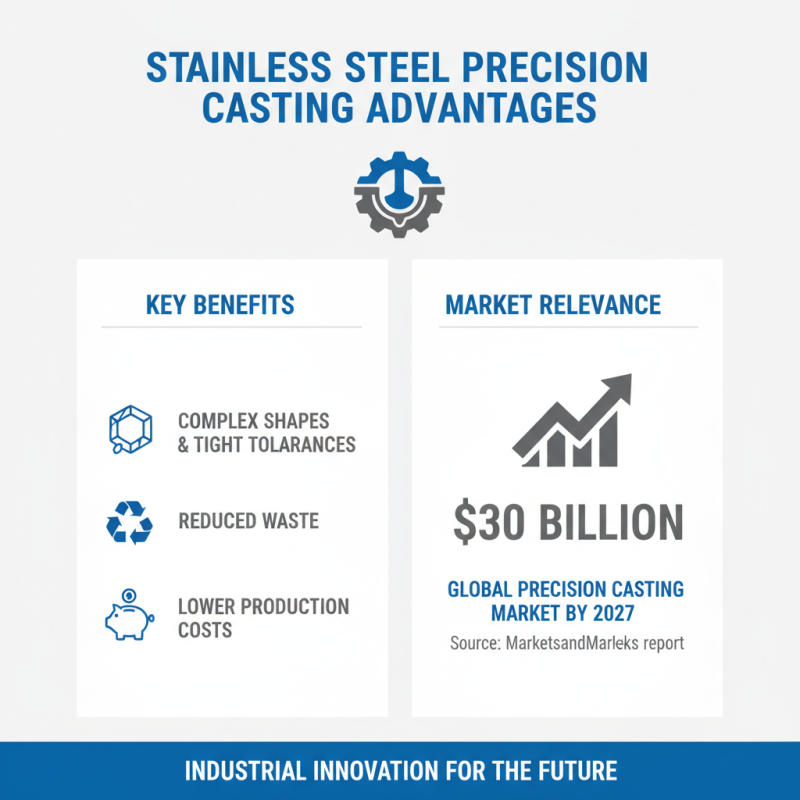
Stainless steel precision casting offers distinct advantages that set it apart from other materials. The casting process allows for complex shapes and tight tolerances. This versatility leads to reduced waste and lower production costs. According to a report by MarketsandMarkets, the global precision casting market is expected to reach $30 billion by 2027, highlighting its industrial relevance.
One significant benefit of stainless steel is its resistance to corrosion. Stainless steel can withstand harsh environments, making it ideal for various applications. Industries such as aerospace and medical devices frequently rely on this strength. A 2021 study noted that parts made from stainless steel have a lifespan up to 12 times longer than those made from carbon steel in corrosive conditions.
Despite these advantages, challenges remain in stainless steel precision casting. The alloying elements can complicate the casting process, resulting in defects like porosity. Manufacturers often need to spend extra time refining their procedures. Balancing cost with quality remains a continuous concern. Finding skilled workers who understand these complexities can also be a hurdle for the industry.
High Corrosion Resistance of Stainless Steel Components
Stainless steel is renowned for its high corrosion resistance, making it a preferred choice in various industries. According to recent reports, corrosion can lead to significant maintenance costs, estimated at over $300 billion annually in the U.S. alone. This highlights the importance of using materials that can withstand harsh environments. Stainless steel components, with their chromium content, form a protective layer that prevents rust and degradation.
When selecting materials for critical applications, consider the long-term benefits of stainless steel precision casting. Its durability allows for reduced replacements and lower operational costs. Many industries benefit from its properties, such as food processing, marine, and aerospace. However, designers should carefully assess the specific grades of stainless steel. Each grade offers different resistance to chemicals and environments.
Tips: Always consult corrosion data sheets during material selection. Many resources are available that provide insights on various stainless steel grades. Keep in mind that while stainless steel is highly resistant, it is not immune. Regular inspections are advisable to ensure performance. A proactive approach could prevent unexpected replacements due to corrosion failures.
Improved Dimensional Accuracy in Stainless Steel Castings
Stainless steel precision casting offers significant benefits, particularly in achieving improved dimensional accuracy. This process allows for complex shapes and intricate designs to be realized with high precision. Each cast can closely match the intended specifications, reducing the need for extensive post-processing work. This increases overall efficiency during production.
The unique properties of stainless steel contribute to better dimensional fidelity. It maintains stability during cooling, which minimizes warping or shrinkage. For many manufacturers, this means fewer rejects and lower costs associated with rework. However, not every steel casting achieves perfect accuracy. Variations in material and methods can lead to fluctuations, reminding us of the importance of quality control.
Moreover, improved dimensional accuracy enhances the fit and functionality of cast products. Components designed for assembly will align better. This results in fewer issues during installation and use. Yet, achieving this level of accuracy can be challenging. Continuous monitoring and adjustment are crucial to minimize errors. Understanding these limitations leads to better practices in casting technology.
Benefits of Stainless Steel Precision Casting
Cost-Effectiveness of Stainless Steel Precision Casting over Time
Stainless steel precision casting offers significant long-term cost advantages. According to recent industry reports, the initial investment can seem high. However, various studies indicate that the lifecycle cost often favors this method. The durability and resistance to corrosion of stainless steel means less frequent replacements. In some sectors, this durability can boost savings by up to 30% over a decade.
The efficiency of stainless steel precision casting also contributes to cost-effectiveness. Reports show that this process reduces material waste by up to 60%. While some may worry about upfront expenses, the long-term benefits outweigh short-term costs. Companies often overlook the extended maintenance intervals that result from using these castings. Reducing downtime is critical in manufacturing, and precision cast parts help achieve that.
A challenge in this area is sourcing quality materials at competitive prices. Not all suppliers maintain the same standards, leading to inconsistencies. Poor-quality castings can lead to failures that incur further costs, impacting overall savings. Evaluating potential suppliers is crucial to avoid these pitfalls. Investing in quality can lead to sustainable and significant savings over time.
What are the Benefits of Stainless Steel Precision Casting? - Cost-Effectiveness of Stainless Steel Precision Casting over Time
| Aspect |
Details |
Cost-Effectiveness |
| Material Durability |
Stainless steel's resistance to corrosion and wear extends lifespan |
Reduced need for replacements |
| Production Efficiency |
Precision casting allows for near-net shape production |
Lower material waste leading to cost savings |
| Maintenance |
Minimal upkeep due to corrosion resistance |
Long-term savings on maintenance costs |
| Design Flexibility |
Ability to create complex shapes |
Reduced assembly costs and time |
| Thermal Stability |
High resistance to temperature fluctuations |
Lower risk of product failure or downtime |
Versatility of Stainless Steel Applications in Various Industries
Stainless steel precision casting is highly versatile. It has applications in many sectors including automotive, aerospace, and medical industries. Each of these fields requires high-quality parts that can withstand harsh conditions. Stainless steel’s durability and resistance to corrosion make it a preferred choice.
In the automotive industry, stainless steel parts are essential. They provide both strength and lightweight properties. Components like exhaust systems benefit from precision casting. This process helps achieve intricate designs while maintaining structural integrity.
**Tip:** Always consider the environment where the part will be used. Corrosive environments can impact longevity.
The aerospace sector relies on stainless steel for critical components. Engine parts must endure extreme temperatures and pressures. Here, precision casting shines, allowing for aerodynamic shapes that minimize weight.
**Tip:** Evaluate the casting techniques used. Different methods can affect the final quality.
In the medical field, precision is vital. Stainless steel tools and implants must meet strict standards. The ability to create complex geometries with stainless steel is crucial. However, ensuring that these tools are properly finished is often overlooked.
Remember to assess the final applications. Small imperfections can lead to significant issues. When it comes to precision casting, attention to detail is non-negotiable.