2026 Top Steel Investment Casting Trends for Global Buyers?
As the manufacturing landscape evolves, Steel Investment Casting remains pivotal in various industries. In 2026, global buyers are paying increased attention to emerging trends. These trends reflect not only technological advancements but also shifts in consumer preferences.
The demand for lightweight yet durable components is rising. Buyers seek precision and efficiency in their procurement processes. This year's insights suggest a growing interest in sustainable practices. Eco-friendly materials and methods are crucial for future operations. Companies are under pressure to innovate.
Supporting these trends requires adaptability and foresight. Suppliers must enhance their capabilities to match buyer expectations. Ongoing training and investment in technology are essential. Engaging with suppliers about their production techniques and sustainability initiatives can be beneficial. The dynamic nature of Steel Investment Casting invites deeper exploration into its future at every level.
Emerging Technologies in Steel Investment Casting for 2026
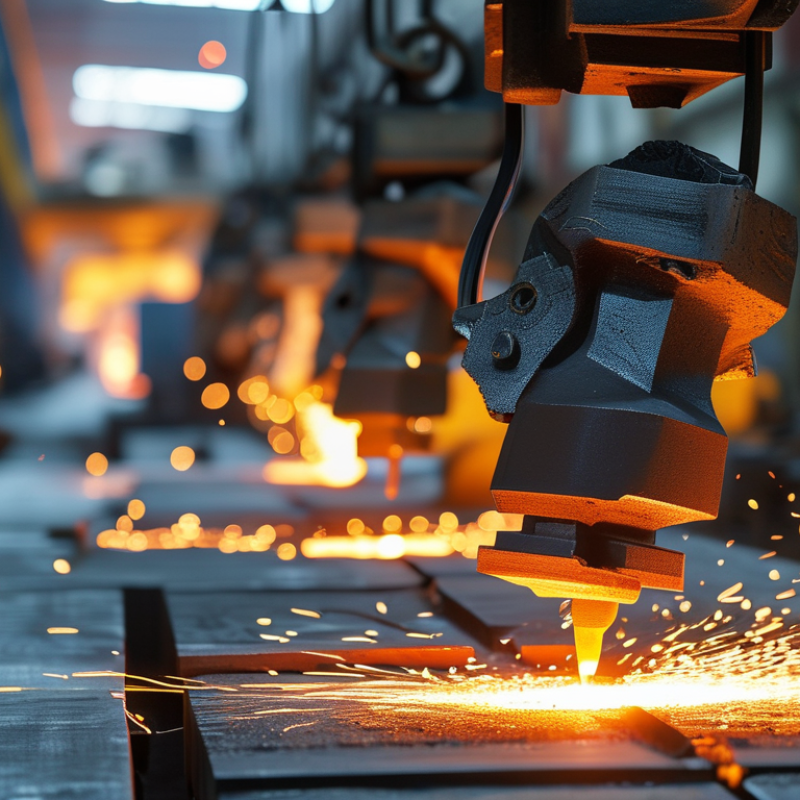
Emerging technologies are shaping the landscape of steel investment casting in 2026. Innovations in materials and production processes will enhance efficiency and quality. One notable trend is the use of advanced alloys that improve the casting's mechanical properties. Manufacturers are experimenting with new compositions, leading to stronger and lighter components. These developments promise significant benefits in both performance and cost-effectiveness.
3D printing technology is increasingly integrated into investment casting. It enables rapid prototyping and reduces lead times. This approach allows for complex geometries that traditional methods struggle to achieve. However, challenges remain in scaling this technology for large-scale production. Buyers should stay informed about these advancements to avoid potential pitfalls in their projects.
When evaluating suppliers, consider their experience with these new technologies. Ask about their capabilities in adopting and implementing innovations. Understanding their approach to quality control is crucial. This ensures that the products meet your precise requirements, given the rapidly changing market. Keeping an eye on these trends will empower buyers with knowledge and position them favorably for the future.
Sustainability Trends in Steel Investment Casting Practices
The steel investment casting industry is on the cusp of change, focusing heavily on sustainability. According to recent industry reports, over 60% of steel foundries are now implementing eco-friendly practices. These practices range from sourcing recycled materials to adopting energy-efficient technologies. The shift is not just beneficial for the planet; it can lead to significant cost savings in the long run.
Sustainable practices in steel investment casting include waste reduction and emissions control. The Global Steel Sustainability Report highlighted that the sector aims to reduce carbon emissions by 25% by 2030. Additionally, companies are exploring methods to minimize water usage during production, an issue often overlooked in traditional practices. Despite progress, challenges remain in balancing quality and sustainability.
Innovation plays a critical role in this transformation. Advanced technologies such as AI and IoT are being utilized to enhance production efficiency. However, the industry often grapples with the hefty initial investment required for such technologies. As stakeholders navigate these complexities, the journey towards sustainability in steel investment casting continues to evolve, reflecting a growing commitment to environmental responsibility and economic viability.
Market Insights: Global Demand for Steel Investment Cast Products
The global demand for steel investment cast products is on the rise. This increase is influenced by various sectors, including automotive, aerospace, and industrial applications. As industries seek durable and intricate parts, investment casting offers precise dimensions and superior surface finishes. Manufacturers are adapting their processes to meet these rising demands.
In 2026, sustainability becomes a priority for buyers. Manufacturers may explore recycled steel to reduce environmental impact. However, sourcing quality recycled materials remains a challenge. Companies must balance cost and quality while addressing sustainability concerns. Moreover, advances in technology can enhance the overall casting process, yet integrating these technologies may require significant investment and training.
The competition in the steel investment casting market will likely intensify. As more players enter the field, maintaining quality and reliability will be crucial. Emerging markets could shift demand patterns, impacting global supply chains. Buyers should remain vigilant about market trends and adapt strategies accordingly. Addressing these complexities may lead to better decision-making in sourcing steel investment cast products.
2026 Top Steel Investment Casting Trends for Global Buyers
| Trend |
Description |
Expected Impact |
Market Region |
Growth Rate (%) |
| Sustainability Focus |
Increased use of recycled materials in casting processes. |
Positive impact on reducing carbon footprint. |
Global |
7.5% |
| Technological Advancements |
Adoption of AI and automation in production. |
Increased efficiency and reduced costs. |
North America |
8.2% |
| Customized Solutions |
Growing demand for tailored casting products to meet specific needs. |
Enhances customer satisfaction and loyalty. |
Asia Pacific |
9.0% |
| Digitalization |
Integration of digital platforms for supply chain management. |
Streamlining operations and improving transparency. |
Europe |
10.1% |
| Enhanced Quality Control |
Implementation of rigorous testing protocols and standards. |
Reduces defects and enhances product reliability. |
Global |
6.8% |
Competitive Landscape: Key Players in the Steel Investment Casting Industry
The steel investment casting industry is evolving rapidly. As global buyers consider their options, understanding the competitive landscape becomes vital. Key players are focusing on innovation, quality, and cost-effectiveness. Many companies are investing in advanced technologies to enhance production processes. This is crucial as the demand for precision components rises.
Buyers should assess supplier capabilities. Look for partners who demonstrate expertise and have a proven track record. Check their certifications and standards compliance. Evaluating their customer service is also essential. Reliable communication can make or break a deal. Some companies may offer attractive pricing but lack quality assurance.
When navigating this market, it’s wise to keep an eye on industry trends. Emerging technologies, like 3D printing, are transforming the fabrication process. This can lead to significant improvements in lead times and customization options. However, buyers must remain cautious. Rapid advancements can mean more unreliable options appear. Conduct thorough research before committing to any new technology or supplier.
Innovation in Materials and Processes for Investment Casting in Steel
The landscape of steel investment casting is evolving. Innovations in materials are at the forefront. Advanced alloys and composites are becoming popular. These materials offer improved strength and heat resistance.
New processes are enhancing efficiency in investment casting. Techniques like 3D printing are revolutionizing mold creation. They allow for complex geometries that traditional methods struggle with. Additionally, automation in casting leads to higher precision. This shift can significantly reduce waste.
Though these advancements show promise, challenges remain. Not every facility adapts easily to new technologies. Training staff and updating systems can be hurdles. Buyers must weigh the benefits against potential disruptions. While innovation is key, a careful approach is essential.
2026 Top Steel Investment Casting Trends